
Heatwaves can affect anyone, but certain groups face a higher risk of serious health problems. Experts advise that older adults, babies, and young children take extra care when temperatures soar. Understanding how your body responds to heat is the first step in staying safe.
What Does Extreme Heat Do to Our Bodies?
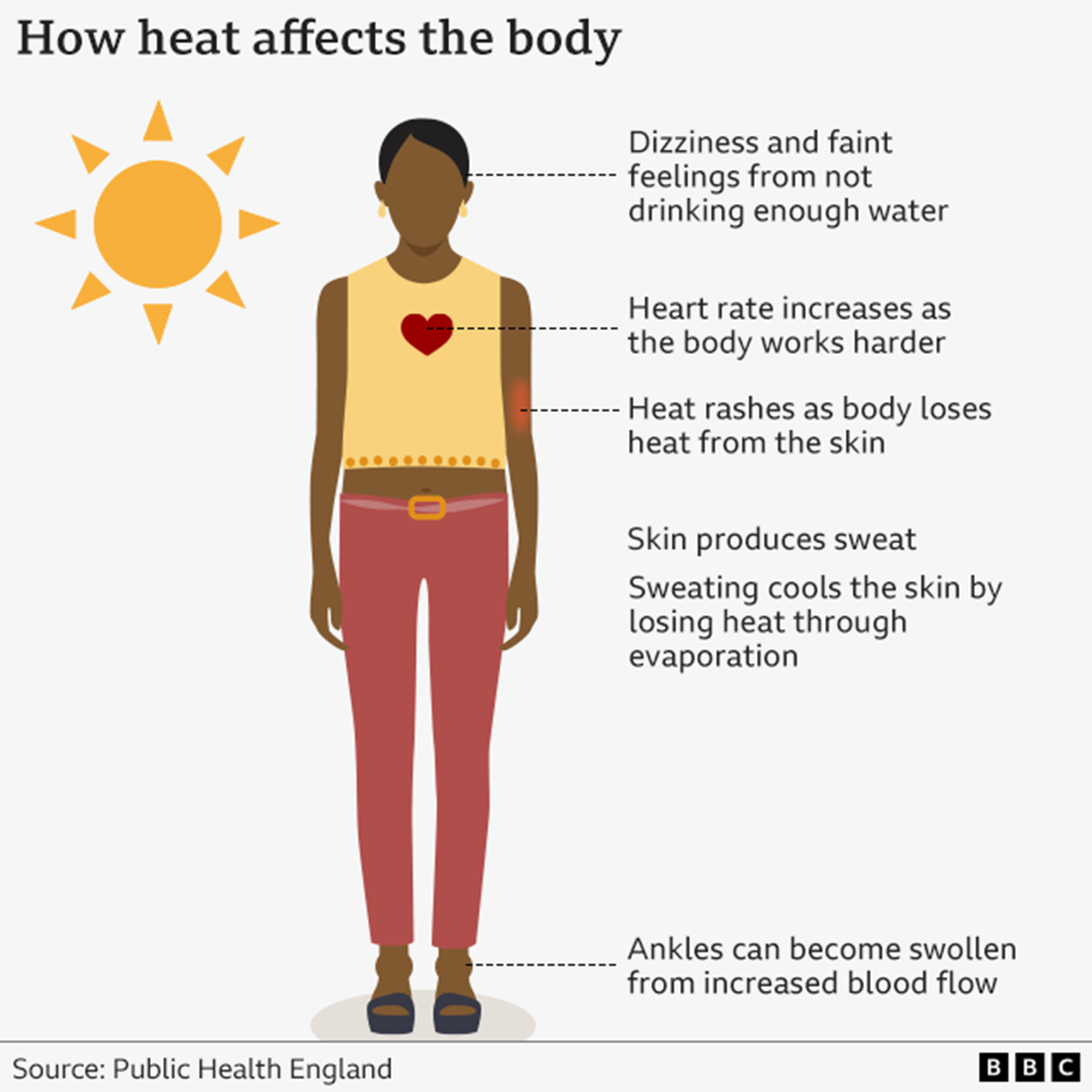
When your body gets too hot, blood vessels near the skin widen. This helps release heat but also lowers blood pressure, forcing your heart to work harder to pump blood around your body. This added strain can lead to mild issues like an itchy heat rash or swollen feet.
Sweating is another key response. As sweat evaporates, it cools you down, but it also causes you to lose fluids and salt. This loss disrupts the delicate balance of water and electrolytes in your body, which can trigger heat exhaustion.
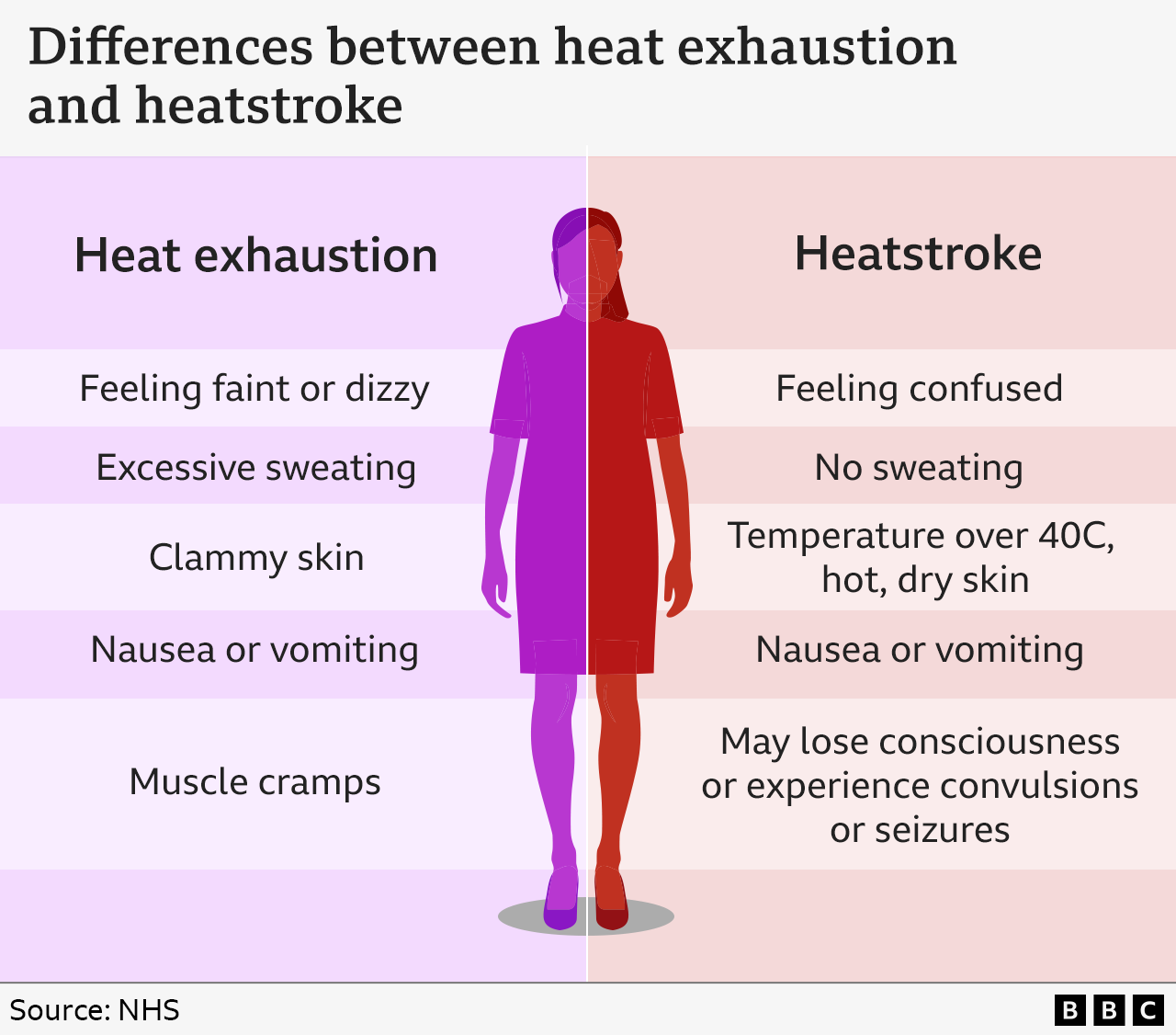
Symptoms of heat exhaustion include:
- Dizziness or light-headedness
- Nausea
- Fainting
- Confusion
- Muscle cramps
- Headaches
- Heavy sweating
- Tiredness or weakness
If blood pressure drops too low, the risk of heart attacks increases, especially for those with underlying heart conditions.
Why Do Bodies React This Way to Heat?
Your body works hard to maintain a core temperature of about 37°C, whether you’re in a snowstorm or a heatwave. This is the temperature at which your body’s systems function optimally. But when the weather gets hotter, keeping that internal thermostat steady becomes more challenging.
To cool down, your body opens more blood vessels near the skin’s surface to release heat into the air. It also triggers sweating. As sweat evaporates from your skin, it carries away significant amounts of heat, helping you cool off. However, this process only works if you stay hydrated and replace the fluids and salts lost through perspiration.
How Can I Stay Safe in the Heat?
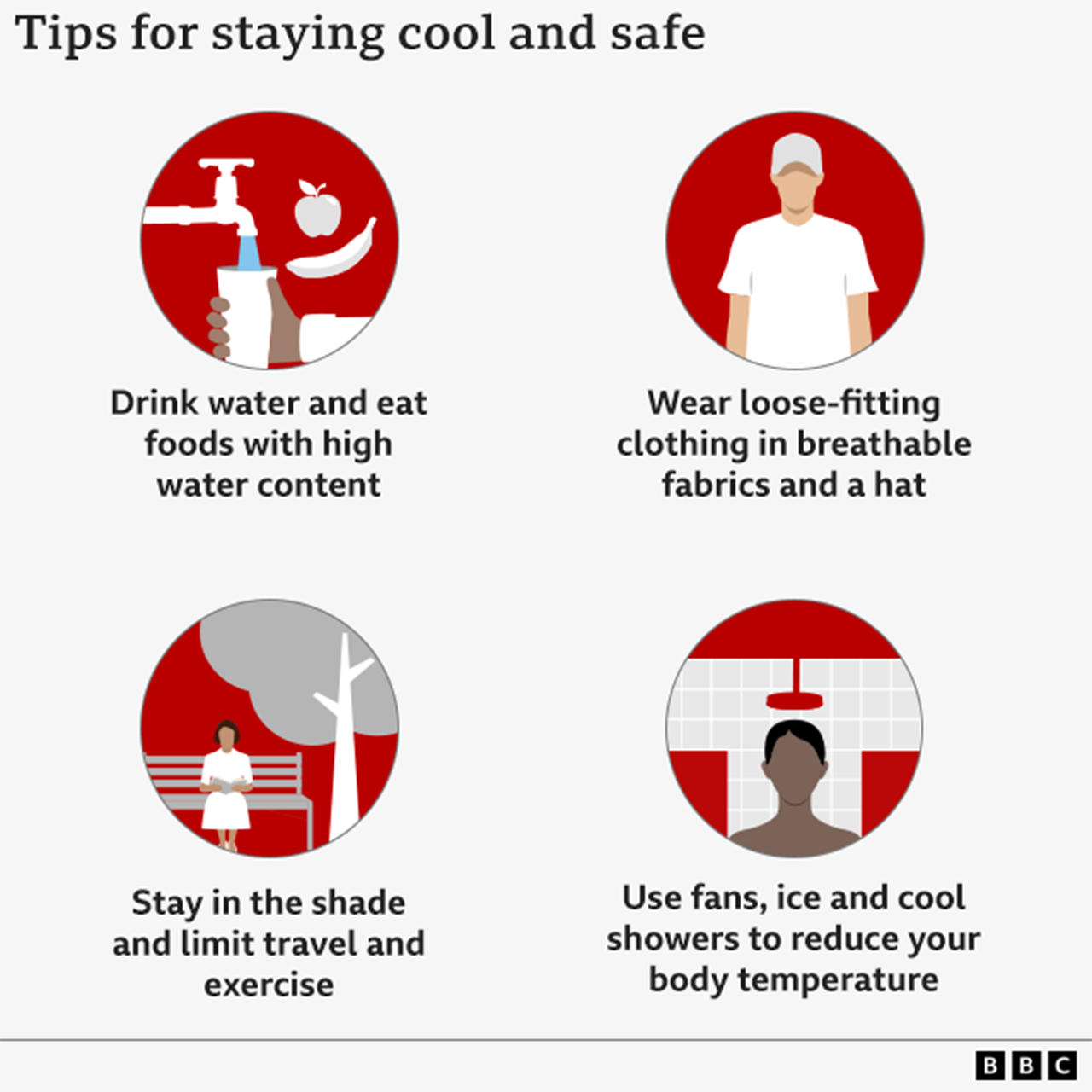
The UK Health Security Agency (UKHSA) recommends checking on people who may struggle to keep cool, such as older people, those with underlying health conditions, and those who live alone. Here are some practical steps to protect yourself and others during hot weather:
- Keep your home cool by closing curtains on windows that face the sun during the day.
- Drink plenty of fluids, especially water, and limit alcohol consumption.
- Avoid going out during the hottest part of the day, typically between 11:00 and 15:00.
- Stay in the shade, apply sunscreen with a high SPF and UVA rating, and wear a wide-brimmed hat.
- Skip strenuous exercise during peak heat hours.
- Carry water with you if you’re travelling or out and about.
If you’re tempted to cool off in rivers or open water, always check local warning signs and be aware of hidden dangers like strong currents or cold shock. Never leave babies, young children, or animals in a parked car, even for a few minutes.
What Should I Do If I Think Someone Has Heat Exhaustion or Heatstroke?
If you suspect someone has heat exhaustion, the NHS advises taking these steps immediately:
- Move them to a cool, shaded place.
- Have them lie down and raise their feet slightly.
- Give them plenty of water, or sports/rehydration drinks if available.
- Cool their skin by spraying or sponging with cool water and fanning them. Cold packs around the armpits or neck also help.
If the person recovers within 30 minutes, heat exhaustion is usually not serious. However, if they don’t improve, they may be developing heatstroke, which is a medical emergency. Call 999 right away.
Heatstroke symptoms include:
- Confusion or disorientation
- Stopping sweating despite feeling hot
- A body temperature above 40°C
- Hot, dry skin
- Nausea or vomiting
- Seizures or loss of consciousness
Who Is Most at Risk from Hot Weather?
Some people are more vulnerable to heat-related illness. Older adults and those with long-term conditions like heart disease may have a harder time coping with the extra strain heat puts on the body. Diabetes can cause faster water loss, and complications from the disease can affect blood vessels and sweating.
Babies, young children, and people with limited mobility are also at higher risk. Conditions like dementia can make it difficult for someone to notice the heat or take action to cool down. People who are homeless or live in top-floor flats without proper ventilation face greater exposure to high temperatures.
Do Some Drugs Increase the Risk from Hot Weather?
Yes, certain medications can make you more susceptible to heat-related problems. However, the NHS stresses that you should continue taking your prescribed medication and focus on staying cool and hydrated.
Diuretics, sometimes called “water pills,” increase fluid loss and can raise the risk of dehydration and mineral imbalances in hot weather. Blood pressure medications, or antihypertensives, can combine with the natural widening of blood vessels to cause a dangerous drop in blood pressure. Some drugs for epilepsy and Parkinson’s disease can reduce sweating, making it harder for your body to cool down. Other medications, like lithium and statins, can become more concentrated in your blood if you lose too much fluid, leading to potential complications.
Does Heat Kill?
Yes, extreme heat can be deadly. In 2022, when England recorded its highest-ever temperature of 40.3°C, there were an estimated 2,985 excess deaths linked to the heat, the highest number on record. In summer 2024, there were around 1,311 heat-associated deaths, and in 2025, an estimated 1,504.
Most heat-related deaths are caused by heart attacks and strokes, which occur when the body struggles to maintain a stable temperature. The risk of death starts to rise when temperatures exceed 25-26°C. Interestingly, deaths are more likely during early summer heatwaves than in peak summer, possibly because people adapt their behaviour as the season progresses. The increase in deaths often happens within the first 24 hours of a heatwave, so it’s crucial to act quickly when temperatures climb.