




With temperatures soaring past 30°C (86°F) in parts of the UK, the last thing anyone wants is to stand over a hot stove. Cooking in the heat feels like a chore, and many of us lose our appetite altogether. But when the mercury climbs, does your diet need to change? Here are three expert-backed tips to keep you feeling your best when the heat is on.
1. Don’t Sweat Over Protein Intake
There’s a common misconception that you need to load up on protein when it’s hot, but nutrition experts say otherwise. “There’s no need for more protein in a heatwave,” says Aisling Daly, senior lecturer in nutrition at Oxford Brookes University. Your body’s protein needs don’t spike with the temperature, so you can keep your intake steady without overdoing it.
That said, the challenge is that many protein sources—like meat, chicken, and fish—require cooking, which can turn your kitchen into a sauna. Even firing up the BBQ can feel like too much effort when the sun is blazing. If you do want a hot meal, consider using an air fryer. Cooking a chicken leg in this countertop appliance uses less than half the energy of a conventional oven, according to Radio 4’s Sliced Bread. Plus, because air fryers are smaller and quicker, they release far less heat into your home.
But don’t forget about your trusty slow cooker, which might be hiding at the back of a cupboard. Although it runs for longer, it’s typically more energy-efficient and emits even less heat than an air fryer. It’s a great way to prepare a protein-packed meal without heating up the house.
Why Protein Can Make You Feel Hotter
Here’s the science: simply digesting protein makes your body generate more heat than when you eat other food groups. Your stomach, intestines, and liver have to work harder to break down these complex molecules, which raises your core temperature. So that juicy steak you’re craving might actually make you sweat even more. But don’t despair—you can still get plenty of protein without turning up your internal thermostat.
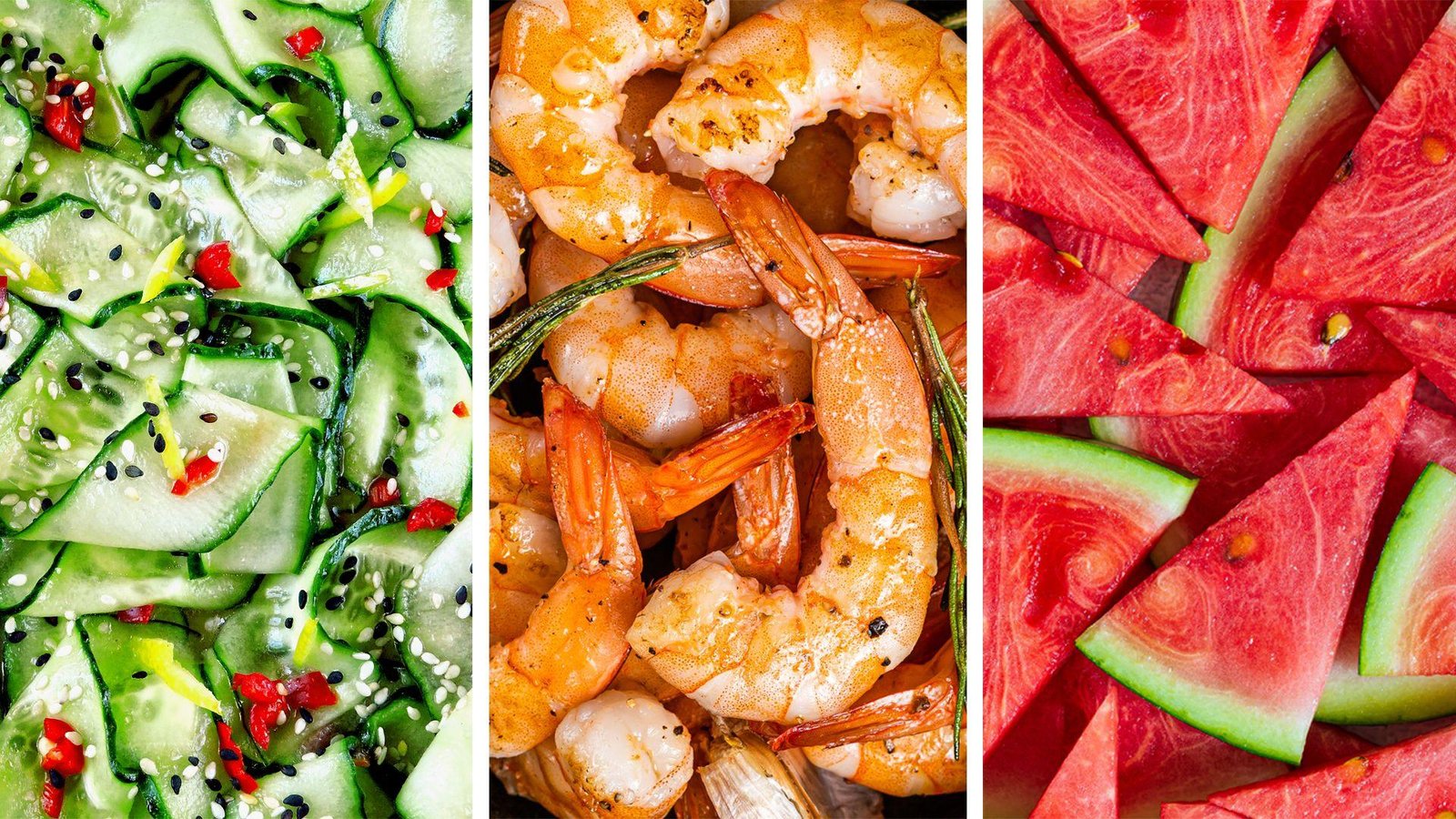
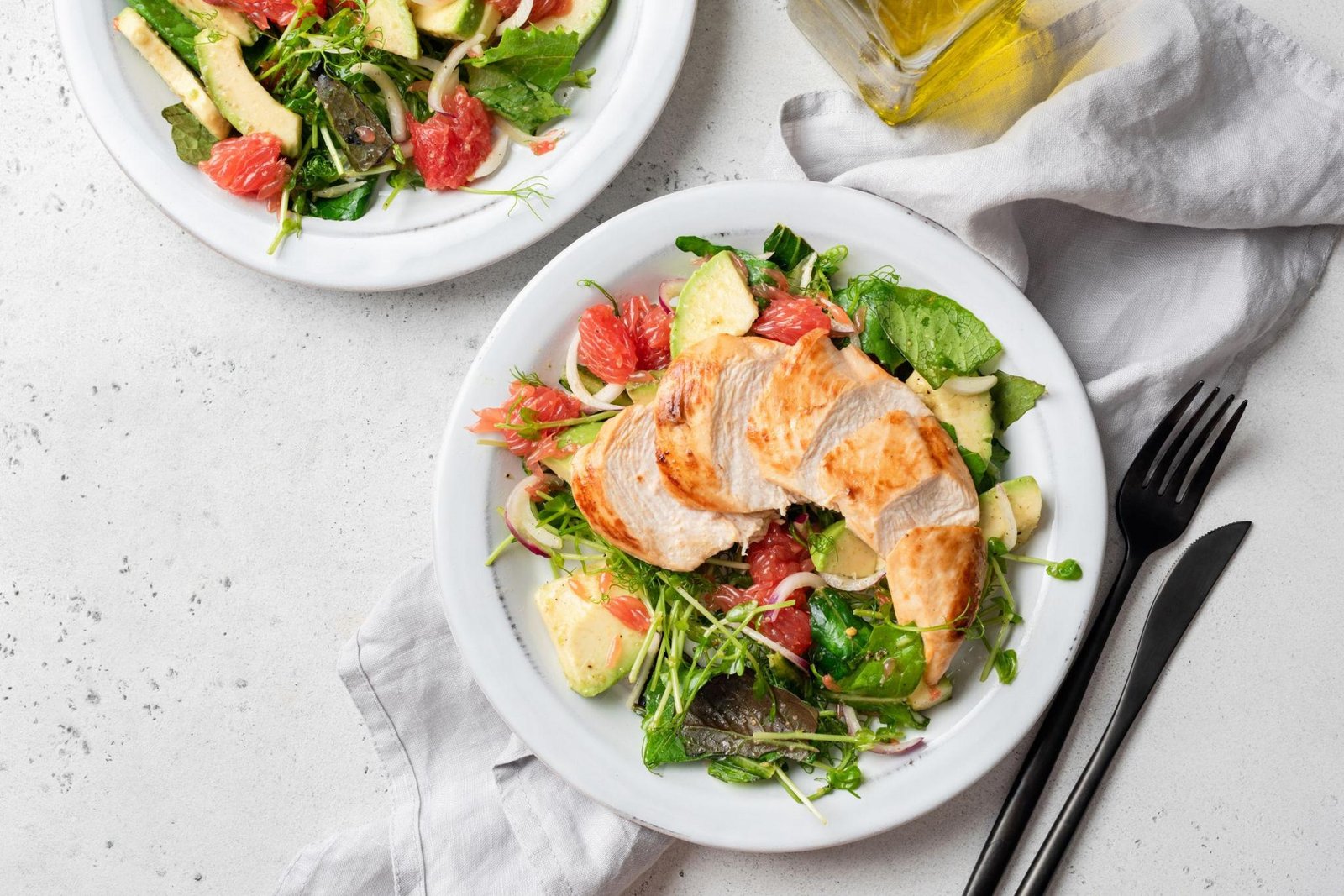
Dr. Daly suggests opting for lighter, no-cook protein sources like bean salads, eggs, pre-cooked meats, and Greek yoghurt (frozen is especially refreshing). A smoothie made with fruit, veg, yoghurt, and a spoonful of peanut butter is a balanced, nutritious meal that’s easy to whip up and easy to digest. You can also turn to lighter fish like tuna, salmon, or prawns, which are packed with protein but won’t weigh you down in the heat.
2. Eat Your Water
When it’s hot, you sweat—and that means you lose water. Replacing it is crucial to avoid dehydration. The NHS recommends six to eight glasses of fluid a day, but during a heatwave, you may need significantly more. “There is no single amount that suits everyone,” explains Dr. Charlotte Mills, food and nutrition scientist at the University of Reading. “Your fluid needs depend on factors like age, body size, activity level, and health status.”
It’s not just athletes or pregnant women who need to up their intake; anyone spending time in the sun should be mindful. But rehydrating doesn’t only mean chugging water. “We need to eat our water as well as drink it,” says Dr. Daly. “80-90% of fruit and vegetables are full of water.”
Top Water-Rich Foods
Cucumber, tomatoes, lettuce, celery, watermelon, and strawberries all boast a water content above 90%. Apples, carrots, cooked broccoli, pears, oranges, grapes, and pineapple come in at 80-89%. For comparison, boiled eggs are about 75% water, while digestive biscuits are a mere 2.8%. Even a cheese and tomato pizza contains 38% water, and takeaway chips can be up to 51%.
If you’re looking for inspiration, try some water-rich recipes that combine these hydrating ingredients into delicious meals. A simple watermelon and feta salad is a summer classic that’s both refreshing and satisfying.
Check Your Hydration Levels
A quick way to tell if you’re drinking enough is to look at the colour of your urine. Pale yellow is the goal. If it’s orangey or dark brown, your kidneys are holding onto water because there isn’t enough in your body—a clear sign you need to drink more. Keep a water bottle nearby and sip throughout the day, even if you don’t feel thirsty.
3. Yes, Hot Drinks Can Cool You Down
It might sound counterintuitive, but that cup of tea you crave in the sweltering heat actually has scientific backing. Warm or room-temperature drinks are just as good as cold ones for cooling you down, says Dr. Daly. Research suggests that when you drink something hot, your body sweats more quickly to shed the excess heat. After a cold drink, your body sweats more slowly. Either way, your body is working to keep your core temperature steady at around 37°C.
So, hot tea won’t necessarily cool you down faster than an iced drink, but it won’t hurt either. The key is to stay hydrated, regardless of the temperature of your beverage. And you don’t have to give up your coffee habit just because it’s hot—though moderation is key. Too much caffeine can increase urine production and leave you dehydrated.
What About Caffeine and Alcohol?
For matcha fans, this drink contains more caffeine than a cup of tea but less than a regular coffee. Dr. Daly says one or two coffees a day should have little effect on your hydration, but five or six will start to make a difference. And remember, alcohol dehydrates, so it’s best to limit it during a heatwave.
Embrace a Southern European Eating Pattern
Another way to cope with the heat is to restructure your day. Adopt a southern European approach: have an early breakfast, take a siesta during the hottest hours, and enjoy a late dinner when the temperature drops. This not only helps you avoid the midday sun but also aligns your meals with cooler periods, making eating more enjoyable.
Ultimately, the best diet for a heatwave is one that keeps you hydrated, doesn’t overheat your body, and is easy to prepare. Focus on water-rich fruits and vegetables, lighter proteins, and plenty of fluids—hot or cold. With these tips, you’ll be ready to beat the heat and stay nourished all summer long.