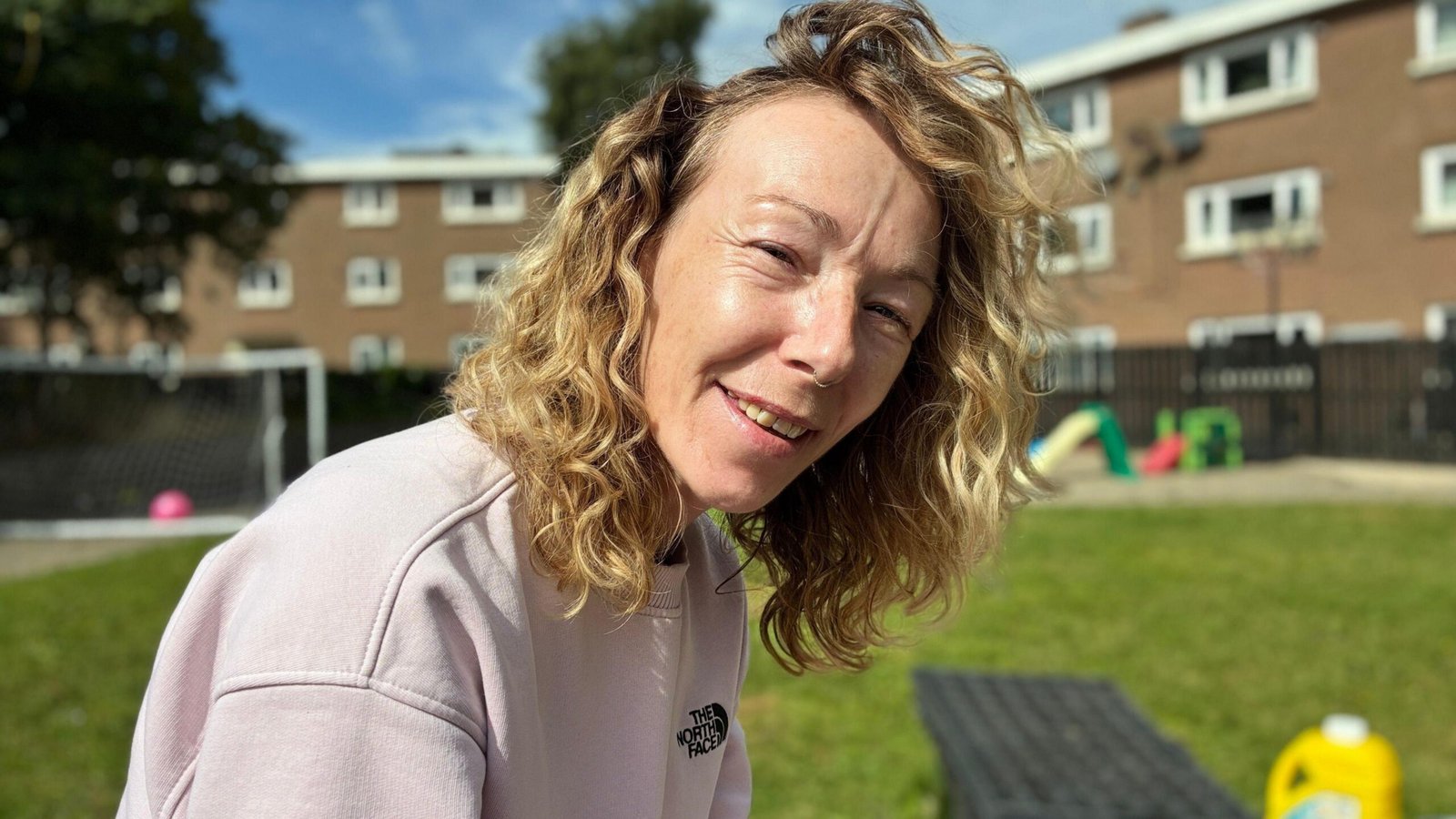

The first drug designed to help people with multiple sclerosis walk is now available on the NHS in England. Fampridine, a signal-boosting pill, enhances nerve signals, making it easier for some patients to move and live independently.
Aysen Slack, who previously paid for fampridine privately until it became too expensive, described the decision as making a “huge difference” to her life. Up to 5,000 people in England could benefit each year, joining patients in Wales, Scotland, and Northern Ireland who already have access.
How Fampridine Works
Multiple sclerosis occurs when the immune system attacks the protective covering around nerve cells, known as myelin. This damage disrupts the ability of nerves to transmit electrical messages from the brain to the rest of the body, including the precise muscle control needed for walking.
Fampridine acts as a “signal booster,” helping these electrical messages still get through. Clinical trials showed that around four in ten people taking the drug experienced improvements in walking speed and endurance. For some, this can mean the difference between getting around the house independently or needing help, or enabling them to go out and see friends and family.
Eligibility and Access
More than 120,000 people live with MS in England, but only about 5,000 per year will be eligible based on the severity of their walking difficulties. Patients will try the medicine for up to a month, and only those showing a “clear benefit” can continue taking it long-term.
The drug was previously rejected for NHS use in England due to cost-effectiveness concerns, but a new deal has made it available. Current NHS support for MS includes physiotherapy and walking aids.
Patient Stories: Aysen Slack’s Journey
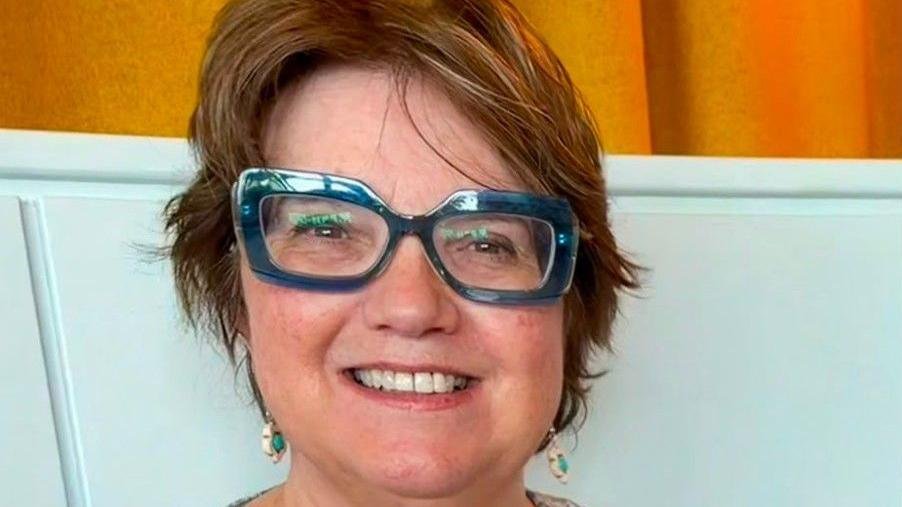
Aysen Slack, 65, from Eastbourne, chose to pay privately for fampridine after hearing about it. She said it “worked well for me” but came at a “significant expense and I could not keep doing that forever,” so she had to stop.
Calling the NHS decision “great news,” Slack said she “would definitely like to try” again. “My mobility has decreased a lot, and even in my flat I have to use sticks now,” she explained. “It would make a huge difference to my life if I were able to improve my walking.”
Expert Reactions
Prof Frankie Swords, NHS national medical director, said: “Walking difficulties can have a huge impact on the freedom and independence of people with MS, so this signal-boosting pill could be life-changing for thousands of patients. Even a modest improvement could mean getting around the house more easily, going out with greater confidence, and living more independently.”
Ceri Smith from the MS Society said they were “delighted” by the news, noting the drug could be “life-changing” for many, allowing people to “live more independently or stay in employment.”