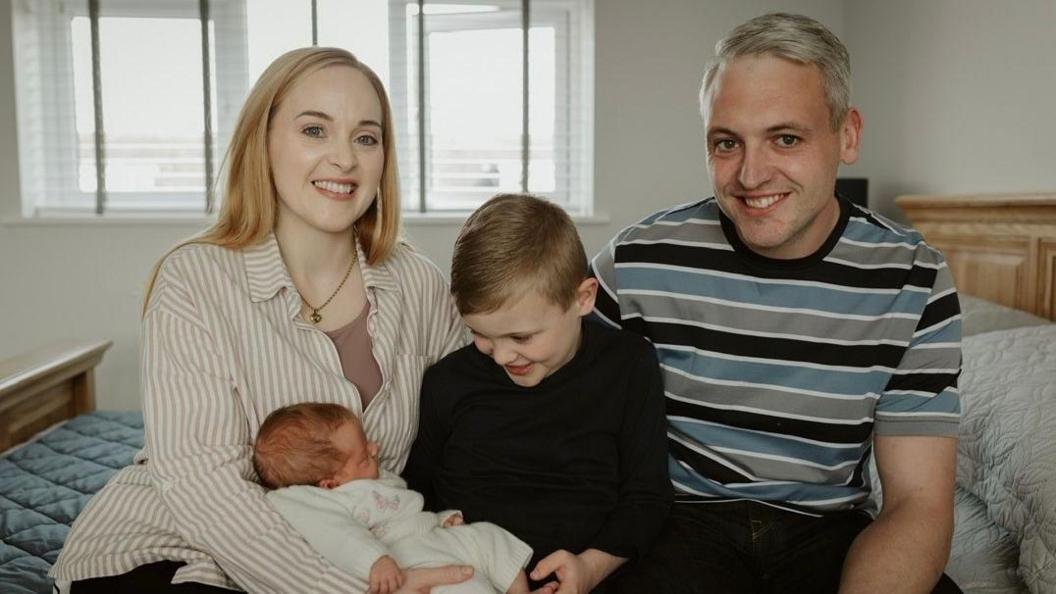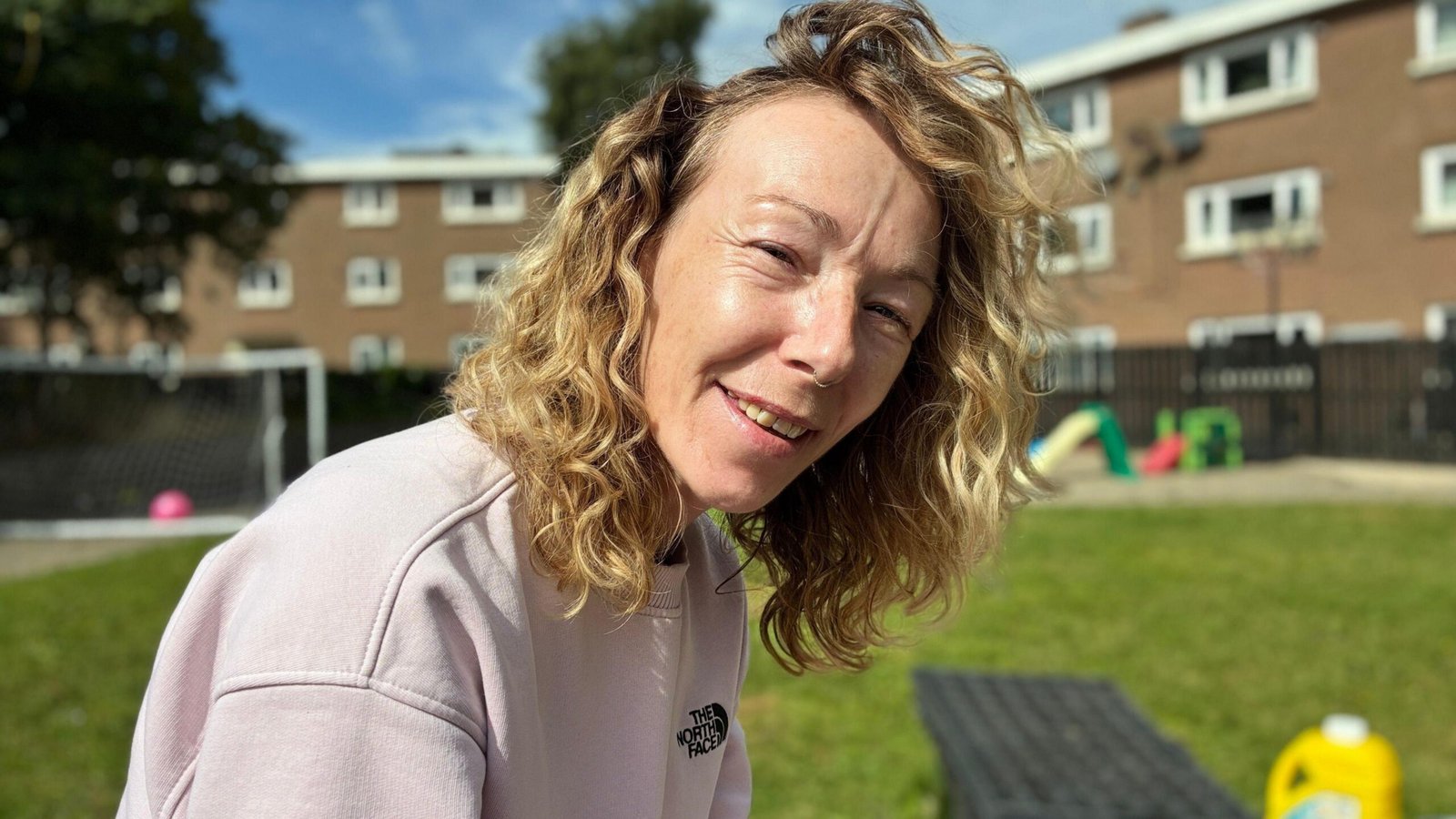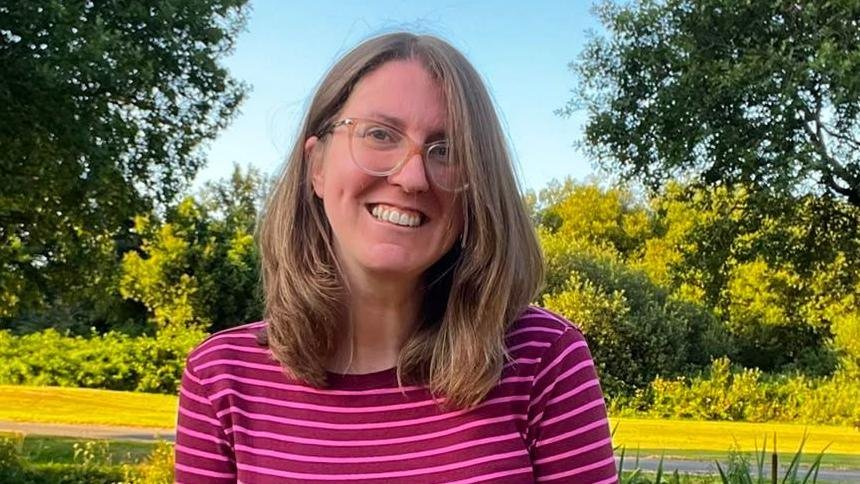


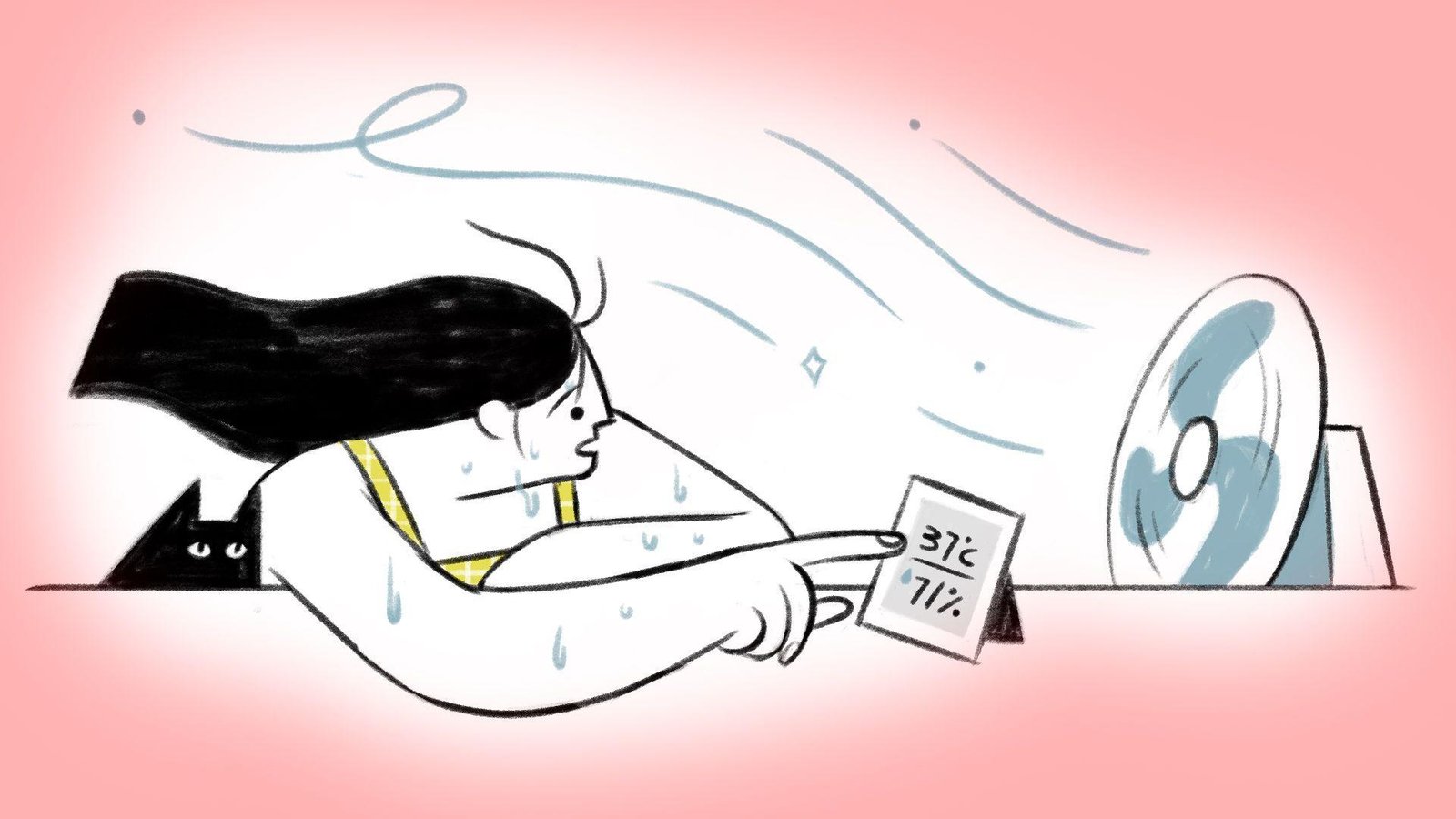
During the peak of June’s heatwave, the warmest June ever recorded in England, Tavia Watts couldn’t stop worrying about the temperature in her children’s bedroom. It was often above 30°C, and the 36-year-old mother of two felt overwhelmed.
“During the heatwave, I’ve got a high level of anxiety all the time and I’m pretty much useless,” she shared. “I’ve had to leave bedtime when my husband reads them stories to have a little cry and to calm down, because it’s just too hot in their room and I’m afraid for them.”
Feeling “incredibly helpless,” Watts posted a short video on Instagram expressing her inner fears. To her surprise, it resonated with thousands, receiving over 18,000 likes and 1,700 reposts. In the video, the stay-at-home mum from Cheltenham describes the heat as feeling “like the world is literally ending,” confessing she’s “terrified for her children’s lives” and wants to “scream at the people not taking this seriously.”
Who Is Most at Risk?
Watts is far from alone. A 2022 study from the University of Bath estimates that about 4.6% of people in the UK experience climate anxiety, a form of mental distress now recognized by professional bodies and the NHS. A 2025 study found that young people and women are among the groups most at risk.
Psychologists Dr. Caroline Hickman from the University of Bath and Dr. Emma Lawrance from the University of Oxford note that “anticipatory anxiety” related to heatwaves is becoming more common. “Once people have been through a traumatic event like a flood or a heatwave, they anticipate the next one,” explains Hickman, who provides therapy for climate anxiety. In the UK, with repeated heatwaves, it triggers a sense that ‘I can’t be safe in the world, and the world can’t be trusted.’
During June’s heatwave, Hickman heard extreme reactions: “I had people saying they’re going to kill themselves, I’ve had people saying they’re going to terminate pregnancies, I’ve had people saying that they want to sell their houses and move somewhere cooler.”
Watts’s video clearly struck a chord, with therapists even commenting with coping strategies. She wants to help others. “It can go one of two ways,” she says. “You can either just fall into doomism and think, ‘What is the point?’ Or you can try to do something. I sign petitions during a heatwave; I organise climate community events; I run a free children’s clothes swap shop. During the last heatwave, I finally became vegetarian, so I can tell my kids at least I tried.”
‘The Future Is Really Scary’
Lizzie Ellen was “terrified” when she first learned about climate change in school, but it felt “quite far off” then. Now, the 38-year-old from west London finds herself “obsessively” reading about the heatwave and constantly checking her weather app. A new mother to a baby born a few months ago, Ellen feels both isolated and worried about keeping her infant cool.
“With the baby, I’ve been staying indoors more, keeping on top of checking the temperature… so there’s that isolation,” she says. “Then there’s the future, which is really scary to be honest – thinking about how the heat we experienced back in June could become a daily reality within a very short time, in my baby’s lifetime… and that’s pretty miserable, staying indoors all day in the dark.”
Some have made major life changes. Ecologist Dr. Francis Windram moved from Ascot, near London, to Lancaster in the north-west of England specifically for the cooler climate. He still bought a portable air conditioning unit as a precaution and worries about his grandparents and father living further south. “We’re looking at 35°C-plus heat in houses that were not designed for it, with people who are not as able to regulate their temperature, and can’t necessarily afford to just fit an AC,” he says.
How to Cope with Heatwave Anxiety
Dr. Lawrance offers several recommendations for managing climate anxiety:
Talk to Others
There’s often “a huge perception gap between how concerned people are about climate change, and how much they think other people care,” says Lawrance. You might wrongly assume you’re in the minority or alone. “Make space to be kind to yourself, to tend to those emotions and know that it’s coming from a place of care for the world,” she advises.
Find a Community
Lawrance recommends finding a strong social network of people who share your concerns and taking positive action together. Whether it’s planting a garden at school or installing solar panels at work, action can channel anxiety into something productive and alleviate symptoms. She suggests groups like the Climate Psychology Alliance, the Resilience Project, the Climate Cares Centre, and the Climate Majority Project for support.
Keep Yourself Cool
Your physical health directly impacts your mental health. Being hot can worsen anxiety and mood, so Lawrance emphasizes staying physically cool during extreme heat. “Having a cool shower, putting a cold washer on your neck, making sure you’re hydrated – all of those things will help physiologically as well,” she says. “There’s a lot we can do – we’re not powerless.”