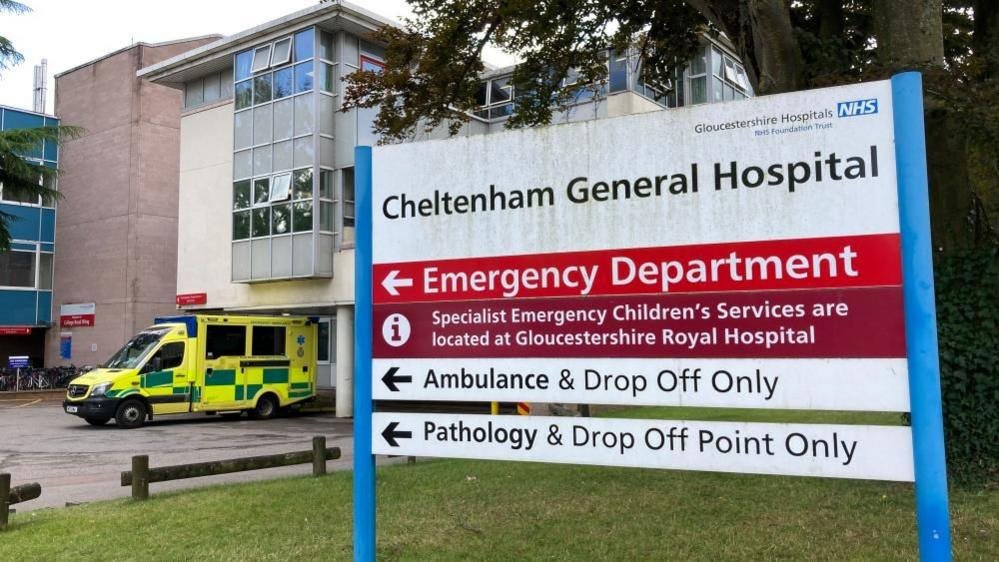
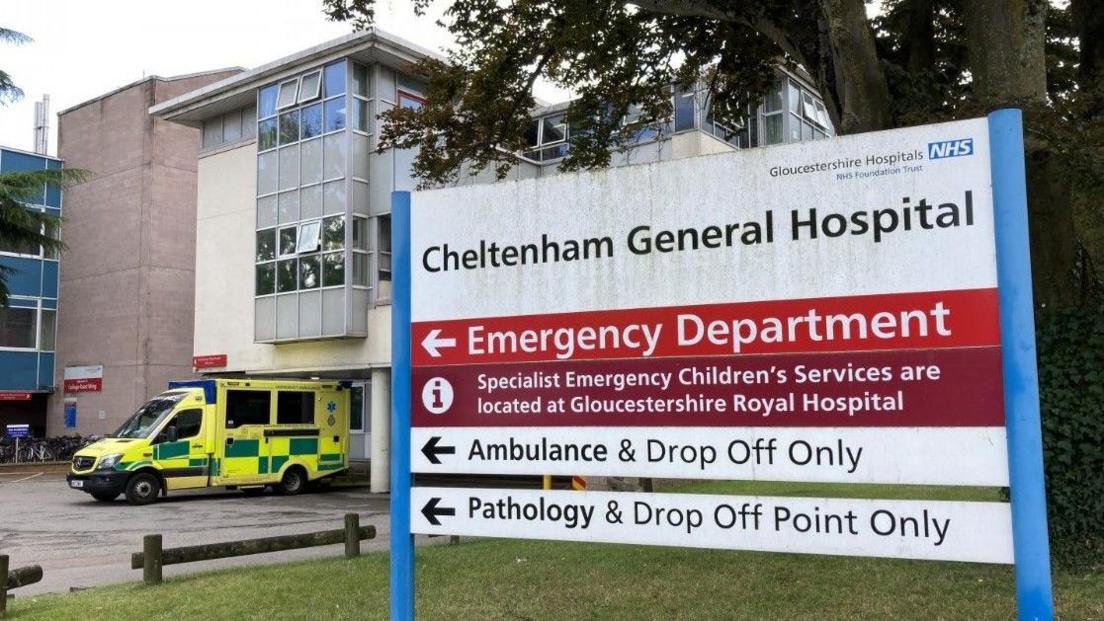
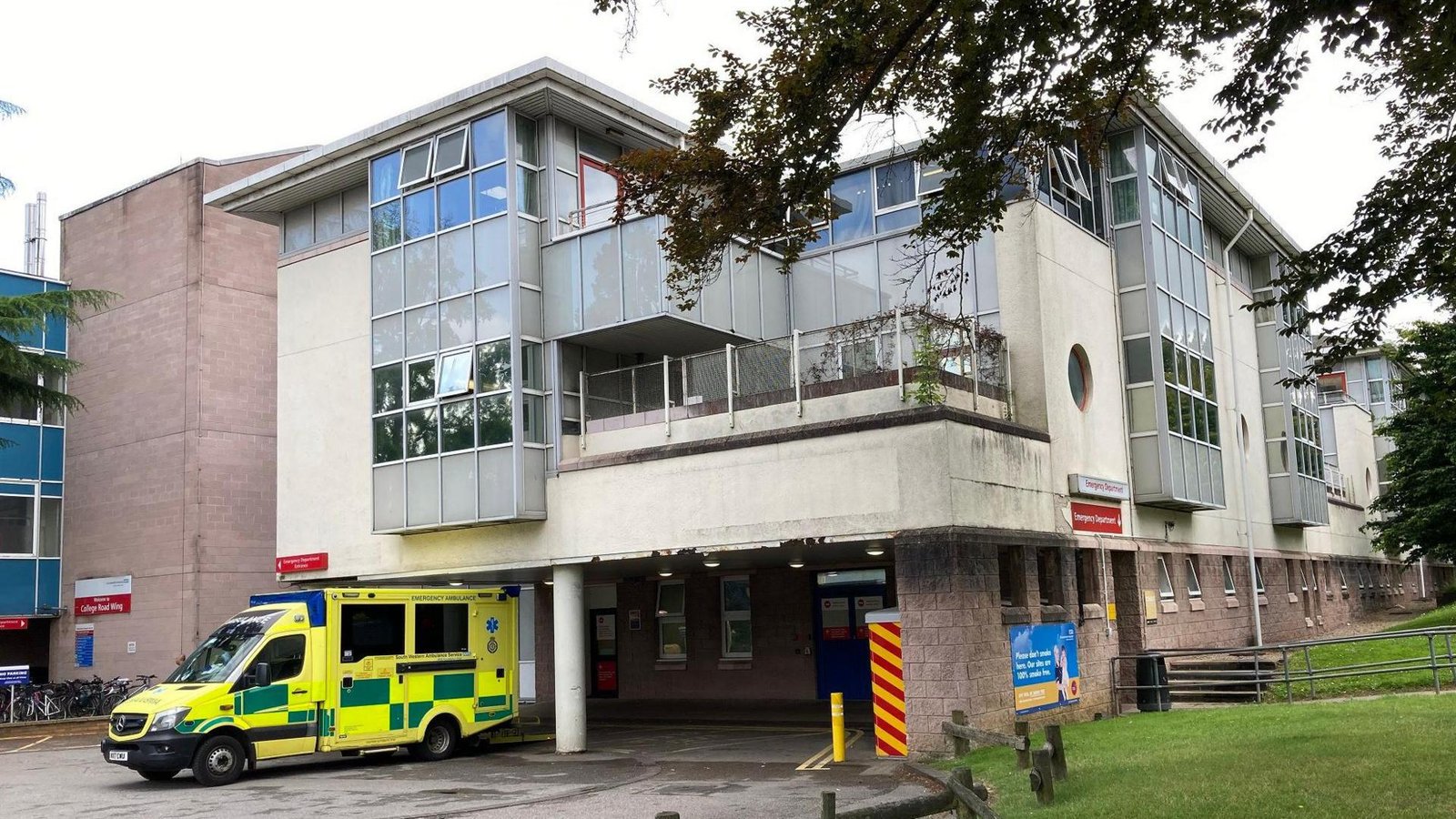
In a significant development for healthcare in Gloucestershire, Cheltenham General Hospital’s Accident and Emergency department will remain fully operational after the British Medical Association (BMA) suspended its planned four-day resident doctor strike. The decision comes after the government presented a new pay offer, prompting the union to call off the industrial action that had threatened to severely disrupt services.
The A&E unit at Cheltenham General had been scheduled to temporarily close its doors at 20:00 BST on Sunday, transitioning to a minor injury and illness unit from Monday through Friday. This contingency plan was put in place to manage the anticipated impact of the strike, which was set to begin at 07:00 on Monday and last until 06:59 on Friday. However, the last-minute pay breakthrough has averted this scenario, ensuring that emergency services remain accessible to the community.
Why Was the Strike Called Off?
The BMA’s announcement on Saturday confirmed that the strike, which would have been the 16th in the long-running dispute over pay and working conditions, has been suspended. The decision follows intense negotiations between union leaders and government officials, culminating in a revised offer that addresses some of the key concerns raised by resident doctors.
Dr Jack Fletcher, chair of the BMA’s resident doctor committee, explained the rationale behind the suspension. “All we have asked for is a fair offer that secures enough jobs to tackle the madness of doctor unemployment and take steps to address the erosion of our pay,” he said. “Tens of thousands of frontline doctors will now vote in a referendum on whether this offer is sufficient.”
He added a note of caution: “Doctors will now have their say. If they say no to this offer we will have to continue our plans for further escalated action across next month.” This indicates that while the immediate threat of strike action has been lifted, the underlying tensions remain unresolved, and the situation could change depending on the outcome of the upcoming ballot.
What Does This Mean for Patients?
For patients in and around Cheltenham, the most immediate impact is the reassurance that the A&E department will remain open as normal. The planned reduction in services, which would have seen the unit downgraded to a minor injury and illness unit, has been cancelled. This means that individuals requiring emergency care can continue to access the full range of services at Cheltenham General Hospital without disruption.
However, the trust has cautioned that the late change in plans means some disruption is unavoidable. Gloucestershire Hospitals NHS Foundation Trust stated: “While this late change means some disruption to services is unavoidable, we are working quickly to restore services wherever possible.”
Cancelled Appointments
One area where patients may still experience inconvenience is with appointments that were cancelled in anticipation of the strike. The trust has confirmed that it is too late to reinstate appointments scheduled for Monday. Patients who had appointments booked for this day are advised to assume they are cancelled unless contacted directly by the hospital.
For appointments scheduled from Tuesday to Thursday, health chiefs are actively working to reorganise these. The trust is prioritising the restoration of services and will be contacting patients to reschedule. In the meantime, patients are advised to attend their appointments as planned unless they receive direct communication from the hospital indicating otherwise.
Government and Union Reactions
The development has been met with cautious optimism from both sides. Health Secretary James Murray described the new offer as a “chance to draw a line under the damaging disputes of recent years.” He emphasised the government’s position on pay, stating: “The country simply cannot afford to increase the pay offer for this year. I am pleased that the BMA have recognised this, which has allowed us to make progress in other areas, such as training places and working conditions.”
This statement highlights the delicate balance the government is trying to strike between fiscal responsibility and addressing the concerns of healthcare professionals. The offer, while not increasing the current year’s pay, appears to include concessions in other areas that are important to resident doctors, such as improved training opportunities and working conditions.
Background: The Long-Running Dispute
The now-suspended strike was part of a prolonged period of industrial action that has affected the NHS across the country. Resident doctors, who are the backbone of hospital care, have been engaged in a dispute with the government over pay erosion and job security. The BMA has argued that years of below-inflation pay rises have effectively reduced doctors’ real-term earnings, making it difficult to retain and recruit staff.
The issue of doctor unemployment has also been a key sticking point. Despite the NHS facing staffing shortages, there have been reports of newly qualified doctors struggling to find permanent positions. The BMA has called for guarantees on job availability, and this appears to be a central component of the new offer.
Impact on Cheltenham General Hospital
Cheltenham General Hospital has been at the forefront of contingency planning for the strike. The hospital’s A&E department, which serves a large population, was identified as one of the areas that would be most affected. The decision to temporarily downgrade the unit was a difficult one, but it was seen as necessary to ensure patient safety during the strike period.
The reversal of this decision is a relief for both staff and patients. The hospital can now continue to provide a full emergency service, reducing the pressure on other facilities in the region that would have had to absorb additional patients.
What Happens Next?
With the strike suspended, the focus now shifts to the referendum among BMA members. The outcome of this vote will determine whether the dispute is truly resolved or whether further industrial action is on the horizon. Dr Fletcher’s comments suggest that the union is prepared to escalate action if the offer is rejected, which would likely have significant implications for the NHS.
For now, however, patients in Gloucestershire can breathe a sigh of relief. The immediate threat of disruption has passed, and services at Cheltenham General Hospital will continue as normal. The trust is working to minimise any residual disruption and will be communicating directly with affected patients.
Advice for Patients
If you have an appointment at Cheltenham General Hospital in the coming days, here is what you need to know:
- Monday appointments: Assume they are cancelled unless you are contacted. The trust is unable to reinstate these at short notice.
- Tuesday to Thursday appointments: These are being reorganised. You will be contacted by the hospital to reschedule. If you do not hear from them, attend as planned.
- Emergency care: The A&E department is open as usual. Do not hesitate to seek emergency care if needed.
The trust has also advised patients to check for updates on its official channels, as the situation could evolve.
Looking Ahead
The suspension of the strike marks a potential turning point in the dispute, but it is not the end of the road. The referendum among doctors will be a crucial test of whether the offer is acceptable to the workforce. If accepted, it could pave the way for a period of stability in the NHS, allowing staff and management to focus on tackling the significant challenges facing the health service.
If rejected, the threat of further, potentially more severe, industrial action looms. The BMA has already indicated that it would continue with plans for escalated action in the next month. This uncertainty underscores the fragility of the current situation and the importance of finding a lasting resolution.
For the people of Cheltenham and the surrounding areas, the immediate priority is the continued operation of essential services. The news that the A&E department will remain open is a positive step, but it is one that comes with the caveat that the underlying issues have not yet been fully resolved.
Community Response
The news has been welcomed by local residents and patient groups, who had expressed concern about the potential impact of the A&E closure. Many had voiced fears that a temporary downgrade could lead to longer waiting times and increased pressure on other healthcare facilities. The reversal of this decision has been met with relief, although some remain cautious about the future.
Local health campaigners have urged both sides to continue negotiations in good faith to avoid further disruption. They have highlighted the importance of a stable and well-funded NHS, and the need for a sustainable solution that addresses the concerns of doctors while ensuring the delivery of high-quality patient care.
Final Thoughts
The decision to call off the strike is a welcome development for the NHS and the community it serves. It demonstrates that dialogue and negotiation can yield results, even in the most contentious of disputes. However, it also serves as a reminder of the ongoing challenges facing the health service, from staffing shortages to funding constraints.
As the referendum approaches, all eyes will be on the BMA’s members to see if they accept the offer. The outcome will have far-reaching implications, not just for Cheltenham, but for the entire NHS. For now, the immediate crisis has been averted, and patients can continue to rely on the services at Cheltenham General Hospital.
The trust has expressed its commitment to restoring full services as quickly as possible and has thanked patients for their patience and understanding during this challenging period. It has also reiterated its advice for patients to attend appointments as planned unless contacted directly.
In the meantime, the community can take some comfort in the fact that the A&E department remains open, and that the doctors’ strike has been called off, at least for now. The coming weeks will be critical in determining the long-term resolution of this dispute, and the impact it will have on the future of healthcare in the region.