
Jersey’s social security minister has dismissed calls to remove tax from sanitary products, insisting the island’s free period product scheme is a more effective solution.
Senator Elaine Millar argued that scrapping the 5% goods and services tax (GST) on period products would deliver little financial benefit to consumers, especially when compared with the savings available through the government-funded initiative.
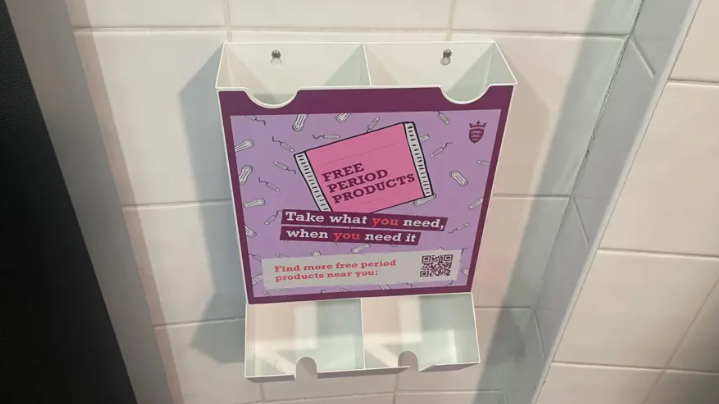
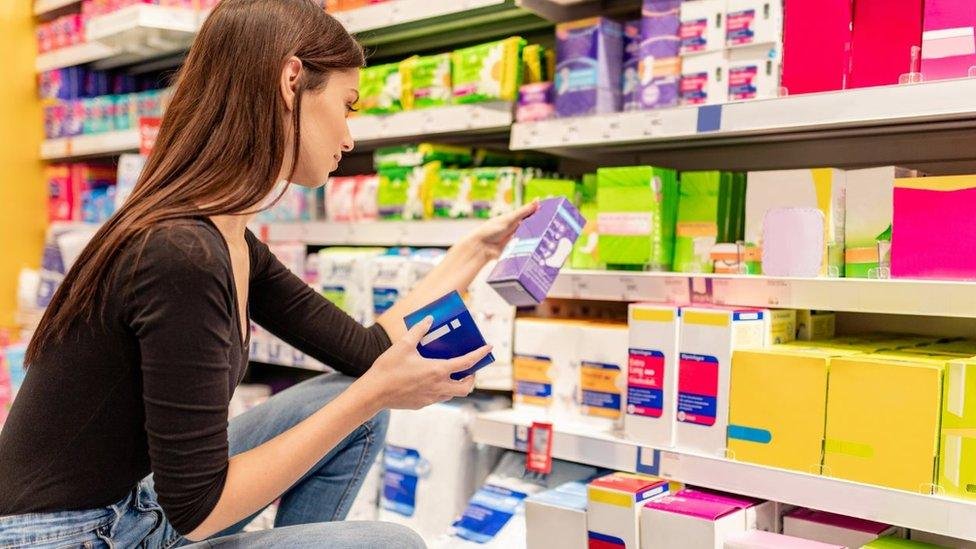
Since its launch four years ago, the free period product scheme has cost the government more than £500,000, providing tampons, pads, and other essential items across public toilets, government buildings, and other accessible locations across the island.
Campaigners and residents, however, say the scheme does not go far enough. While the free products are welcome, they argue that those who prefer to buy their own items in shops are still unfairly penalised by GST – a charge that makes Jersey the only place in the British Isles to tax sanitary products.
Millar, however, remains unconvinced. She said removing GST would be “pointless” and would not deliver the kind of meaningful support that the free scheme already provides.
Why the Minister Says Removing GST Is ‘Pointless’
Speaking to the BBC, Senator Millar laid out her reasoning in simple terms. She explained that for someone spending £5 a month on sanitary products, removing GST would save just 25 pence – assuming the saving was passed on by retailers.
“If you look at simple facts, simple maths, if you’re spending £5 a month on sanitary products, taking GST off, if the saving was passed on, would save you 25 pence,” she said.
“With free products, you’re saving £5 because you’re getting the entire product free.”
Millar added: “I don’t think it would be effective and, if people have issue with affordability and accessibility, we have resolved that by the free product scheme.”
The minister’s comments come after years of debate over the taxation of period products in Jersey. In 2022, politicians voted to remove the 5% GST, but the decision was later reversed when the government introduced its free product scheme in October of that year.
Since then, the scheme has expanded significantly, with a wider range of products and collection points now available across the island.
The Scheme’s Expansion and Impact
Millar said the growth of the scheme was evidence of its success. She described it as a “testament to the need and the demand for the scheme.”
“It’s addressing affordability issues for people, but also accessibility and just making it a commonplace part of life that women need to pick up as just as part of general living,” she said.
The free products are available in a variety of locations, including public toilets, government buildings, and other community spaces. The government has also worked to ensure that the products are discreetly available, reducing any stigma associated with accessing them.
Despite this, critics argue that the scheme does not solve the underlying inequality of taxing a basic necessity. They point out that Jersey remains the only part of the British Isles where period products are still subject to tax.
Campaigners Call for Tax-Free Period Products
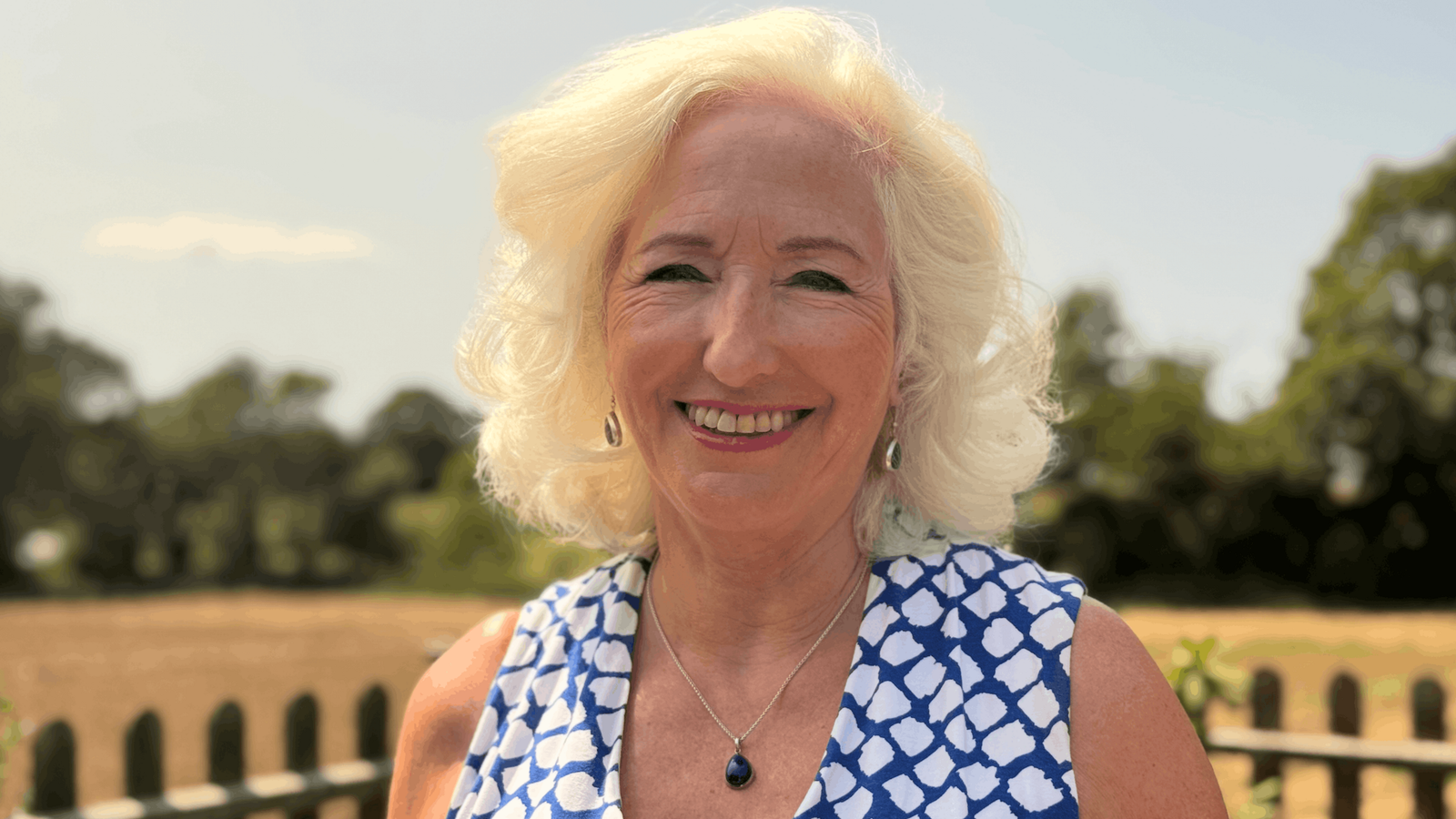
Debbie Taylor, president of Soroptimist International Jersey, has been a vocal advocate for removing GST from sanitary products. She described the tax as “another example of inequality” and said the free scheme, while positive, does not go far enough.
“This is just another thing that’s just glaringly obvious that, hang on a minute, women are paying every month – they’re paying for a product with GST on top,” she said.
“It needs to change – it only would make a very small difference to everybody. But wouldn’t that small difference be worth doing? Those few little pounds that you save can go on something else?”
‘We, as Women, Deserve’
Taylor also highlighted the changing political landscape in Jersey, noting that the new government includes “more women than ever.” She believes this presents an ideal opportunity to address the issue.
“Yes, it may take a bit of time and a bit of money to sort it out, but I think it’s something that we, as women, deserve,” she said.
“I just think that it’s ideal opportunity now for, as we have so many women in government, to make sure the women’s health strategy is pushed forward and why not include whether we pay GST on female products.”
When asked whether she would have supported the 2022 proposition to remove GST, Senator Millar said she “wouldn’t support it because I don’t think it would produce any effective benefit.”
Taylor described this stance as “a little short-sighted.”
“Thinking about women in general in Jersey, I think it may not seem right for her or for her gut in the government’s position, but I do wish that they would think a little bit further about about it and and maybe do a survey,” she said.
“Maybe ask women whether they want it reduced – I’m sure they would.”
What Islanders Think
The BBC spoke to people on the streets of Jersey to gauge public opinion on the issue. The responses were largely in favour of removing the tax.
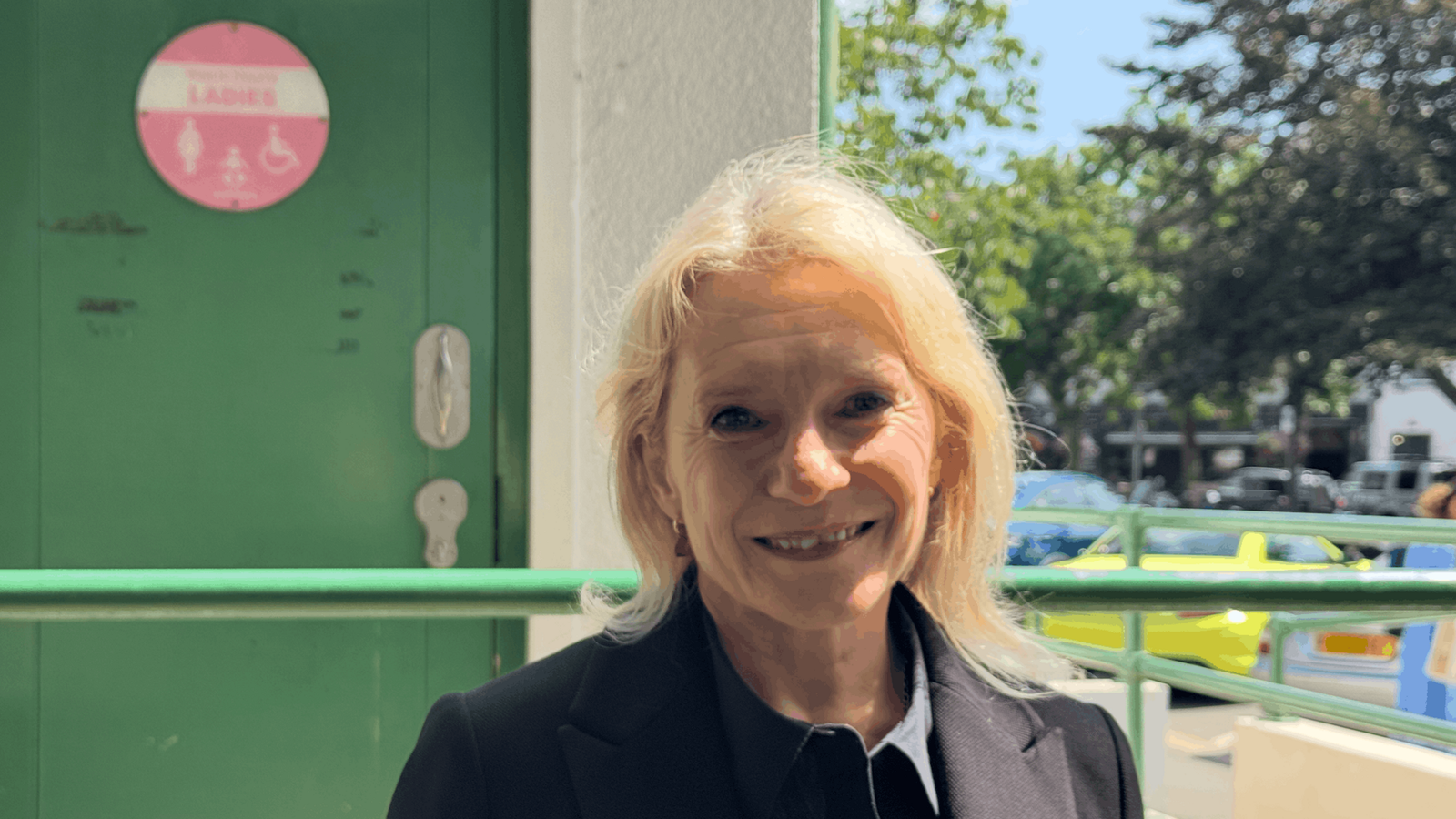
Carole, a resident, called the continued taxation “absolutely ridiculous.”
“It’s crazy – you can’t do without them. It’s an essential part of life,” she said.
“If we didn’t need them, I’m sure we wouldn’t buy them. Luxuries are things you want you want to buy… those sanitary products are definitely not things you want to buy.”
Chris acknowledged the value of the free scheme, calling it “a bit of initiative from the government,” but still believed tax “shouldn’t be added.”
Charlie echoed similar sentiments, saying that in an “ideal scenario, none of us are going to pay tax on something that’s a necessity that none of us can help.”
However, she also recognised the benefits of the free product scheme, noting that it “counteracts the tax to a certain extent.”
“I do think that’s a really really good system and kind of counteracts the tax to a certain extent,” she said.
The Broader Context: GST Exemptions in Jersey
Under Jersey’s current tax laws, only a limited range of goods and services are exempt from GST. These include financial services, insurance, postal services, medical supplies, prescription medicines, supplies by charities, registered childcare, some burial and cremation services, and school fees.
Sanitary products are not on that list, meaning they remain subject to the standard 5% rate. This places Jersey in a unique position compared with the rest of the British Isles, where such products have been made tax-free in recent years.
The debate over period product taxation is part of a wider conversation about period poverty and women’s health. Campaigners argue that taxing essential items disproportionately affects those on lower incomes, who may struggle to afford basic hygiene products.
While the free scheme has been praised for improving access, many believe that removing GST entirely would be a more comprehensive solution – one that would benefit all women, regardless of whether they use the free scheme or prefer to buy their own products.
For now, the government’s position remains clear: the free scheme is the preferred approach, and removing GST is not on the agenda. But with growing public support for tax-free period products, the issue is unlikely to disappear from the political landscape anytime soon.