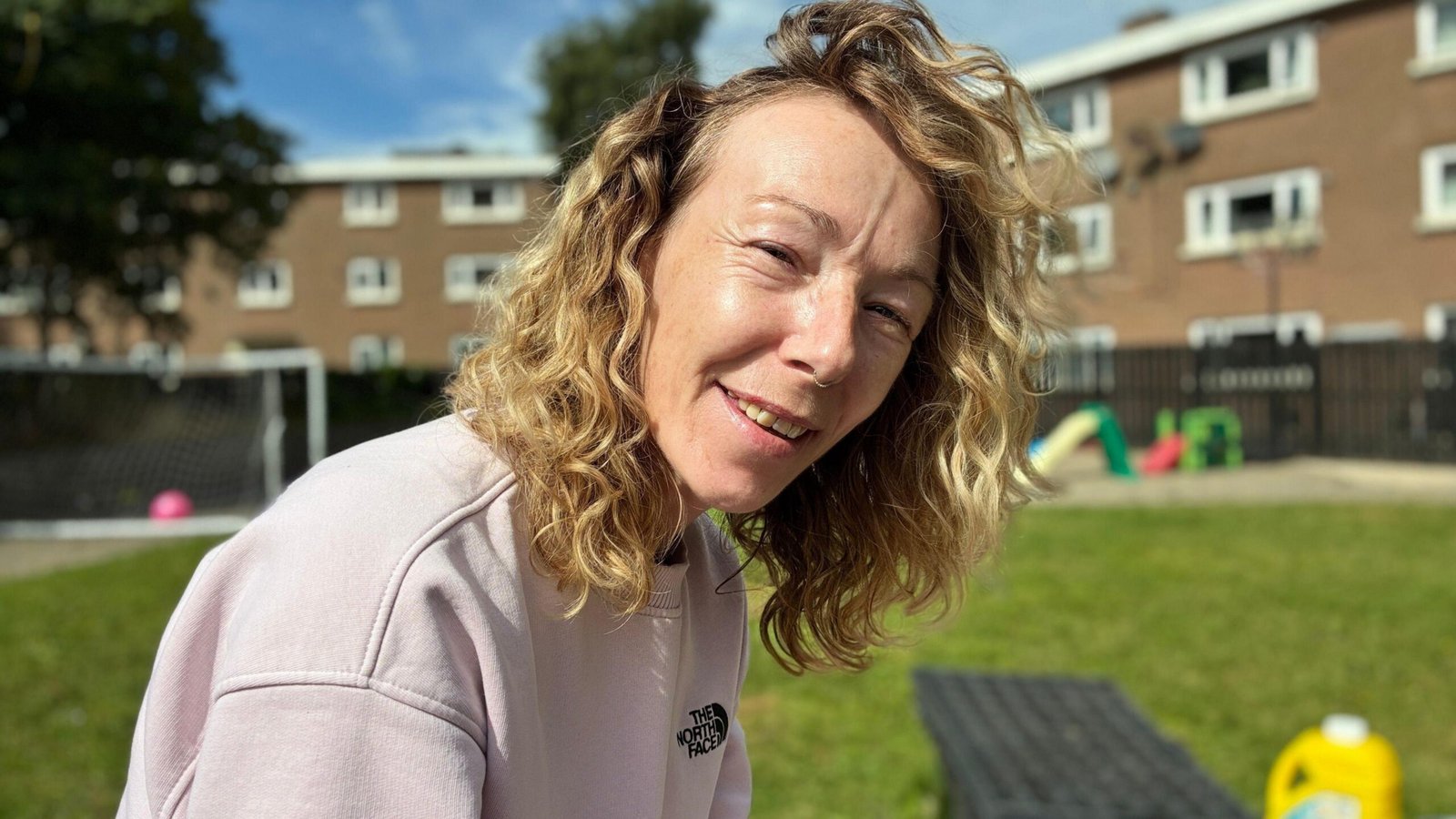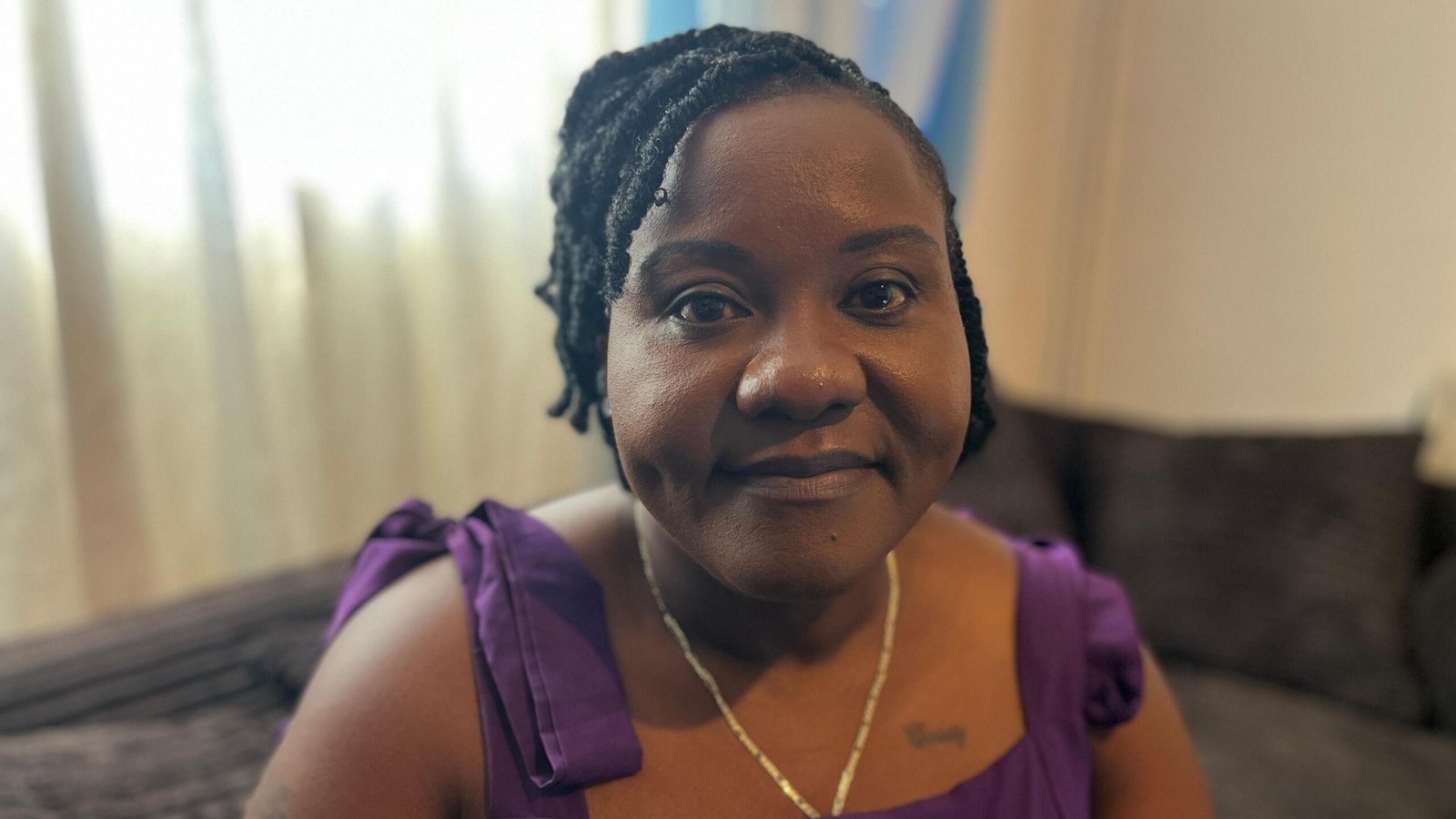
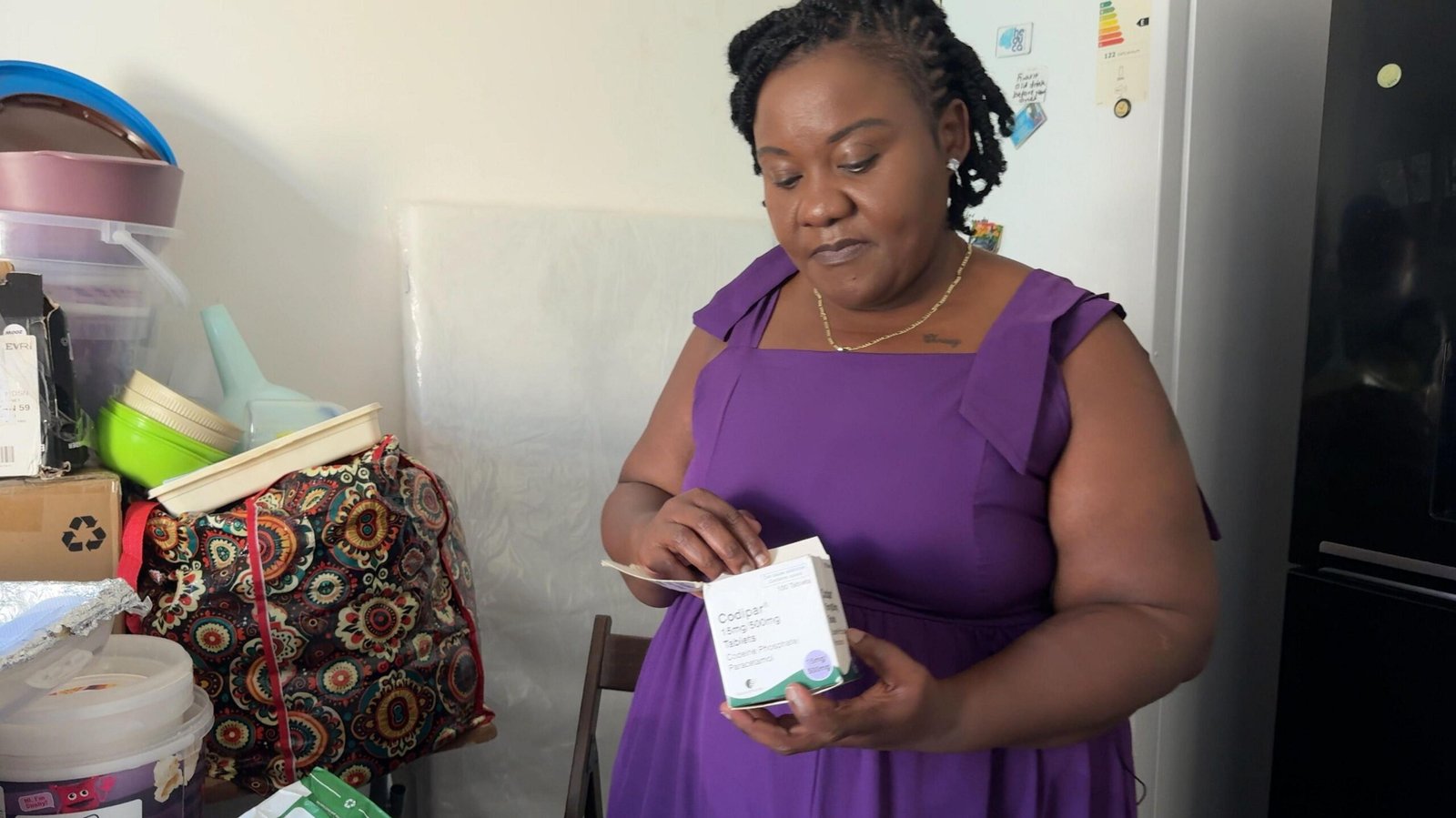

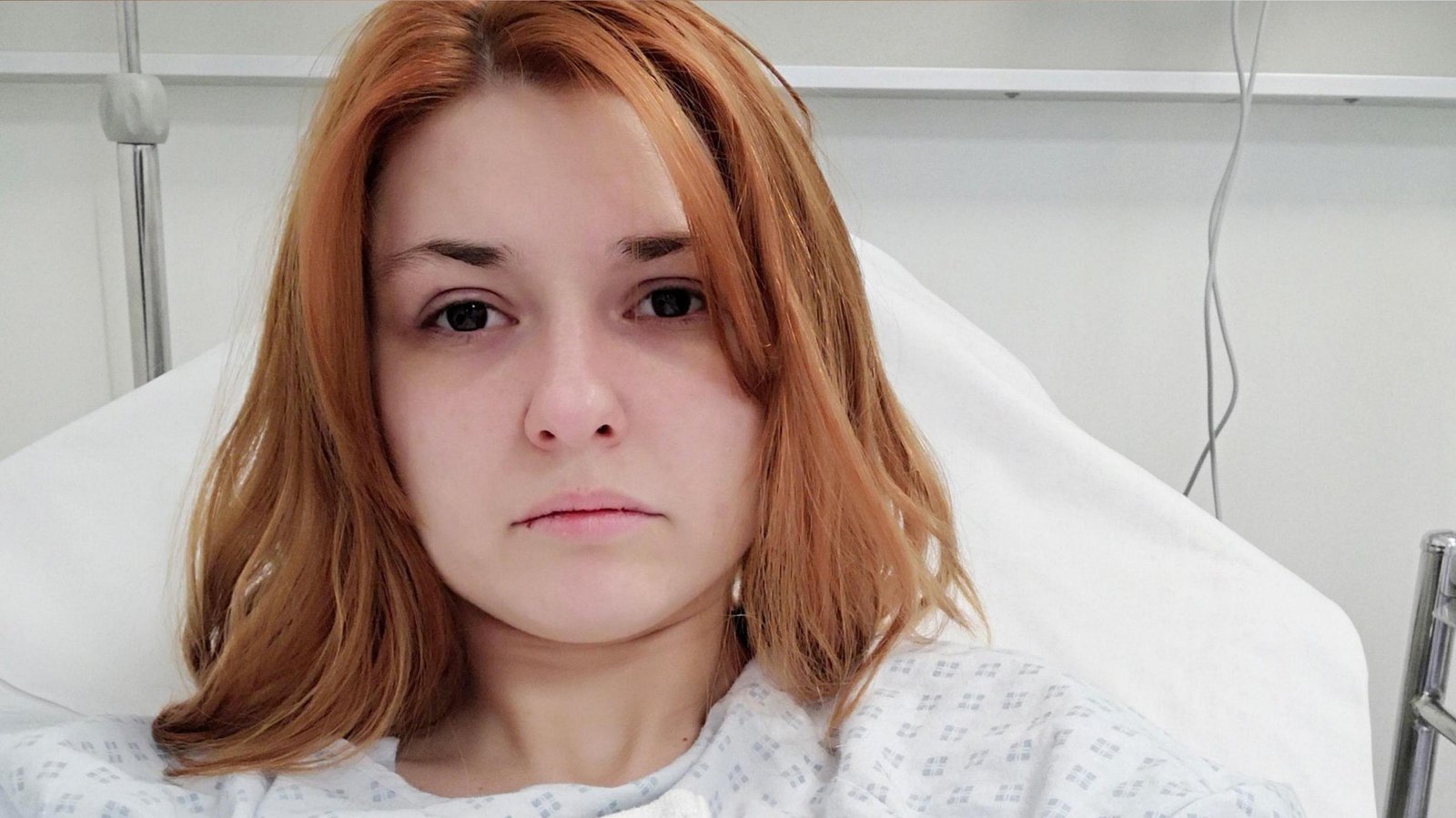
For Christiana Hansen, the pain is relentless. She describes it as a “very, very heavy stabbing pain” that leaves her in tears most days. The 49-year-old from Chatham, Kent, was diagnosed with endometriosis in 2023, five years after her symptoms first appeared. She now relies on a cocktail of medications, including a high-dose painkiller she takes two to four times a day, just to get through.
“I cry all the time, I’m not going to hide that,” she admits. “Sometimes I get so upset and I shut myself up and I cry.” Her experience is far from unique. Endometriosis affects one in 10 women, yet many face years of suffering before receiving a proper diagnosis. The government has acknowledged that waiting times are unacceptable and says it is “determined” to speed things up.
A campaign for change in Medway
Hansen has turned her pain into purpose. Through her health awareness organisation, HEDUCA, she is campaigning for a dedicated wellbeing hub in Medway—a space specifically for women’s and girls’ reproductive health. The hub would offer a safe place to share experiences, as well as fitness facilities, to support both physical and mental wellbeing.
Her motivation comes from her own frustrating journey. When she first visited her GP, she felt dismissed. “They told me it was ‘a woman issue’ and ‘normal’,” she recalls. “But the thing is, no, the pain is not normal. Pain is not normal.” Hansen is determined to change that narrative. “I just want to send a message out there to all women and girls, that they are not alone. We are with them.”
Jessica’s story: 22 visits before diagnosis
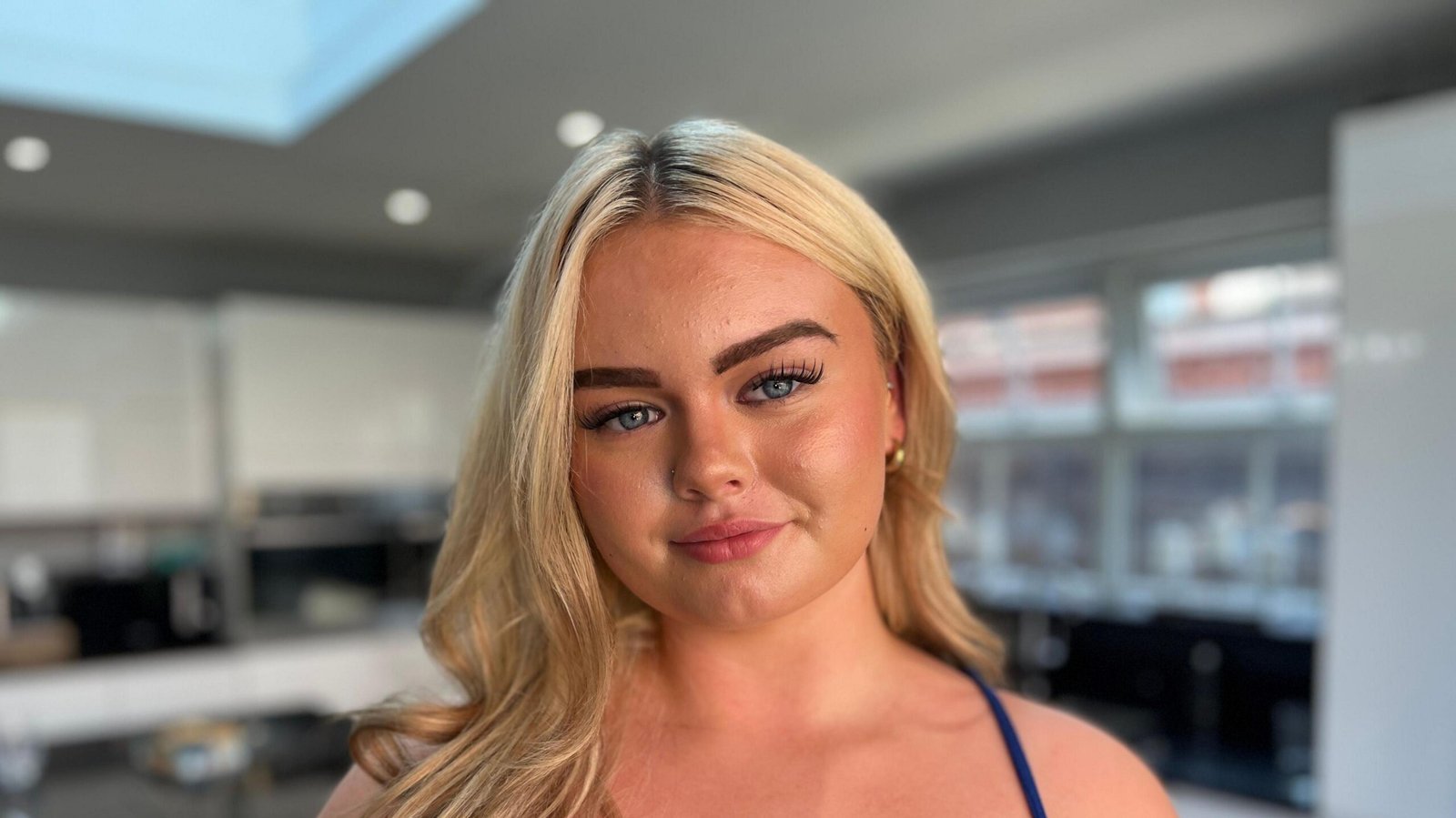
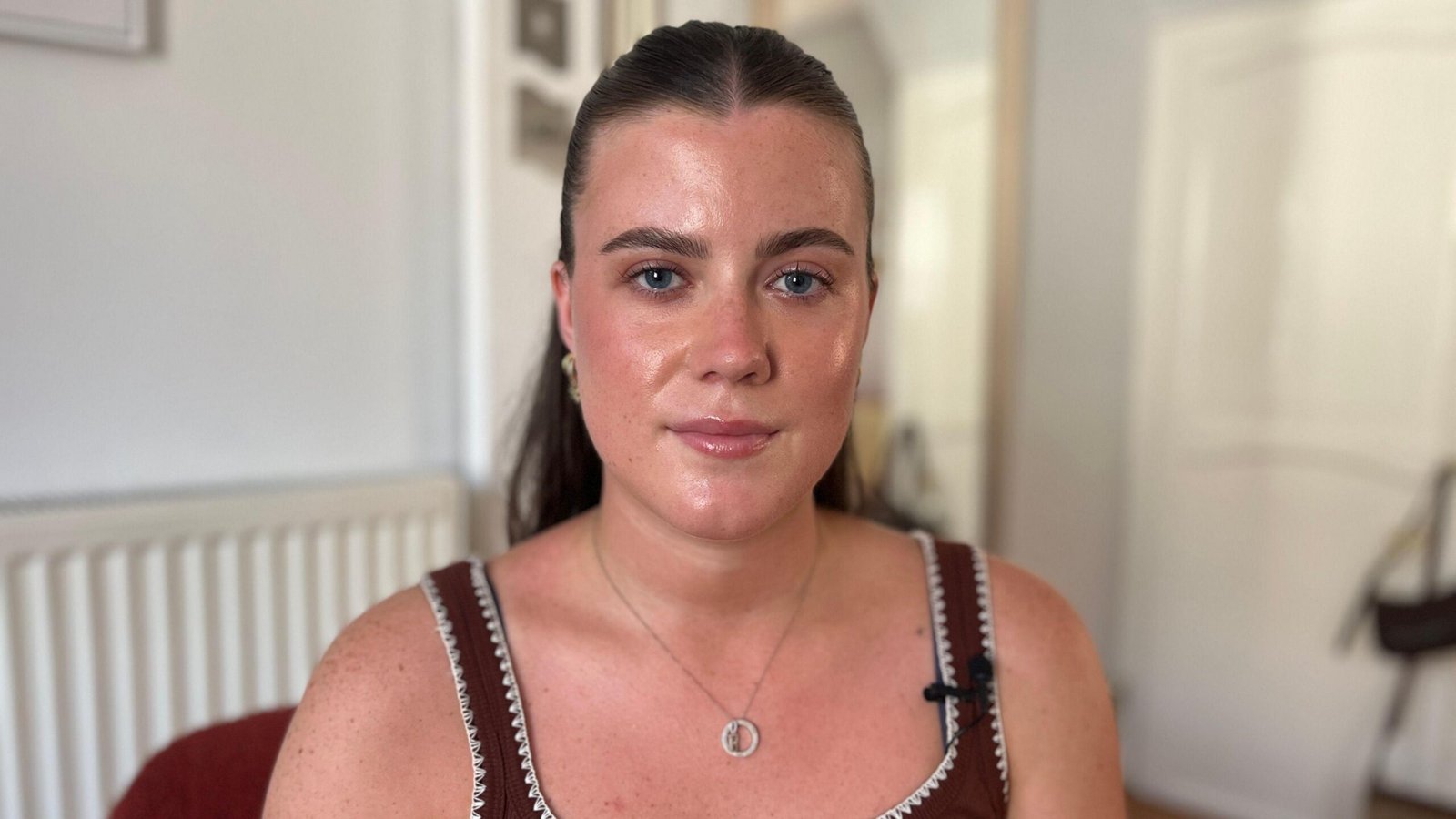
Jessica Lewis, 25, from Broadstairs, knows that feeling of being unheard all too well. She first experienced endometriosis symptoms at 14, but it took 11 years and 22 visits to her doctor before she finally got a diagnosis in 2024, following surgery.
“It is just excruciating. There have been times that I have literally collapsed on my way home from work because I am in agony,” she says. The condition has taken over her life. “It affects every single thing I do day to day, the plans I make. It is just really sad because I feel like a lot of the things I used to really look forward to I would now dread.”
Jessica is calling for fundamental changes in how medical professionals are trained and for more funding for endometriosis care. “I would love for there to be actual change within the NHS in terms of how medical professionals are trained. I would love to see more funding for it,” she adds.
Political support and local action
Hansen’s campaign has gained political backing. Her local MP for Chatham and Aylesford, Tristan Osborne, supports the idea of a dedicated women’s health hub. “We have wellbeing hubs already – I think having one dedicated to women’s and girls’ issues is not only sensible, it is also appropriate,” he said. He added that he would work with Medway and Tonbridge and Malling councils to explore similar provisions.
‘Dismissed too often’ – the official response
The NHS and government have responded to these concerns. A spokesperson for NHS Kent and Medway said: “We recognise the difficulty some women go through, and we are sorry some people are waiting longer than expected for a diagnosis. Our women’s health hubs in Kent and Medway offer support, advice and treatment for women’s health, based on an individual’s needs.”
A Department of Health and Social Care spokesperson was blunt about the failings: “It is unacceptable that so many women are waiting so long for a diagnosis, with their experiences and symptoms dismissed far too often. This government is determined to change that.”
The renewed Women’s Health Strategy aims to cut gynaecology waiting lists and expand surgical hubs, so women can be diagnosed and treated sooner. Additionally, endometriosis will be prioritised through NHS Online, a new online hospital service giving patients access to expert care from home.
Know the symptoms of endometriosis
Endometriosis occurs when cells similar to the lining of the womb grow elsewhere in the body, often affecting organs like the bladder and bowel. Symptoms can vary, but common signs include:
- Severe period pain that stops you doing normal activities
- Heavy periods
- Extreme tiredness
- Pain in the lower abdomen, back, and pelvic area
- Pain when urinating or pooing
- Pain during or after sex
- Pain or bleeding in other areas, including the chest
- Difficulties getting pregnant
- Low mood
If you experience any of these symptoms, it’s important to speak to your GP. While the journey to diagnosis can be long, you are not alone. As Christiana Hansen says, “We are with them.”