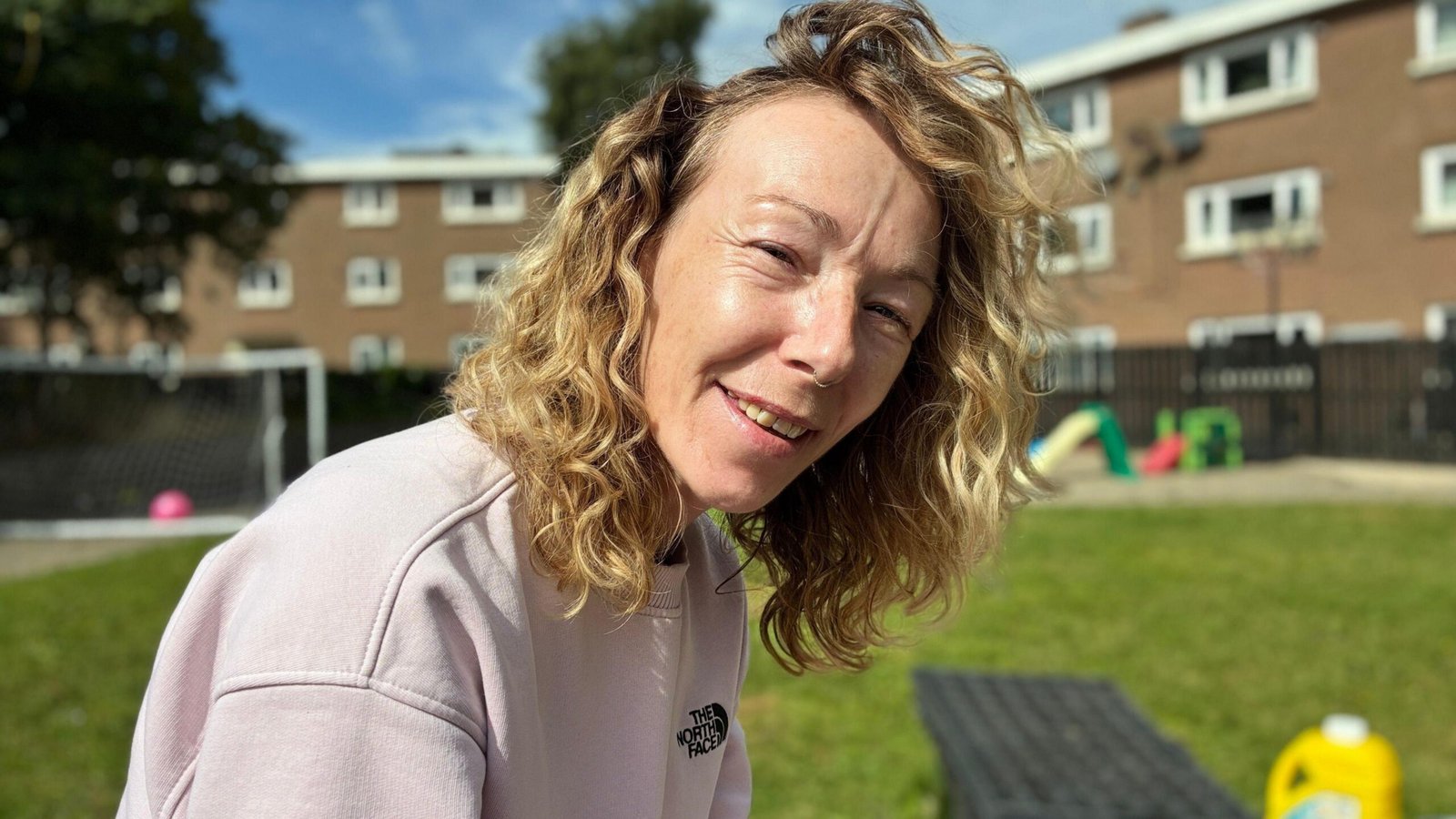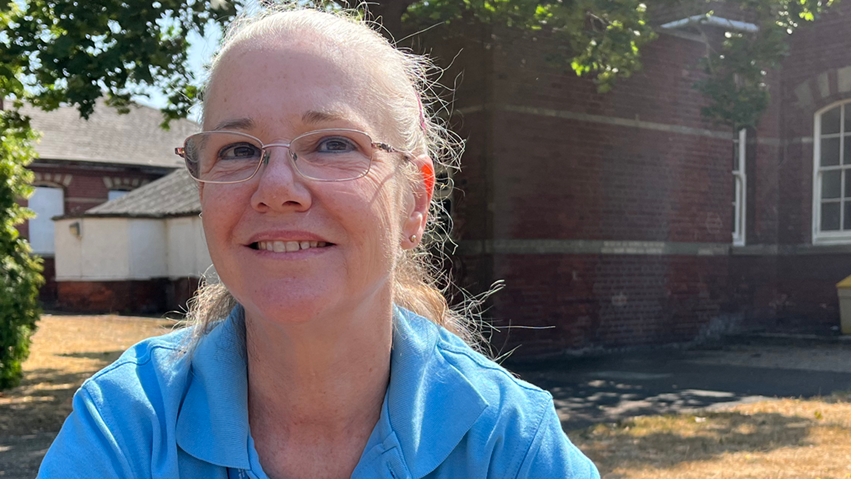
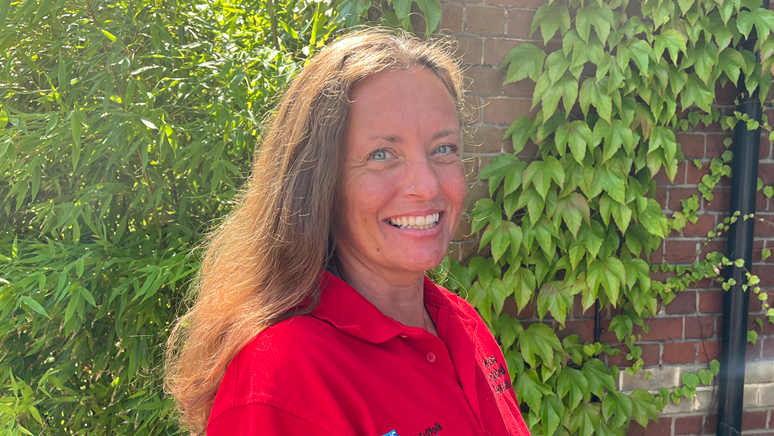
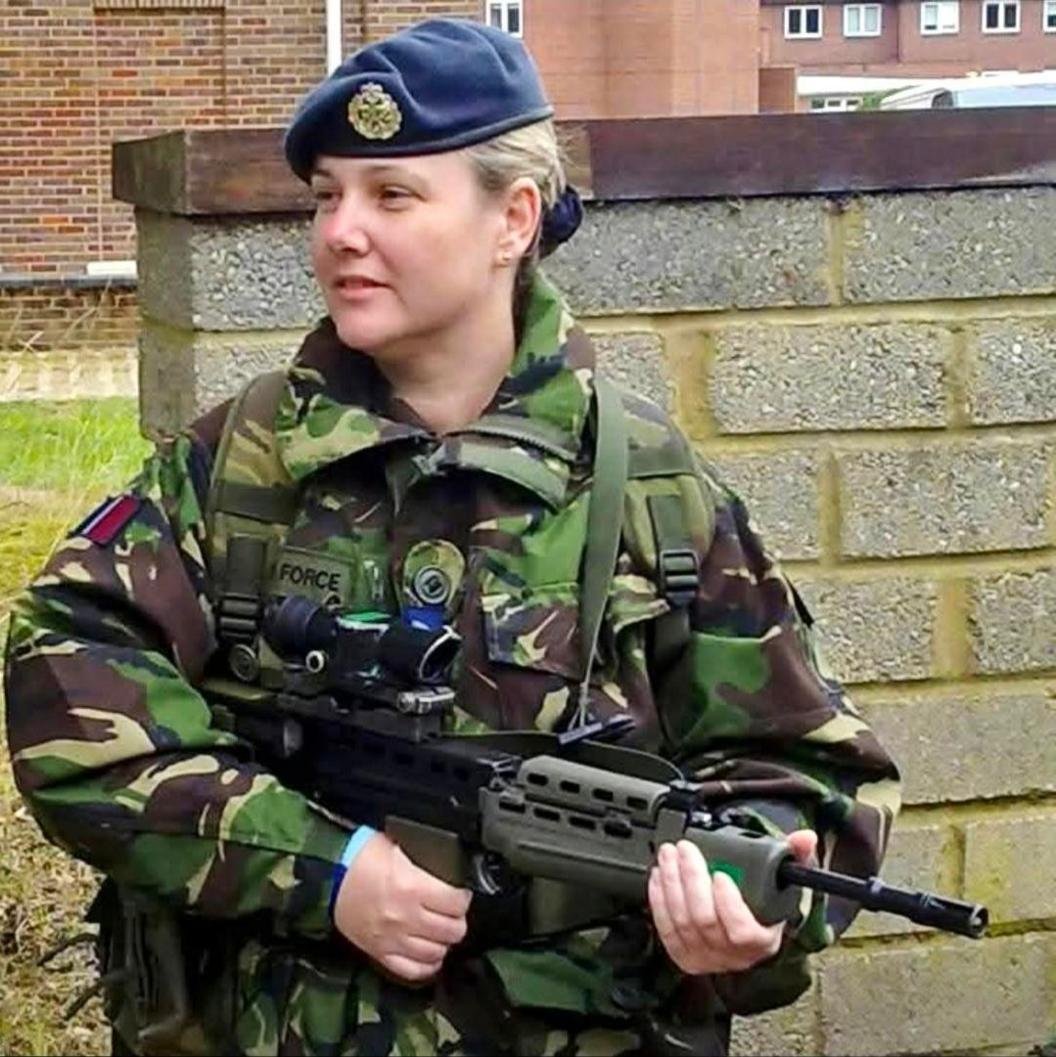
A pioneering mental health support group for female veterans, launched just a year ago in Norfolk, is now being considered as a national model. The service, run by the Norfolk and Suffolk NHS Foundation Trust, has already helped 48 women across the two counties, and its success is drawing interest from other NHS trusts looking to replicate the approach.
The initiative brings together women who have served in the armed forces, offering a safe space to share experiences and access tailored support. Organisers say the demand is clear, and the model could be rolled out more widely to meet the needs of female veterans across the country.
Addressing a Growing Need
Women are an increasing presence in the UK armed forces, yet their specific needs as veterans have often been overlooked. This support group aims to change that by focusing on the unique challenges women face after leaving service, from mental health struggles to practical issues like pensions and menopause.
Clinical nurse specialist Vicki Bailey, who leads the group, has been instrumental in its development. She has also worked with the Ministry of Defence (MOD) to improve support for women both during and after their military careers. Bailey notes that the group’s success has sparked interest from across the country.
“I’ve had people nationally reach out to find out how we’ve done it, what we’ve done, and more people are saying ‘yes, there is a need’,” she said.
Bailey believes that the specific issues faced by female veterans are finally being heard at both government and healthcare levels. However, she acknowledges that more work is needed, particularly for those transitioning out of the forces.
“If you don’t know what’s out there to support you, it’s quite scary and daunting,” she added.
A Safe Space for Shared Experiences
The group meets regularly, providing a supportive environment where women can talk openly about their experiences. Guest speakers cover a range of topics relevant to female veterans, including military pensions and the impact of menopause on mental health.
For many participants, the value lies in connecting with others who truly understand what they’ve been through. The sense of camaraderie and mutual support is a powerful tool in managing mental health challenges.
Personal Stories of Struggle and Recovery
Chelley Tulloch, a former RAF medic, has found the group invaluable. After multiple deployments to war zones, including the Balkans, the Gulf, and Afghanistan, she was diagnosed with post-traumatic stress disorder (PTSD). Her experiences treating injured soldiers in combat zones left lasting scars.
“I just went through a lot of low moods, nightmares, seeing things, hearing things, smelling things, doubting myself, not being able to do things that I could do,” she recalled. “It really does affect the way your brain thinks.”
Tulloch says the group has helped her feel less isolated. She also believes that as more women enter the military, the need for dedicated mental health support will only grow.
“I talk to people in Scotland, I talk to people in Wales, and I’m talking to so many different ladies at the moment about what they’re doing,” she said. “There’s all sorts of different organisations out there now for female veterans, and we are all pulling together.”
National Recognition and MOD Support
The initiative has not gone unnoticed. The MOD has developed a new female veterans toolkit, offering bespoke guidance and support, and has invested in NHS services for veterans. A spokesperson said:
“We owe a debt of gratitude to all those who serve, and since 2024, we have made significant changes to improve mental health support for personnel and veterans – including for the growing number of women in our armed forces.”
Serving personnel can also access a 24-hour helpline and mental health professionals, ensuring support is available around the clock.
Looking to the Future
As the group celebrates its first anniversary, the focus is on expanding its reach and ensuring that every female veteran knows she is not alone. The model developed in Norfolk could soon become a blueprint for other regions, helping women across the UK access the support they deserve.
For women like Tulloch, the difference is life-changing. The group offers not just professional guidance, but a community of peers who understand the unique journey of a female veteran.
With growing recognition of the specific challenges women face, the future looks brighter for female veterans seeking mental health support. The Norfolk group’s success is a testament to what can be achieved when dedicated professionals and resilient women come together.