





Jason didn’t want a “Coke can” – that’s the slang for a penis that’s been overfilled with filler, leaving it looking like a stubby drink can. “Some people go really overboard,” he admits, sitting in a Manchester cafe. His own procedure added 16% more girth, a change he and his partner are thrilled with. “It’s given me a real self-confidence boost,” he says. “Everything still functions as normal – just with that extra bit of width.”
Exactly how many men are opting for penis fillers is unknown. Unlike lip fillers, you can’t gauge the trend by walking down the street. There’s minimal regulation, no official records, and virtually anyone can start offering the procedure. The topic even sparked a bizarre conspiracy theory at the last Winter Olympics, with rumours that male ski jumpers were using fillers to increase the surface area of their suits for longer jumps.
But the reality is that some men have ended up in A&E with penises turning black and skin “sloughing off” after botched procedures. The British Association of Urological Surgeons has issued warnings, yet men are still choosing to undergo this risky treatment. So, what’s driving this demand, and what are the real dangers?
The rise of penis fillers
Jason, who spoke to us anonymously, was happy with his length but wanted “a bit more symmetry” and extra girth for “that nice, balanced look.” He spent a year weighing his options, ruling out surgery. He chose hyaluronic acid fillers because they’re temporary – “if I hated it, it would eventually just dissolve.”
His motivation wasn’t about toxic masculinity. “I don’t subscribe to ‘how big your dick is, is how big of a man you are,'” he explains. Instead, he points to shifting standards of male beauty. “It’s not just women that need to keep up; men need to keep up as well. Society is changing. The media portrays picture-perfect people everywhere you look.”
Clinic websites often tap into these insecurities, asking questions like, “Are you embarrassed by the size of your penis?” A quick search reveals a range of enhancement options, from surgical to non-surgical, using various injectable materials. The most common is hyaluronic acid – the same gel-like substance used in lip fillers. It’s a naturally occurring sugar molecule that acts as a “moisture magnet,” drawing water to add volume.
What does the procedure involve?
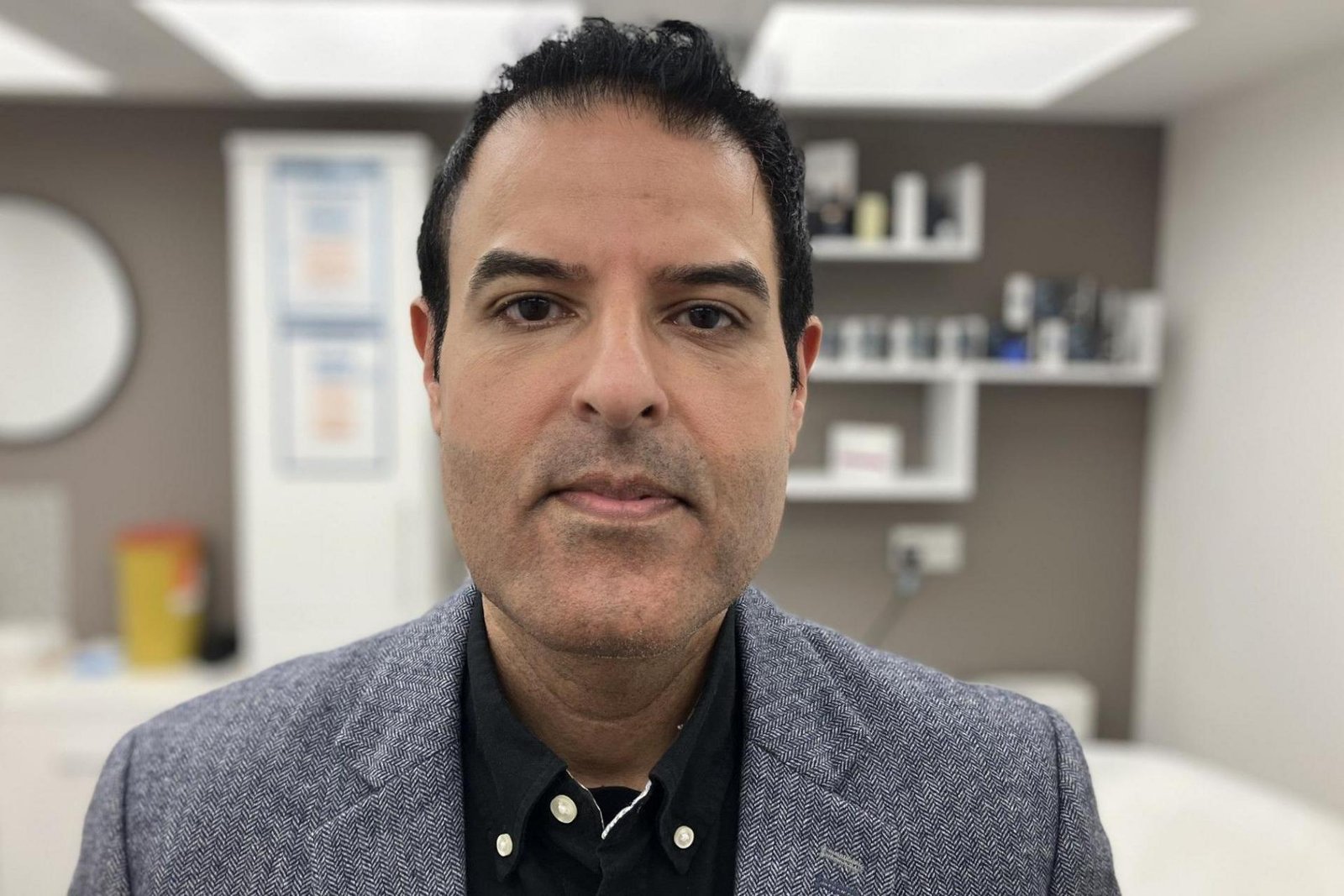
Dr Javed Hussain has been offering penis fillers for over a year at his clinic in Prestwich, Greater Manchester. He trained as a doctor before moving into cosmetics, but legally, no medical training is required to perform this procedure. Demand is growing, he says, with patients ranging from their mid-20s to a 72-year-old.
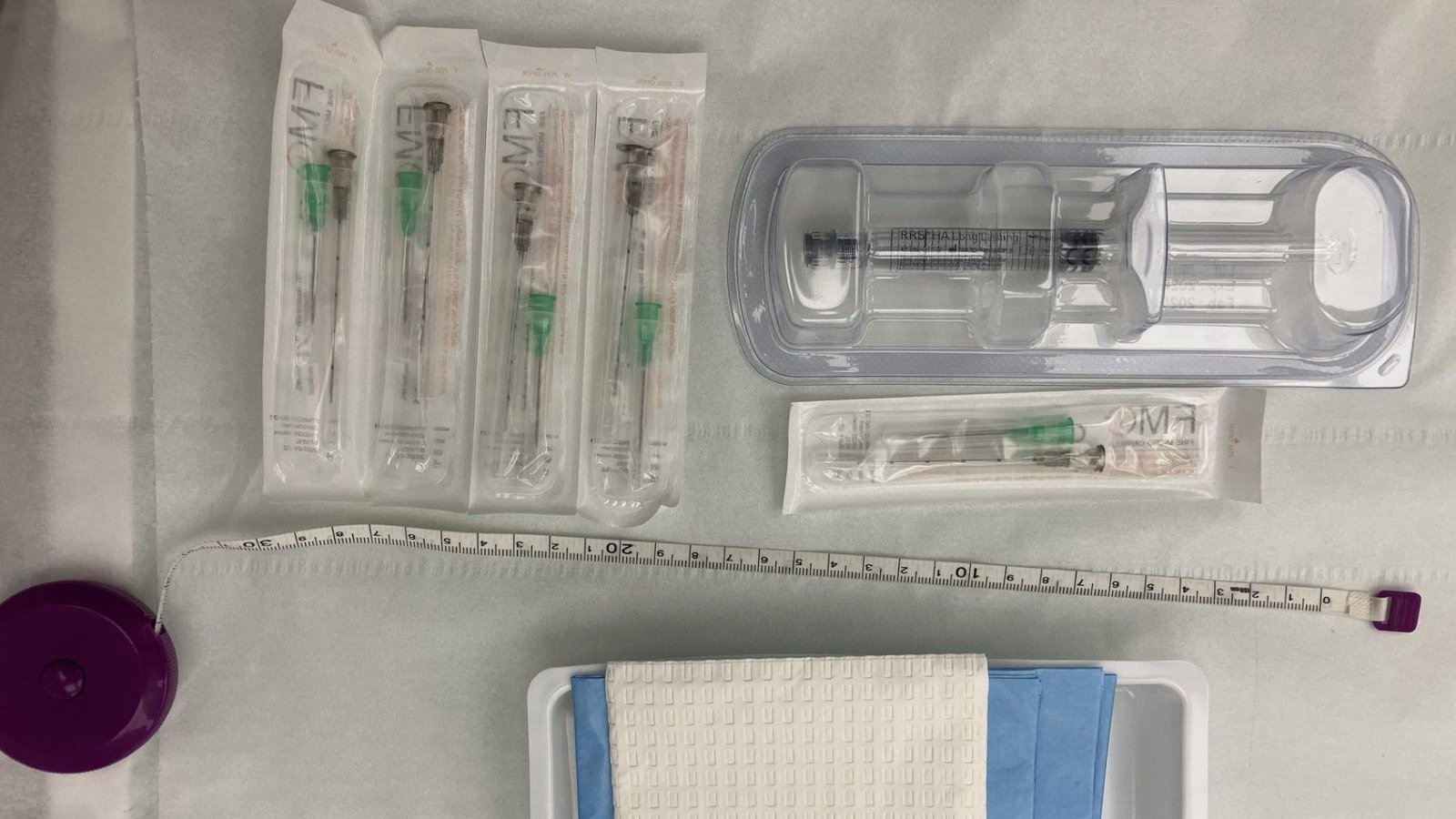
The process begins with a consultation covering health, motivations, expectations, and risks. On the day, the penis is injected with hyaluronic acid in three places – the top and both sides. A cannula enters at the base and travels along the shaft to deliver the filler, which is then massaged for an even look. Patients continue this at home. At a cost of up to £3,500, men can expect a 10% to 20% increase in girth lasting six to nine months.
The risks: from bruising to necrosis
But the risks are significant. Minor issues include soreness, bruising, and uneven results. More serious complications include infection and damage to the vital blood vessels needed for erections. In the worst cases, as Dr Hussain recalls, a patient who had treatment elsewhere came to him with a “shaft of the penis starting to become black” – the filler had damaged blood vessels, and the skin was dying. He was sent straight to A&E.
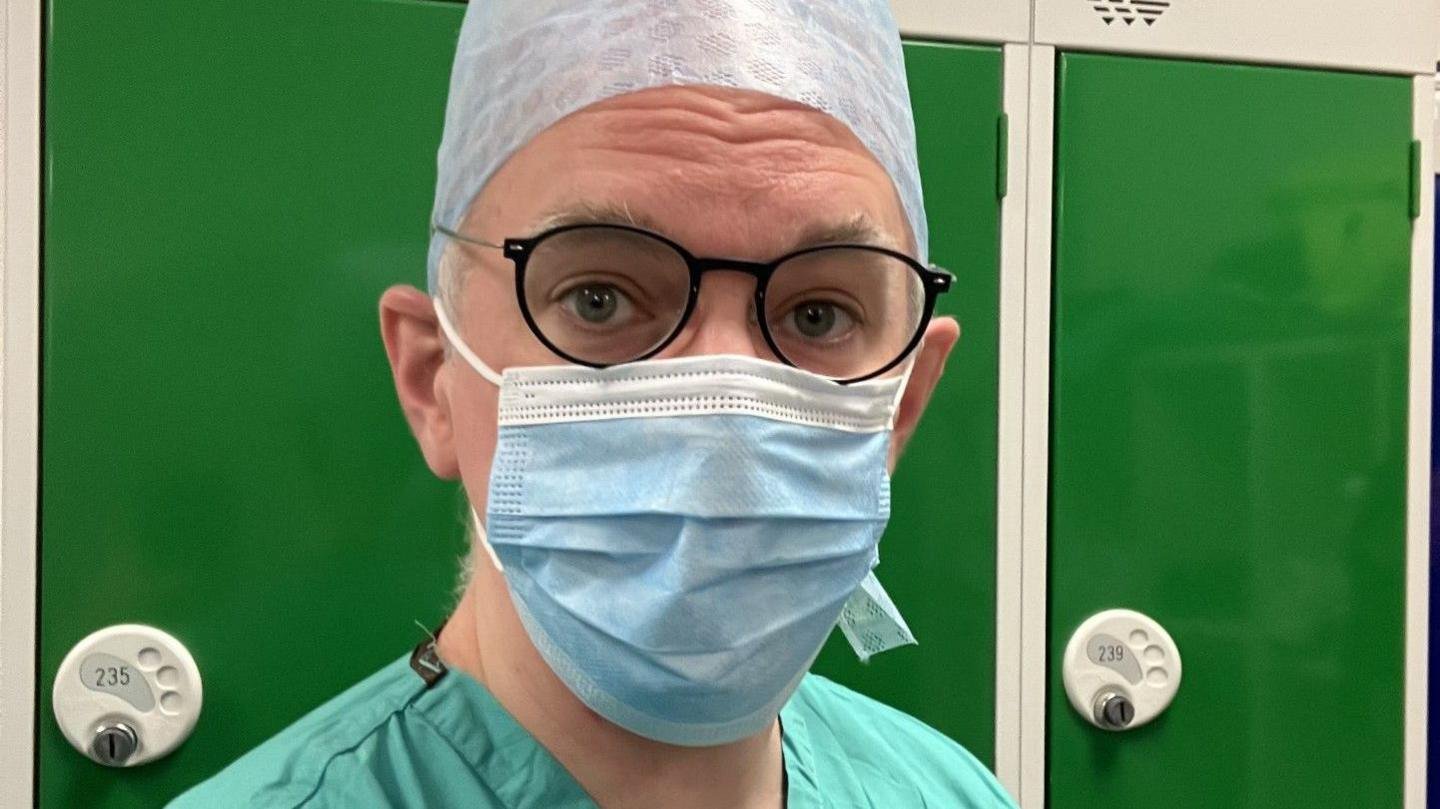
Prof Vaibhav Modgil, an andrologist and consultant urological surgeon in Manchester, has seen these cases firsthand. “When it does happen, it can be devastating,” he says. “Men come in thinking it’ll be brilliant, but they might come out even more dissatisfied. I’ve seen skin necrosis – where the skin turns black and sloughs off.”
Alex’s story: a cautionary tale
Alex, who asked to remain anonymous, travelled to Germany for a different enhancement procedure. He had the ligament connecting his penis to the pubic bone cut to add length, and his own fat cells injected for girth. When he woke up, the pain was so severe he couldn’t stand. “I had massive bruising, and my upper legs turned yellow. I couldn’t walk properly for a month.” He was eventually treated by Prof Modgil’s team and given the all-clear, but he knows he was lucky. “Many people don’t get that luxury. I got off lucky.”
Alex admits he was “never small in the first place,” but societal and porn-driven ideals convinced him bigger was better. “I thought a bigger penis was more masculine and the best.”
The lack of evidence and the call for regulation
Despite the growing popularity, there’s a shocking lack of long-term data. Prof Modgil points to online search trends, advertising, and social media as evidence that numbers are rising. This prompted the British Association of Urological Surgeons to issue new guidance. “We cannot recommend that any of these procedures take place because the evidence is so poor,” says Modgil. The guidance reviewed 36 studies involving 3,750 men but still couldn’t establish a clear safety profile.
Part of the problem is that no qualifications are needed to perform these procedures. Modgil stops short of calling for a ban – “that’s probably too severe” – but insists the industry “massively needs regulation.” He advocates for a national registry to record procedures and collect long-term data, so men can make informed decisions.
Why do men still choose it?
Back in Manchester, Jason is happy with his results and plans to repeat the procedure when the fillers wear off. He sees it as a personal choice that boosts his confidence. “If you feel like it’s a bit lacking, then why not?”
But for every satisfied customer, there are others like Alex, who ended up in pain and regret. The lack of regulation means the risk is unpredictable. As Prof Modgil warns, “Men go in thinking it’s going to be brilliant, but they might come out even more dissatisfied than when they went in.”
The decision to undergo any cosmetic procedure is deeply personal, but with penis fillers, the stakes are uniquely high. The potential for permanent damage – physical and psychological – is real. Until regulation catches up, men are navigating a minefield with little guidance and even less accountability.