


When temperatures climb, your body reacts in ways that can feel terrifying—especially if you already live with anxiety. The sensation of hot air entering your lungs can trigger a primal alarm: “Something’s different, therefore something’s bad,” even when you know, logically, that nothing is wrong.
New research from Oxford University confirms what many have long suspected: hot weather and high temperatures can directly trigger anxiety and worsen mental health conditions. For Lauren Murphy, a 34-year-old from Southampton, this summer has been the most difficult yet.
Lauren lives with anxiety and agoraphobia—a condition defined by an intense fear of feeling trapped or unable to escape. When the heat rises, it sets off a cascade of physical sensations that mimic panic: a racing heart, a tight chest, and the overwhelming feeling that she cannot breathe.
“When it’s hot, the air feels different in your lungs,” she explains. “Your brain just starts going, ‘Something’s different—and therefore bad’ even though it’s not.”
That disconnect between what your body is telling you and what your rational mind knows is at the heart of heat anxiety. It creates a feedback loop that can be incredibly hard to break.
Why Heat Feels Like Panic
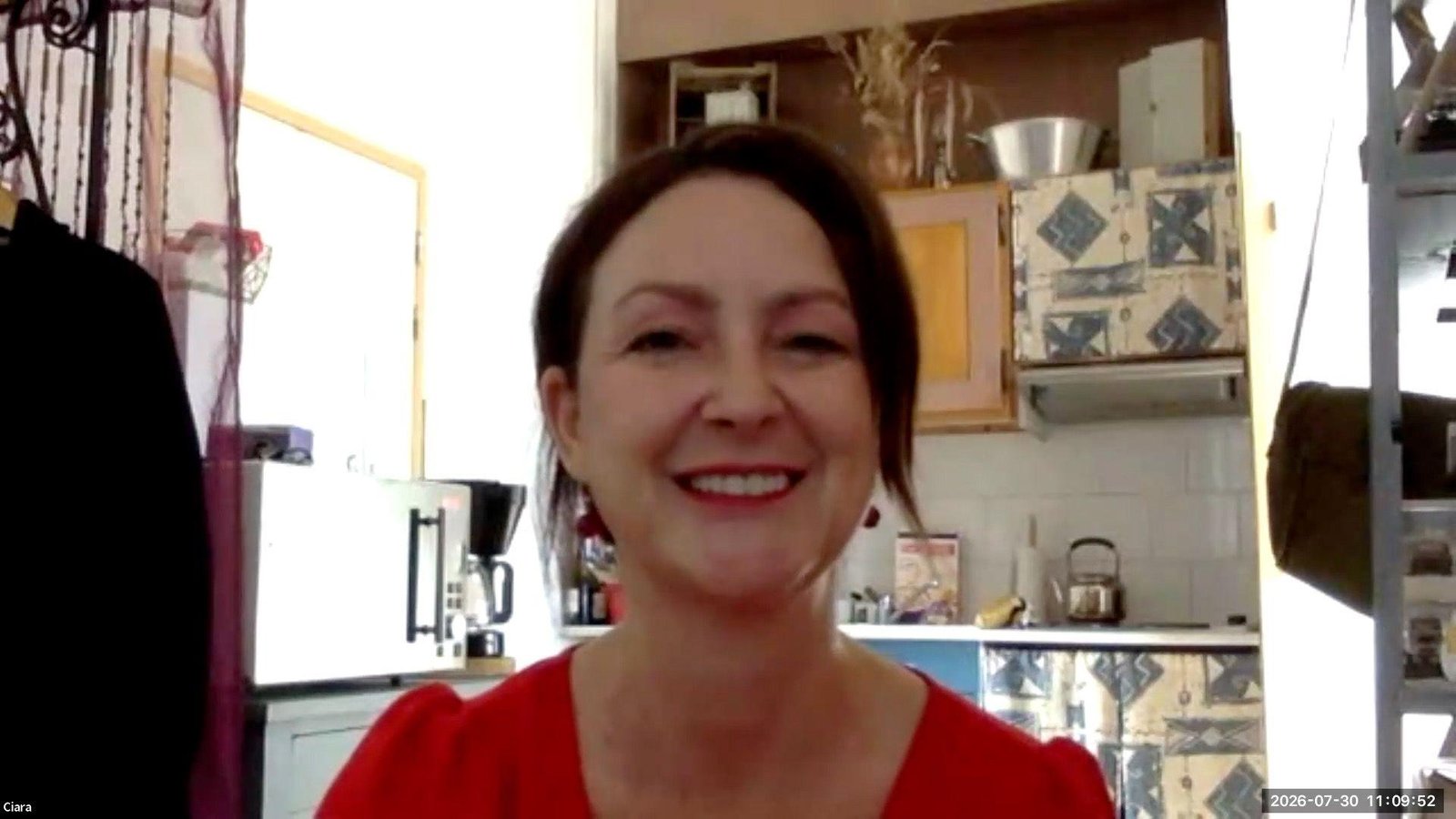
Professor Ciara McCabe, a neuroscience and mental health expert at the University of Reading, says the overlap between heat stress and anxiety is no coincidence.
“Heat stress might feel like anxiety because they share the same physiological response,” she explains. “Your heart rate increases, you sweat more, you breathe faster. These are all normal responses to heat, but if you’re prone to anxiety, your brain interprets them as danger signals.”
The result is a vicious cycle: the heat causes physical symptoms, those symptoms trigger anxious thoughts, and the anxious thoughts amplify the physical symptoms. Professor McCabe warns that as heatwaves become more frequent, more people will find themselves caught in this loop.
The Body’s Alarm System
For Lauren, the physical sensations are the hardest part. “Your heart might be beating faster, you’re sweating more, and all of that feels so alarming when you’re anxious,” she says. “You end up overthinking every single sensation, even if it’s a regular everyday occurrence.”
That hyper-awareness is common among people with health anxiety. “When you’re an anxious person, especially with health anxiety, you’re so much more in tune with your body,” she adds. “Every flutter, every ache, every change in your breathing becomes a potential threat.”
Lauren’s Story: From Holiday Panic to Home Heatwaves
Lauren has dealt with anxiety for about a decade, but she noticed it worsened significantly after becoming a parent and being diagnosed with ADHD. The heat, however, added a new dimension to her struggles.
She first realised heat was a trigger during a holiday abroad a few years ago. The high temperatures made her feel like she couldn’t breathe, and the panic was overwhelming. When similar conditions arrived in the UK, those fears came rushing back.
“It really brought it all back,” she says. “This year has probably been the worst.”
The UK has already experienced multiple heatwaves this year, with a drought declared across large parts of England and all of Wales. For Lauren, each new heatwave means another round of heightened anxiety.
“It’s like anxiety’s the main character and you’re the ensemble,” she says. “You’re just along for the ride, trying to keep up.”
The Scale of Climate Anxiety
Lauren is far from alone. A 2022 study from the University of Bath estimated that about 4.6% of people in the UK experience climate anxiety—a form of mental distress now recognised by professional bodies and the NHS. A 2025 study found that young people and women are among the groups most at risk.
Climate anxiety can manifest in different ways. For some, it’s a chronic worry about the future of the planet. For others, like Lauren, it’s the immediate physical and emotional response to extreme heat events.
Who Is Most Affected?
Research suggests that people with pre-existing mental health conditions, particularly anxiety disorders, are more vulnerable to heat-related psychological distress. Parents, caregivers, and those with ADHD or autism may also be more sensitive to the sensory overload that comes with high temperatures.
Professor McCabe notes that the growing frequency of heatwaves means more people will be exposed to these triggers. “The more heatwaves we have, obviously more and more people are going to experience this,” she says.
How to Cope With Heat Anxiety
Lauren has developed a toolkit of strategies that help her manage when the temperature rises. Here’s what works for her—and what experts recommend.
Grounding Techniques
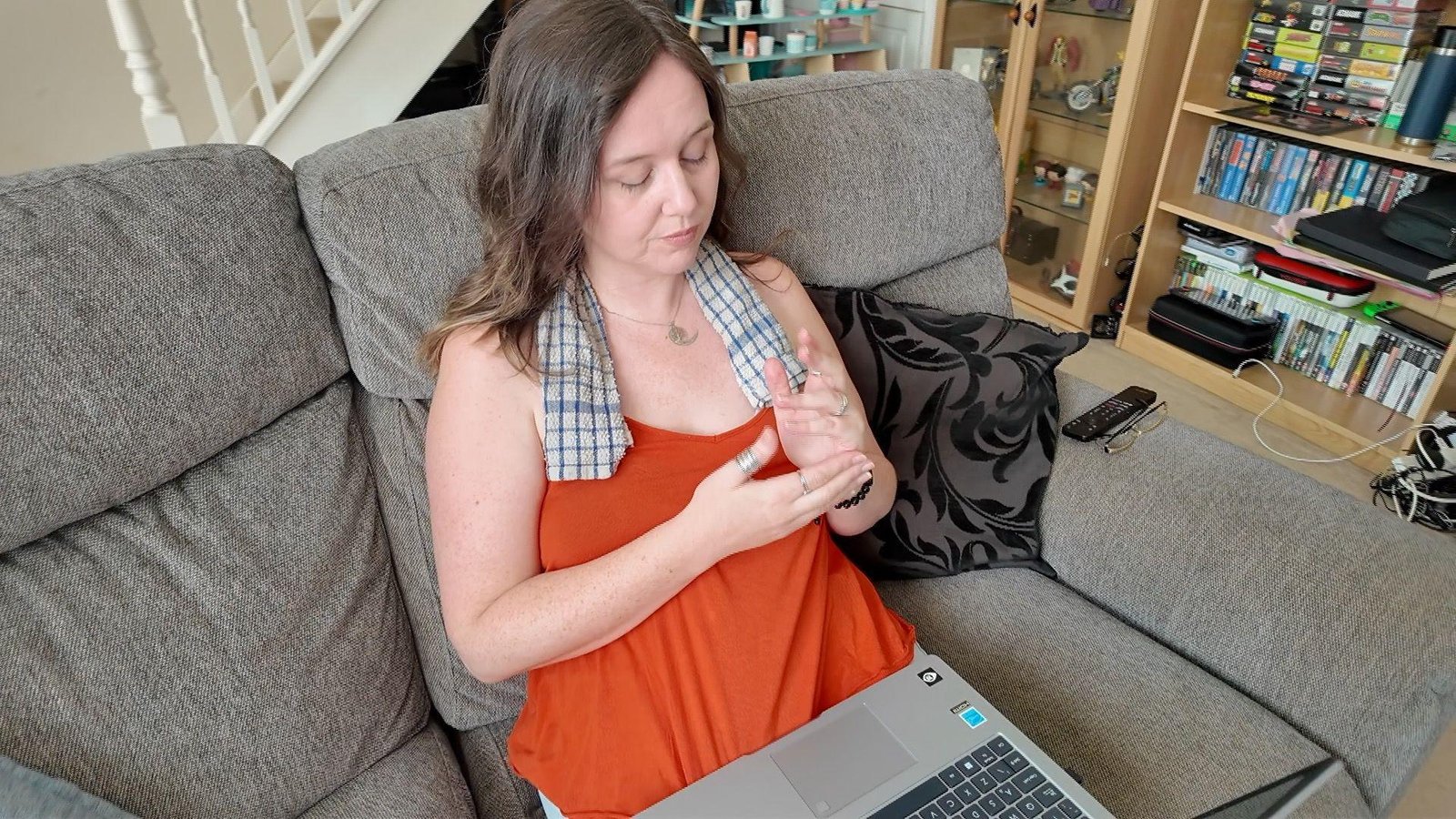
Lauren swears by rhythmic tapping to bring herself back to the present moment. “Tapping helps ground me,” she says. “It gives my brain something physical to focus on other than the panic.”
You can try tapping your fingers on your thigh, tapping your foot, or using a gentle rhythmic motion on any part of your body. The key is to focus entirely on the sensation.
Journaling to Slow Down
“Journaling helps—your mind can think so much faster than you can write,” Lauren explains. “Writing slows everything down.”
When anxiety is spiralling, putting pen to paper forces your brain to organise its thoughts. It can be as simple as writing down what you’re feeling, what you’re worried about, and what you know to be true.
Breathing Exercises and Yoga
Controlled breathing can help regulate your nervous system. Try inhaling for four counts, holding for four, and exhaling for six. Yoga, even just a few gentle stretches, can also help release physical tension.
Spending Time in Nature
Being outdoors, even in the heat, can be calming if you find the right spot. Seek out shade, water, or green spaces. Lauren finds that being in nature helps reset her perspective.
Lean on Support Systems
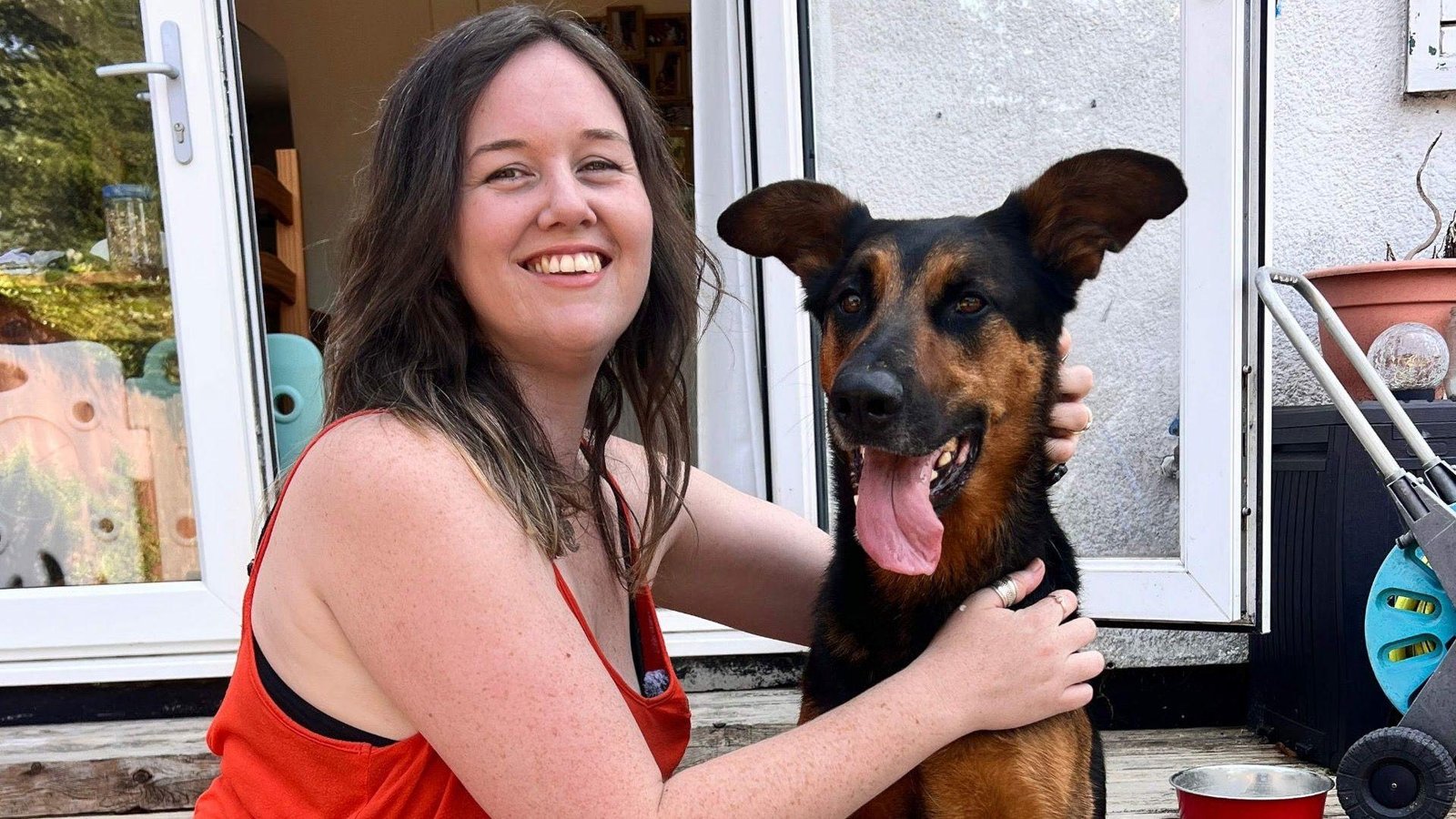
Lauren’s seven-year-old rescue dog, Diego, often senses when she’s about to panic and rests his head on her. That physical connection helps ground her. Whether it’s a pet, a friend, or a family member, having someone—or something—to anchor you can make a huge difference.
Practical Tips for Managing Heatwaves
Beyond psychological strategies, there are practical steps you can take to reduce the physical stress of heat:
- Stay hydrated by drinking water regularly, even if you don’t feel thirsty.
- Use fans, cool showers, or damp cloths to lower your body temperature.
- Close curtains during the hottest part of the day to keep rooms cooler.
- Avoid strenuous activity during peak heat hours.
- Wear loose, light-coloured clothing.
- Check on vulnerable friends and relatives.
When to Seek Help
If heat anxiety is interfering with your daily life, it’s important to reach out for support. The NHS offers talking therapies, and your GP can point you toward resources that might help.
Lauren’s advice to anyone struggling is simple: ask for help. “I always underestimate my ability to cope,” she says. “But being brave isn’t the absence of fear. It’s having that fear and doing it anyway.”
If you or someone you know is struggling with anxiety, organisations like Mind, Anxiety UK, and the Samaritans offer confidential support and advice.