A fatal outbreak of salmonella food poisoning has struck the UK, with one person losing their life and more than two hundred others falling ill. Health experts suspect the source may be food prepared with imported eggs, and a formal investigation is now underway to trace the origin and prevent further infections.
The UK Health Security Agency (UKHSA) has reported 207 confirmed cases over the past year, with a significant surge in recent weeks. The outbreak has affected people of all ages, from babies to individuals in their nineties, and over a third of those infected have required hospital care. In two severe instances, patients developed blood poisoning, a serious complication that can be life-threatening. While most people recover without specific treatment, the scale and severity of this incident have prompted urgent public health action.
What Is Salmonella and How Does It Spread?
Salmonella is a group of bacteria that commonly causes foodborne illness. It thrives in a variety of foods, particularly raw or undercooked poultry, meat, and eggs. The bacteria can also be present on surfaces, utensils, and hands if proper hygiene is not maintained during food preparation.
Infection typically occurs when contaminated food is consumed, but it can also spread through cross-contamination in the kitchen or via the faecal-oral route, for instance when someone does not wash their hands after using the bathroom. The UKHSA notes that while sporadic cases of salmonella occur throughout the year, this outbreak is distinctive because it involves a single, identical strain of the bacterium affecting many people simultaneously.
Recognising the Symptoms
Symptoms of salmonella infection usually appear between 12 and 72 hours after exposure. Common signs include:
- Stomach cramps
- Diarrhoea, which can be severe and sometimes bloody
- Vomiting
- Fever
- Headache
Most people begin to feel better within four to seven days without medical intervention. However, vulnerable groups—such as infants, the elderly, pregnant women, and those with weakened immune systems—are at higher risk of complications like dehydration or bloodstream infections. If you or someone you know experiences severe symptoms, prolonged illness, or signs of dehydration, it is important to seek medical advice promptly.
The Outbreak in Numbers
According to the UKHSA, the majority of cases have been recorded in England, with 199 out of 207 total infections. London has seen 47 cases, while Yorkshire and Humber have reported 38. The remaining cases are distributed across the UK: six in Scotland, one in Wales, and one in Northern Ireland.
Health officials believe the true number of infections may be higher, as some people who become unwell may not seek medical attention or may not be tested. The UKHSA is therefore preparing for additional cases to emerge as the investigation continues.
Investigation Points to Imported Eggs
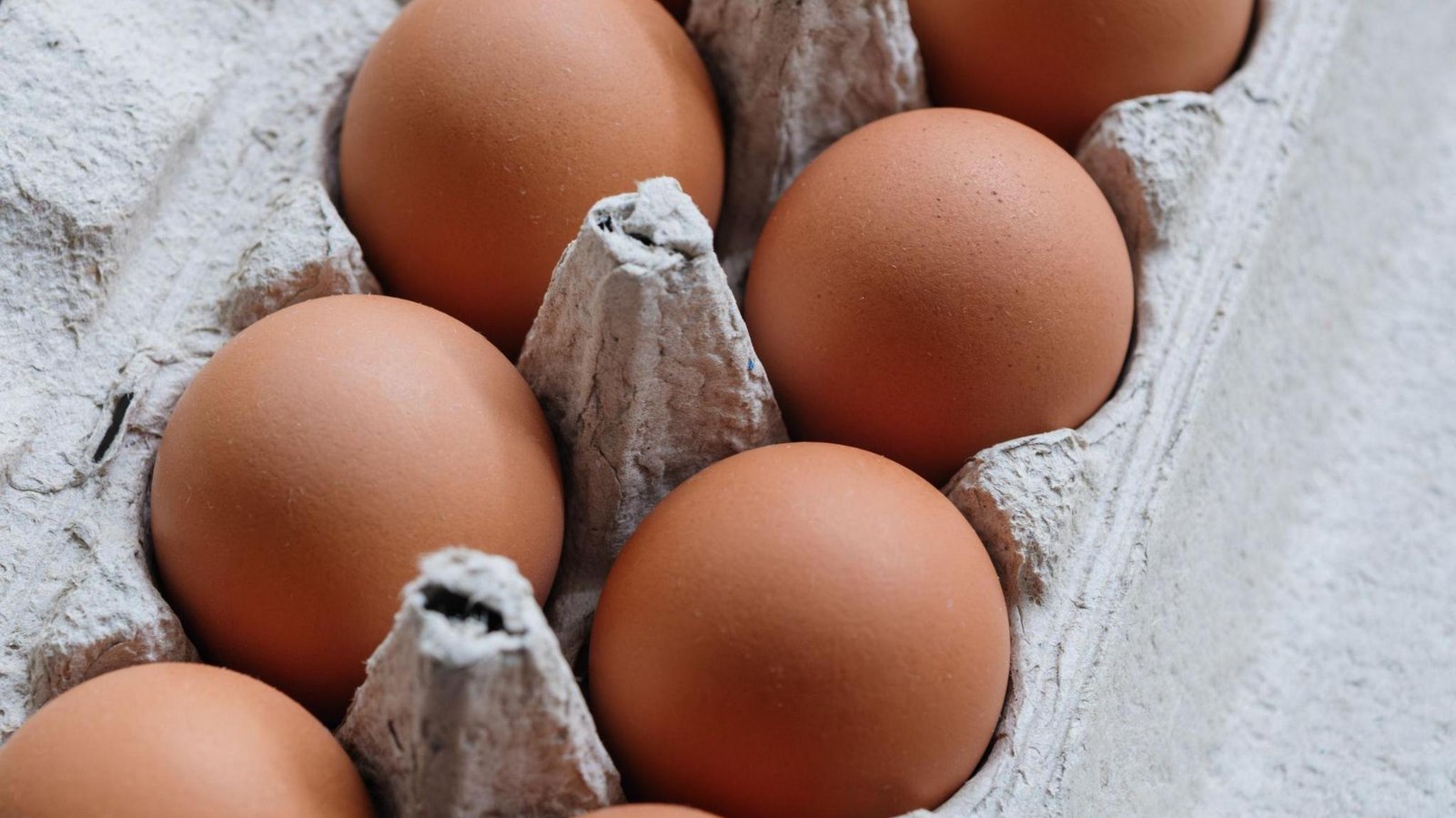
Hannah Charles, lead epidemiologist for gastrointestinal infections at UKHSA, stated: “We’re working with the Food Standards Agency and other public health agencies to investigate a salmonella outbreak that may be linked to eggs imported from outside of the UK.”
Epidemiological and food chain investigations are ongoing, but egg consumption remains the strongest lead. Notably, many of those affected reported eating out rather than consuming food prepared at home. Of the 24 cases linked to specific food businesses, several establishments are known to use imported eggs.
At this stage, the UKHSA has emphasised that there is no identified link to UK-produced eggs or poultry. This is reassuring for domestic producers, but it also highlights the potential risks associated with imported products that may be subject to less stringent regulations.
Why Are Imported Eggs a Concern?
The British Egg Industry Council has pointed out that hens in the UK are subject to mandatory salmonella vaccinations, which significantly reduce the risk of infection. However, increasing volumes of imported eggs are arriving in Britain from countries where such vaccination programmes may not be enforced.
Nick Allen, chief executive of the British Egg Industry Council, expressed concern about the growing reliance on imports produced under “less stringent regulations.” He suggested that this could be a contributing factor to the current outbreak.
While not all imported eggs are unsafe, the lack of uniform standards across different countries creates potential vulnerabilities in the food supply chain. The UKHSA and Food Standards Agency (FSA) are working to identify the specific source and will implement additional precautions if necessary.
Safety Advice for Consumers
Jacquelyn McCormick, Head of Incidents at the Food Standards Agency, reassured the public that eggs which are thoroughly cooked and handled hygienically should not present a food safety risk. She offered the following advice:
- Always cook eggs until both the white and yolk are solid.
- Avoid consuming raw or runny eggs, especially if you are in a high-risk group.
- For infants, young children, pregnant women, and older adults, only consume runny or raw eggs if they bear the British Lion mark or are produced under the Laid in Britain assurance scheme.
- Wash hands thoroughly with soap and water after handling eggs, eggshells, or egg packaging.
- Clean and disinfect any surfaces or utensils that come into contact with raw eggs.
These simple precautions can significantly reduce the risk of infection, whether at home or when dining out.
What to Do If You Feel Unwell
If you experience symptoms of salmonella, the UKHSA advises contacting your GP or out-of-hours service in the first instance. Do not visit a healthcare facility without calling ahead, as this helps prevent the spread of infection to other vulnerable patients.
Stay hydrated by drinking plenty of fluids, and consider oral rehydration solutions if diarrhoea is severe. Over-the-counter medications may help, but it is always best to consult a healthcare professional before taking anything, especially for children or older adults.
Most people recover without specific treatment, but in severe cases, antibiotics may be required. If you have been diagnosed with salmonella, it is important to practice good hygiene to avoid passing the infection to others. This includes washing your hands frequently, not preparing food for others, and staying away from work or school until you have been symptom-free for at least 48 hours.
Advice for Food Businesses
For restaurants, cafes, and other catering outlets, the FSA has reminded operators to adhere to strict food safety protocols. This includes:
- Using pasteurised eggs or eggs from assured sources for dishes that require raw or lightly cooked eggs.
- Ensuring eggs are stored at the correct temperature and away from ready-to-eat foods.
- Implementing robust handwashing procedures for staff.
- Regularly cleaning and disinfecting food preparation areas.
Dr Kathleen O’Reilly from the London School of Hygiene and Tropical Medicine also recommends that consumers check food hygiene ratings before choosing where to eat. These ratings provide an indication of how well a business manages food safety, and opting for higher-rated establishments can reduce the risk of foodborne illness.
The Bigger Picture: Salmonella in the UK
Thousands of cases of salmonella food poisoning occur in the UK every year, caused by a variety of strains. However, outbreaks linked to a single strain affecting many people at once are relatively rare. This particular incident has drawn attention because of its scale and the potential link to imported eggs.
The UKHSA is conducting “extensive” epidemiological and food chain investigations to identify the exact source. While the risk to the general public remains low, the agency has stated that any additional precautions or preventative measures will be implemented if needed.
In the meantime, consumers are urged to remain vigilant and follow the safety advice provided. By cooking food thoroughly, practising good hygiene, and being mindful of where ingredients come from, the risk of infection can be minimised.
As the investigation progresses, further updates are expected. For now, the message from health officials is clear: stay informed, stay safe, and take food safety seriously.