I’ve never been shy in front of a camera—well, at least not when I’ve had time to find my best angle and apply a flattering filter. But standing in nothing but my underwear while 70 cameras whirr around me is a completely different story.
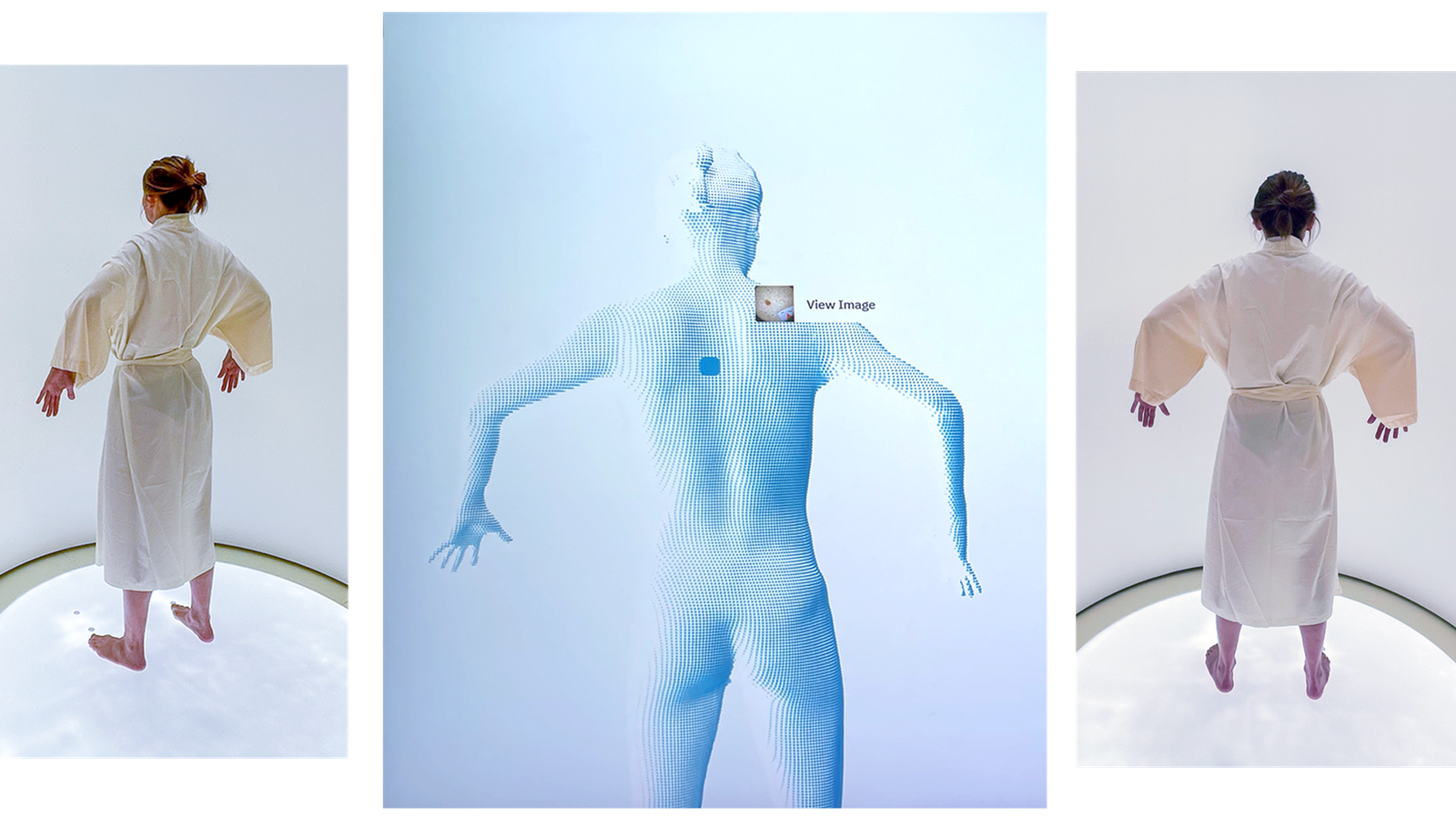
A robotic voice instructs me to stay perfectly still and close my eyes. I’m positioned inside a massive curved scanner, classical music playing softly in the background. Then, with a flash, 2,000 photographs capture every inch of my skin—every freckle, mole, and mark—to be analysed for signs of skin cancer.
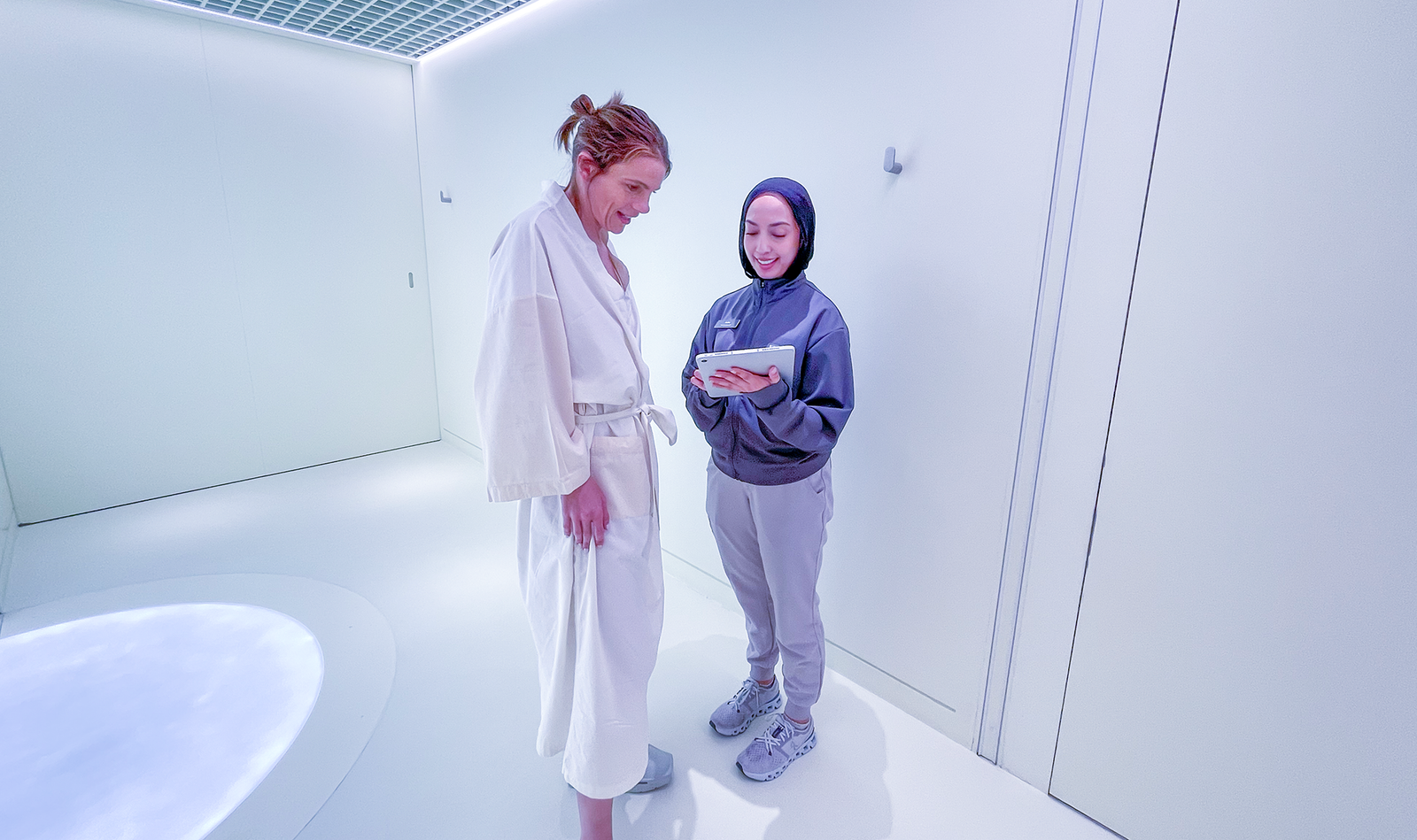
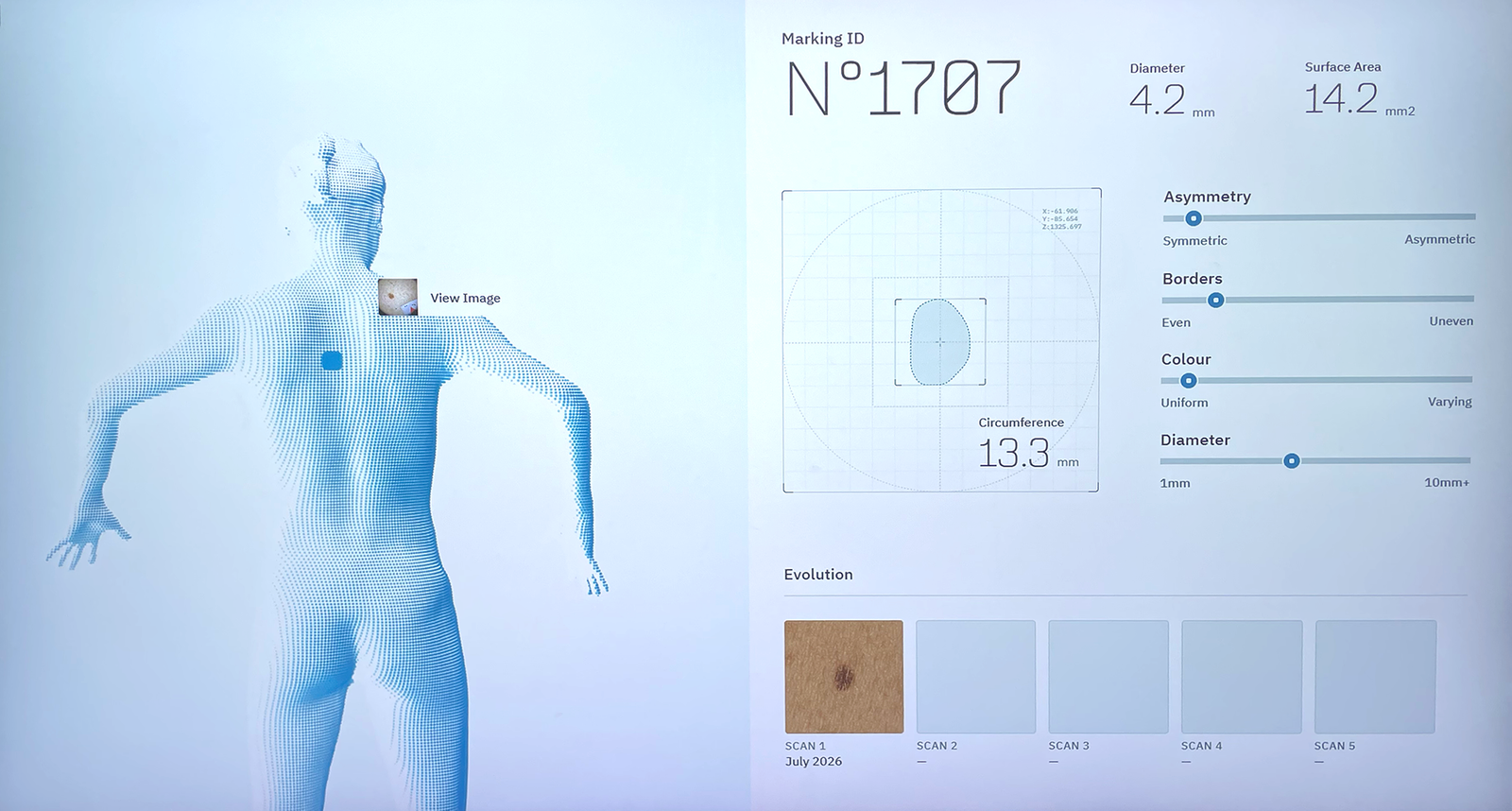
This is the scene at a futuristic clinic in Manchester city centre. I’m wearing a dressing gown and hexagonal rubber slippers, about to undergo a full-body health MOT that uses artificial intelligence to create a 3D avatar of my body from millions of data points.
Over the past two years, these health MOTs have exploded in popularity. People are shelling out hundreds or even thousands of pounds for a comprehensive check-up, and companies like Prenuvo, Ezra, and Neko Health have raised millions in venture capital to meet the demand.
While Prenuvo and Ezra offer whole-body MRI scans, I’ve opted for Neko Health, which is less invasive and comes with a more accessible £299 price tag. There’s currently a waiting list of 100,000 people eager to try it.
What the Full Body Scan Checks
The scan screens for a wide range of conditions, including skin cancer, cardiovascular disease, type 2 diabetes, eye conditions like glaucoma, and kidney and blood disorders. I don’t have any symptoms, but the thought lingers: what if they find something? I’ll get to that shortly.
The body scan industry sees itself as a new frontier in healthcare, catching diseases before they fully manifest. But there’s plenty of scepticism about how beneficial these scans really are for otherwise healthy individuals.
My social media feeds are flooded with videos of enthusiastic clients filming themselves in scan machines, getting blood drawn, and testing their grip strength. It’s become a trend, a wellness status symbol.
Hjalmar Nilsonne, co-founder of Neko Health, wants to make this kind of preventive care available to everyone, not just those who can afford it.
“While medicine has progressed so much over the past century, primary care is still very basic. Why wait until we see symptoms?” Nilsonne says. “The data is super clear—prevention is preferable to cure.”
However, GPs and doctors within the NHS are more cautious. NHS England has warned that the popularity of these scans is leading to more “over-diagnosis, unnecessary investigations, and avoidable anxiety.”
To get a balanced view, I spoke to two women whose experiences with the scan were polar opposites.
‘My Cancerous Skin Marks Were Missed’
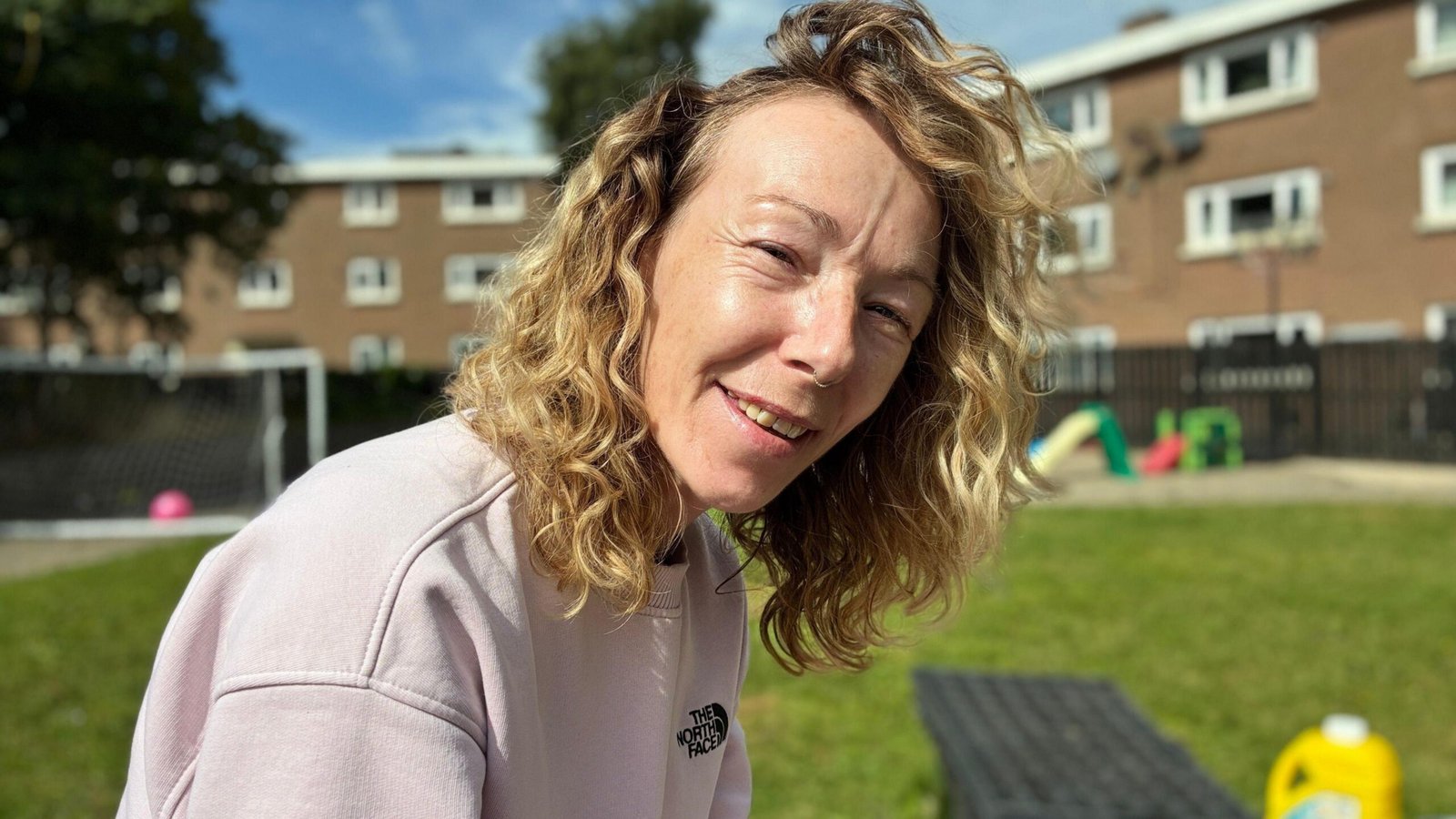
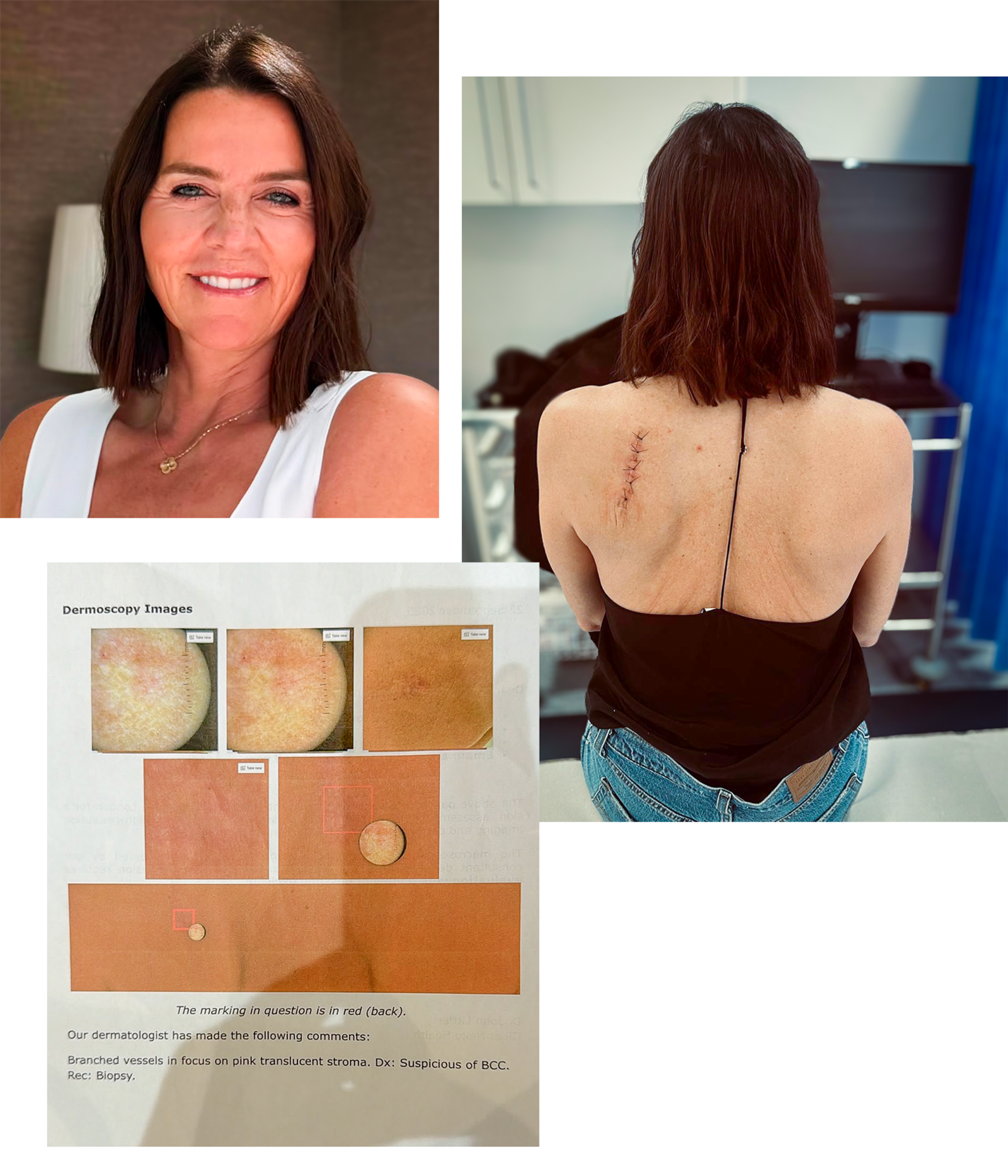
Annabel Mason-Thompson visited a Neko Health clinic in September last year. She knew she had a suspicious-looking mark on her back, but the technology didn’t flag it.
“I felt a bit let down if I’m honest,” the 50-year-old says. “Their AI scanner failed to pick up any of my four cancerous lesions.”
It was only when she pointed out the red mark to the doctor during the post-scan consultation that they took a closer look. Further examination confirmed it was suspicious, and Neko Health contacted her to say she would need treatment. They wrote a letter to her private dermatologist stating the “lesion requires evaluation with a view to possible excision.”
Her dermatologist then found three more cancerous marks that required urgent treatment.
“Luckily,” she says, “they were all slow-growing basal cell carcinomas. I had to have two cut out and two taken off via cryotherapy.”
Neko Health responded by saying that “member safety and clinical excellence are at the heart of everything” they do. The company stated that its clinical team did identify a “lesion of concern” and it was reviewed by two of its dermatologists before a referral was made.
Nilsonne adds: “We know that no one system is foolproof, which is why we have multiple lenses—it is crucial that the technology and human expertise work together.”
The company’s latest data from its Stockholm clinic shows that out of 4,362 scans last year, 1.2% discovered life-threatening conditions such as melanoma and leukaemia. A further 4% spotted significant health conditions requiring treatment, and 1.2% flagged reversible conditions like pre-diabetic blood sugar levels.
While these figures aren’t representative of the general population—they only account for those who can afford this kind of care—Nilsonne believes they point to the future of medicine.
But GPs remain unconvinced. Prof Victoria Tzortziou Brown, president of the Royal College of GPs (RCGP), says they haven’t seen “convincing evidence” that private broad screening tests “improve health outcomes.”
She also warns that results from these scans can place additional strain on the NHS, as clients come back for further tests and potential treatment, even “where the findings prove to be clinically insignificant.”
‘It Saved My Life’
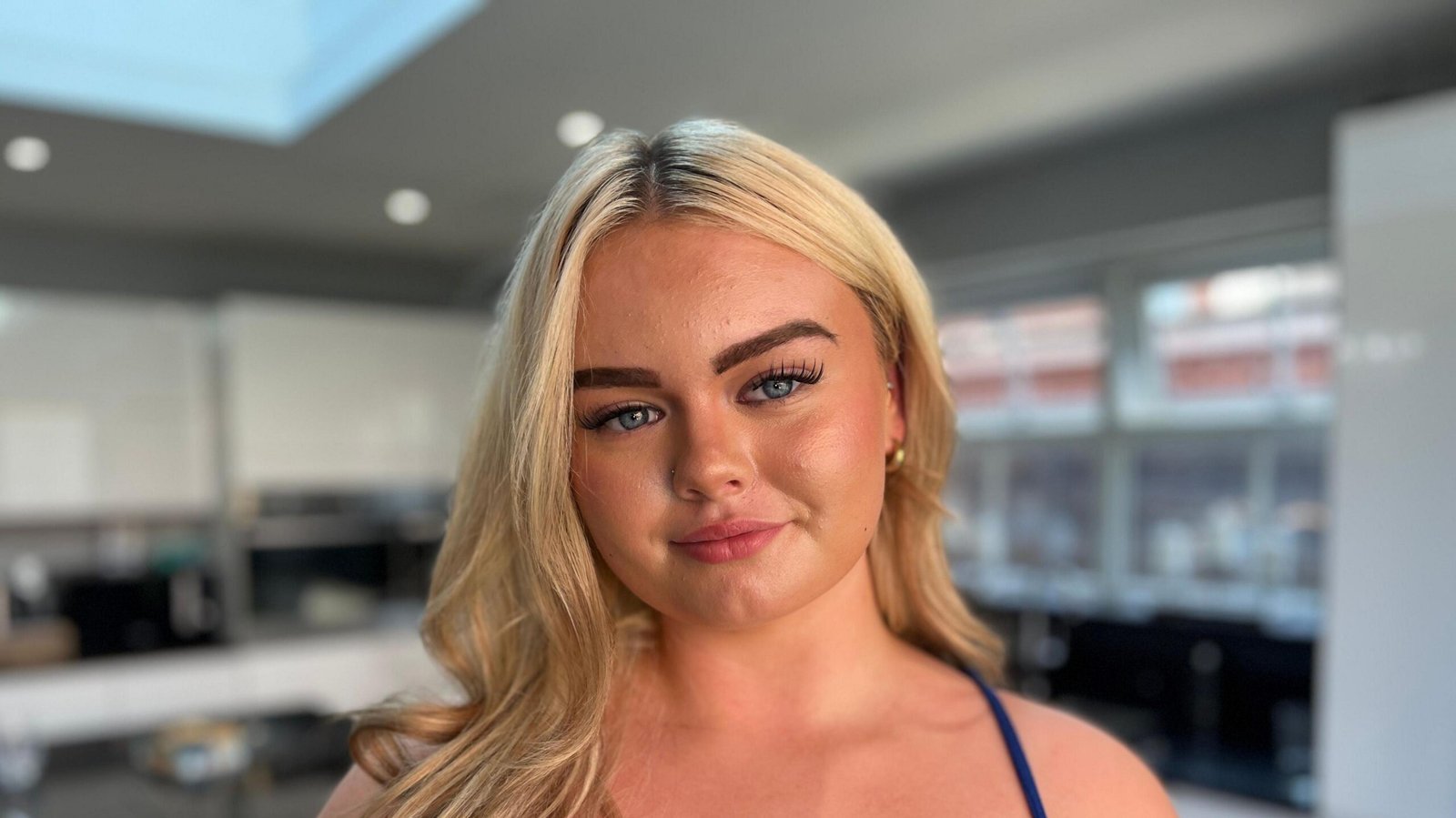
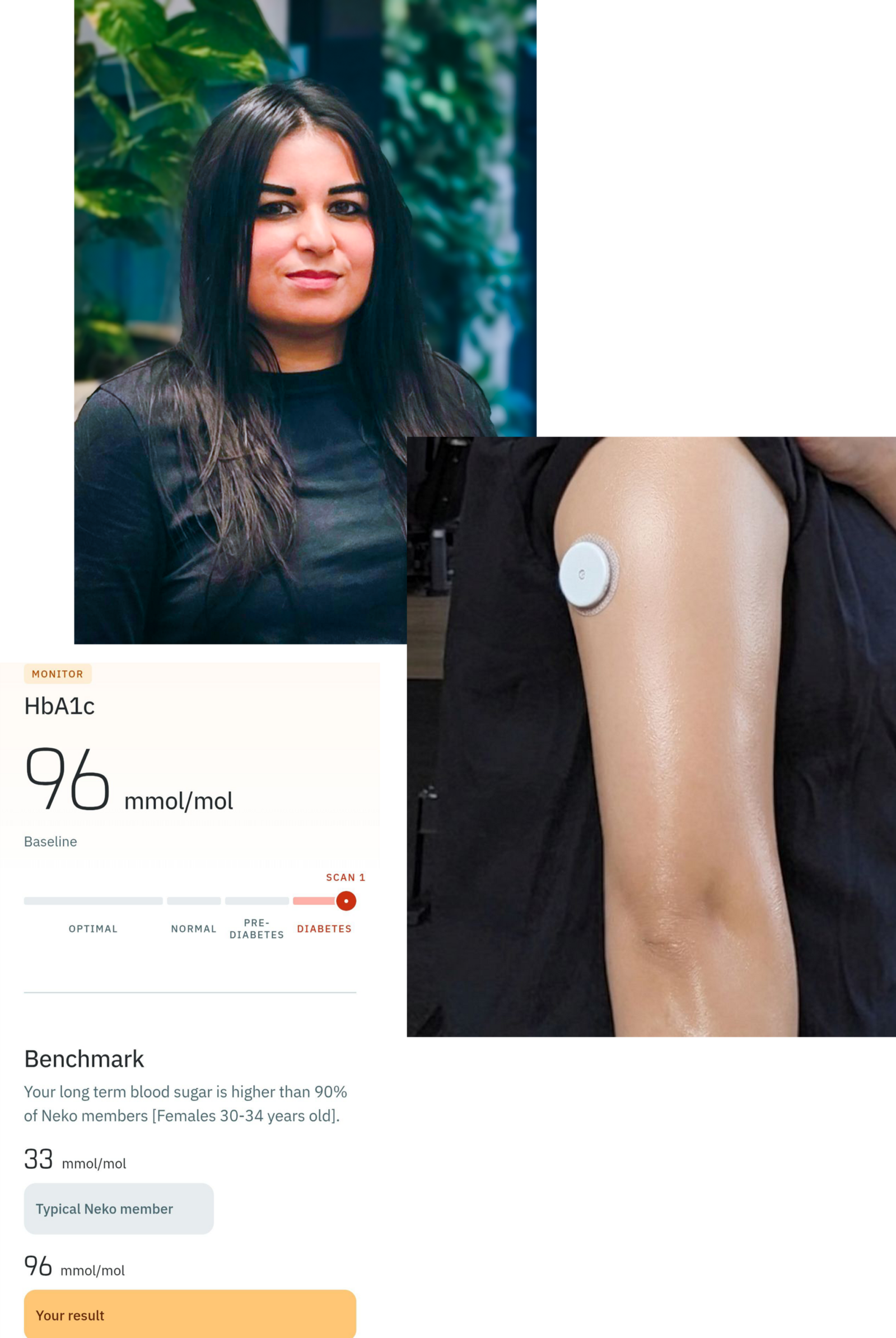
Mehvish’s experience was the complete opposite. Nothing could have prepared her for what she was told after her full body scan at Neko Health’s Birmingham clinic.
“I expected to feel relief,” the 33-year-old says. “Instead, I was told that I had a rare form of diabetes.”
Her long-term blood sugar levels came back alarmingly high, and a follow-up blood test confirmed suspected diabetes. She was referred to her GP, who sent her for an urgent hospital appointment the same day. The diagnosis: Latent Autoimmune Diabetes in Adults (LADA), a type of diabetes that bridges both type 1 and type 2.
Like type 1, LADA is an autoimmune condition that attacks the body’s pancreatic cells. But it also shares traits with type 2, as it can progress slowly and, depending on the stage, may initially be managed with diet and exercise.
“I didn’t have any of the symptoms,” Mehvish says. “It was difficult to get my head round it—how could I have this condition and not know about it?”
But she describes the early, unexpected intervention as life-saving.
Now she injects insulin twice a day, monitors her diet, and is learning to adapt to her new reality.
“I feel so much better, more clarity, less brain fog, and I feel so much more balanced.”
After my own scan, I’m feeling slightly out of balance. I’ve been told I have 3,311 skin markings—compared to the average Neko Health client’s 845. Three need extra review by the company’s dermatologist in Sweden.
“But I don’t have any big moles or markings,” I protest during the post-scan consultation. It’s my freckles, the doctor explains. Having freckles puts me at higher risk of skin cancer.
I had been confident I’d get a clean bill of health, especially regarding my skin. So, I was unnerved to discover I’d need extra tests.
In addition to the three suspicious moles, the ECG trace revealed an unusual heart rate—an extra wave known as a bifid P wave. This was referred to Neko Health’s in-house cardiologist for review. Thankfully, it came back all clear.
A few days later, I received a follow-up text confirming there were no abnormal skin changes requiring treatment.
I’m one of thousands of clients who have had something flagged as a potential issue, only to later find no further treatment was needed. Some doctors argue this causes unnecessary anxiety and that people should rely on national screening programmes through the NHS.
Dr Stephen Harden, president of the Royal Society of Radiologists, points out that NHS screening targets “specific areas” like the breasts, bowel, or cervix, which he says may be more reliable than a whole-body scan.
But former health minister Steve Brine believes precautionary scans like mine “fit the direction of travel of how people are approaching their health.”
“Change is afoot across the NHS—prevention is a huge policy area,” Brine says. “We want to identify people’s problems before they become patients, so these scans could well become a part of our future healthcare and primary care needs to adapt.”
As for me? I was told my heart age was four years younger than my actual age, and overall, I was in tip-top health. But I’ve also learned a valuable lesson—that my freckles put me at higher risk of skin cancer.
So, thanks to my time in the scanner, I’m now far more enthusiastic about lathering sunscreen all over my body, rather than just on my face.