

You know the feeling all too well. You either stayed out late at the pub into the early hours or set your alarm for just after midnight to catch England’s tense showdown with Mexico. The result may have been worth it, but the thrill alone won’t carry you through the day if you didn’t manage to book it off work.
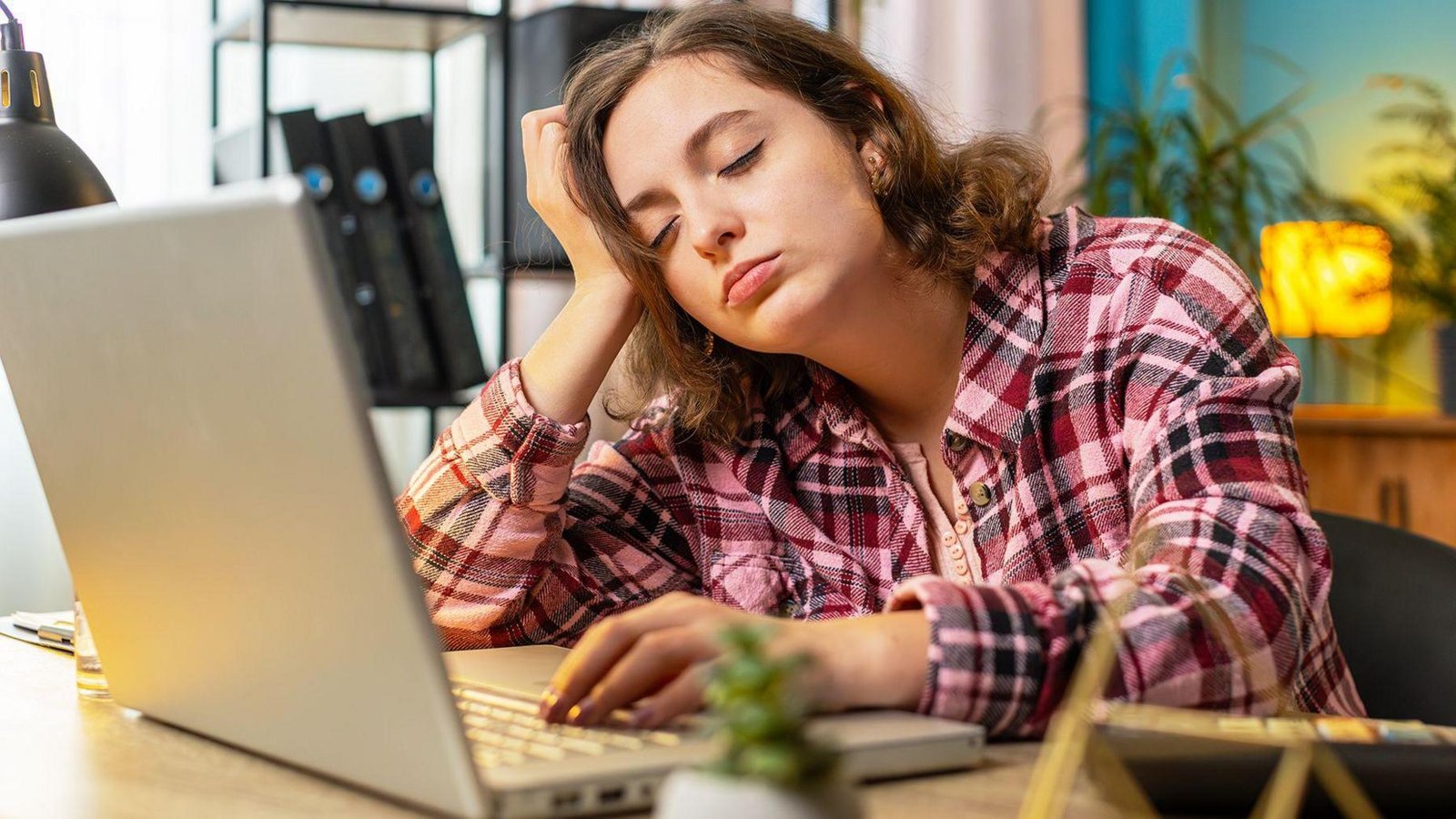
Now you’re squinting at your screen, with unread emails and your boss’s requests blurring into replays of that stunning header. But don’t worry—while you’re bound to feel groggy and a bit short-tempered today, there are ways to boost your alertness and get through the day.
Be Wise with Your Caffeine Intake
It sounds obvious, especially if you’re reading this while sipping your fifth flat white. Whether you get your caffeine from coffee, tea, or energy drinks, you might find yourself reaching for more because the drug alters how your brain works, essentially muting the signals that tell you you’re tired.
But be smart about it so you can actually sleep tonight. Caffeine lingers in your system for hours, and experts recommend having your last dose about eight hours before bedtime. So, if you’re hoping for an early night, it’s time to skip that afternoon espresso.
How Caffeine Tricks Your Brain
Caffeine works by blocking adenosine receptors in the brain. Adenosine is a chemical that builds up throughout the day, making you feel increasingly sleepy. By blocking it, caffeine keeps you alert—but it doesn’t erase the underlying sleep debt. That’s why you’ll eventually crash, and why timing matters so much.
…And What You Eat
Sleep deprivation messes with your appetite hormones, which is why tired people often crave carbs. One day of indulging in chips and ice cream probably won’t have long-term effects for most healthy people, but sticking to a balanced diet will help you sleep better tonight, says sleep scientist Prof Russell Foster from the University of Oxford.
Eating too close to bedtime can also be problematic, as your body works overtime to process the glucose spike. “Also, you’re generating heat during digestion, so especially in hot weather, it becomes harder to fall asleep because your core body temperature rises,” Foster adds.
The Trouble with Nightcaps
For adults, a nightcap might seem like a good idea, but alcohol can actually disrupt your sleep quality. While it acts as a sedative, it “can take away some of the important things we experience during sleep—like information processing and memory retention,” says Foster. So, skip the post-match beer if you want restorative rest.
Get Some Daylight
Even though venturing outside might feel like the last thing you want to do, daylight can be a lifesaver when you’re exhausted. Get outdoors as soon as you can. Light sets your circadian rhythm—your internal 24-hour clock—which tells your body when to wake up and when to feel sleepy.
Early morning light signals your tired brain that it’s time to switch on. It also helps regulate melatonin, the hormone that makes you drowsy at night. So, a short walk in the sun can do wonders for your alertness now and your sleep later.
Have a Strategic Nap
Strategic napping is a powerful tool to refresh your brain for the afternoon. If you can squeeze one in during a break, the ideal time is just after lunch, when your body naturally dips in the ‘alerting signals’ that regulate sleep and wakefulness.
Dr Victoria Revell, an associate professor in transitional sleep and circadian physiology at the University of Surrey, says this strategy can “help reset the build-up of sleepiness you’ll be experiencing.” She advises setting an alarm so you don’t oversleep, giving you “a boost without affecting tonight’s sleep.”
Nap Timing Tips
- Keep naps short—around 20 minutes is ideal to avoid grogginess.
- If you can’t find a quiet spot, just sitting peacefully for 10 minutes can help.
- Try to go to bed at your normal time this evening to avoid long-term sleep disruption.
Get Moving
As tempting as it is to collapse on the sofa, a bit of exercise will actually make you feel less tired in the long run. No one expects you to run a full 90 minutes on the pitch today. Even a brisk 15-minute walk can give you an energy boost, according to the NHS.
Exercise reduces stress and tires you out physically, which helps you sleep better. Doing it in the morning or afternoon can also help reset your sleep-wake cycle, making it easier to fall asleep tonight.
Be Kind to Yourself
While you can take steps to manage poor sleep, you won’t be able to shake it off completely. A tired brain is more prone to risk-taking, impulsiveness, mood swings, anxiety, and a lack of empathy. Concentration, decision-making, creativity, and productivity all take a nosedive too.
Foster suggests being mindful in your interactions—tiredness makes you more likely to misinterpret things, and irritation can turn to anger “much more quickly.” He advises people to “pause and think before you answer” when dealing with demanding kids or colleagues.
Take extra care when driving, and save any big life decisions for later in the week. Dr Revell notes that lost sleep combined with rising heat means “you probably won’t be at peak performance.” She adds, “If you can, set yourself some simpler tasks for today and don’t expect too much.”