Eye specialists are urging anyone who watched the recent solar eclipse to stay vigilant for potential vision problems. While many people used proper protective eyewear, there’s a real risk that some may have inadvertently harmed their eyes by looking at the sun without adequate protection. The effects aren’t always immediate, and symptoms can take hours to appear, making it crucial to know what to watch for.
If you experience any unusual changes in your vision after viewing an eclipse, it’s essential to act quickly. Common warning signs include blurred vision, a dark or grey spot in the center of your sight, and heightened sensitivity to light. These symptoms could indicate a condition called solar retinopathy, which is damage to the retina caused by direct sun exposure.
Why Eclipses Pose a Hidden Danger
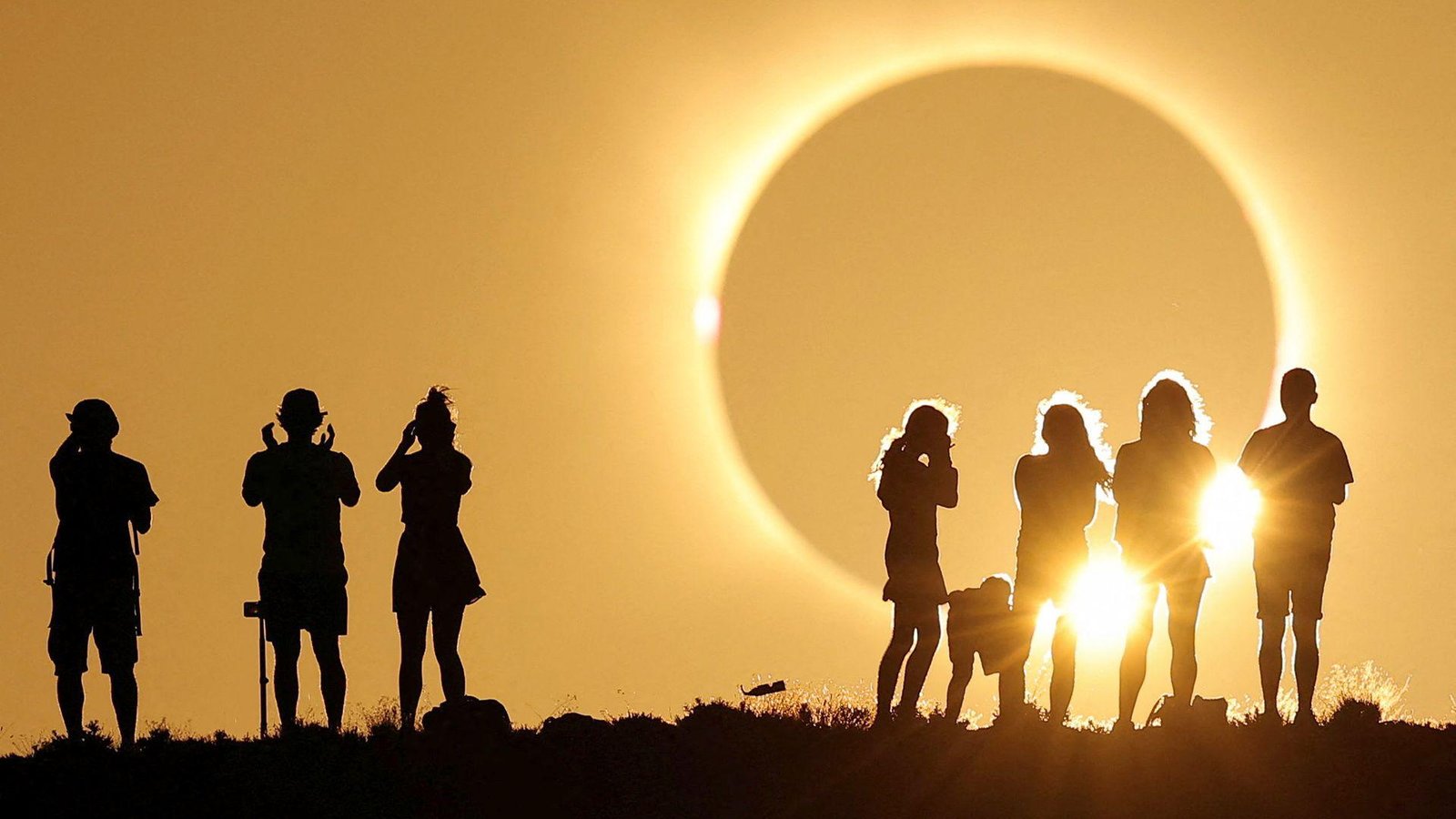
During a solar eclipse, the sun’s intense brightness is partially blocked by the moon, creating an unusual twilight effect. This can trick your natural reflexes. Normally, staring at the sun makes you wince and look away almost instantly because of its blinding glare. But during an eclipse, the reduced light levels may prevent that instinct from kicking in, allowing you to stare for longer periods without discomfort—even as your eyes are being harmed.
The sun emits powerful visible light and ultraviolet radiation that can damage the retina, the delicate layer of tissue at the back of the eye responsible for converting light into signals your brain interprets as images. Specifically, the cells in the macula, the central part of the retina, are most vulnerable. These cells are crucial for sharp, detailed vision—the kind you need for reading, recognizing faces, or seeing fine details.
What makes this particularly insidious is that the retina has no pain receptors. You won’t feel a burn or any immediate sensation of injury. Damage can occur silently, and symptoms may only become noticeable several hours later, or even the next day. This delayed onset can make it difficult to connect your symptoms to the eclipse, which is why awareness is so important.
Key Symptoms of Eye Damage to Watch For
According to Alexander Ionides, a consultant eye surgeon at Moorfields Eye Hospital in London, the signs of eclipse-related eye damage typically develop within a few hours after exposure. He describes the most common symptom as a central visual disturbance.
“It’s a central spot in the visual field,” explains Ionides. “Whatever you’re looking at—whether it’s someone’s face, the text on a page, or the clock on the wall—you may notice a distortion. It can appear as a grey, yellow, or dark spot right in the very center of your vision.”
He emphasizes that this is not painful. “There’s no pain like you’d expect from a burn,” he says. “It can just very gradually come on, which makes it easy to dismiss or ignore.”
Other Symptoms to Be Aware Of
In addition to the central blind spot, there are several other signs that your eyes may have been damaged:
- Eye pain or discomfort
- Redness in the eye
- A gritty or irritated feeling, as if something is in your eye
- Sudden changes in your vision, such as distortion or waviness
- Increased sensitivity to light, even in normal indoor lighting
If you notice any of these symptoms, especially in the hours or days following an eclipse, it’s critical to seek medical attention promptly. “If you think you have damaged your eyes, you should seek urgent medical attention,” advises Ionides.
What to Do If You Suspect Damage
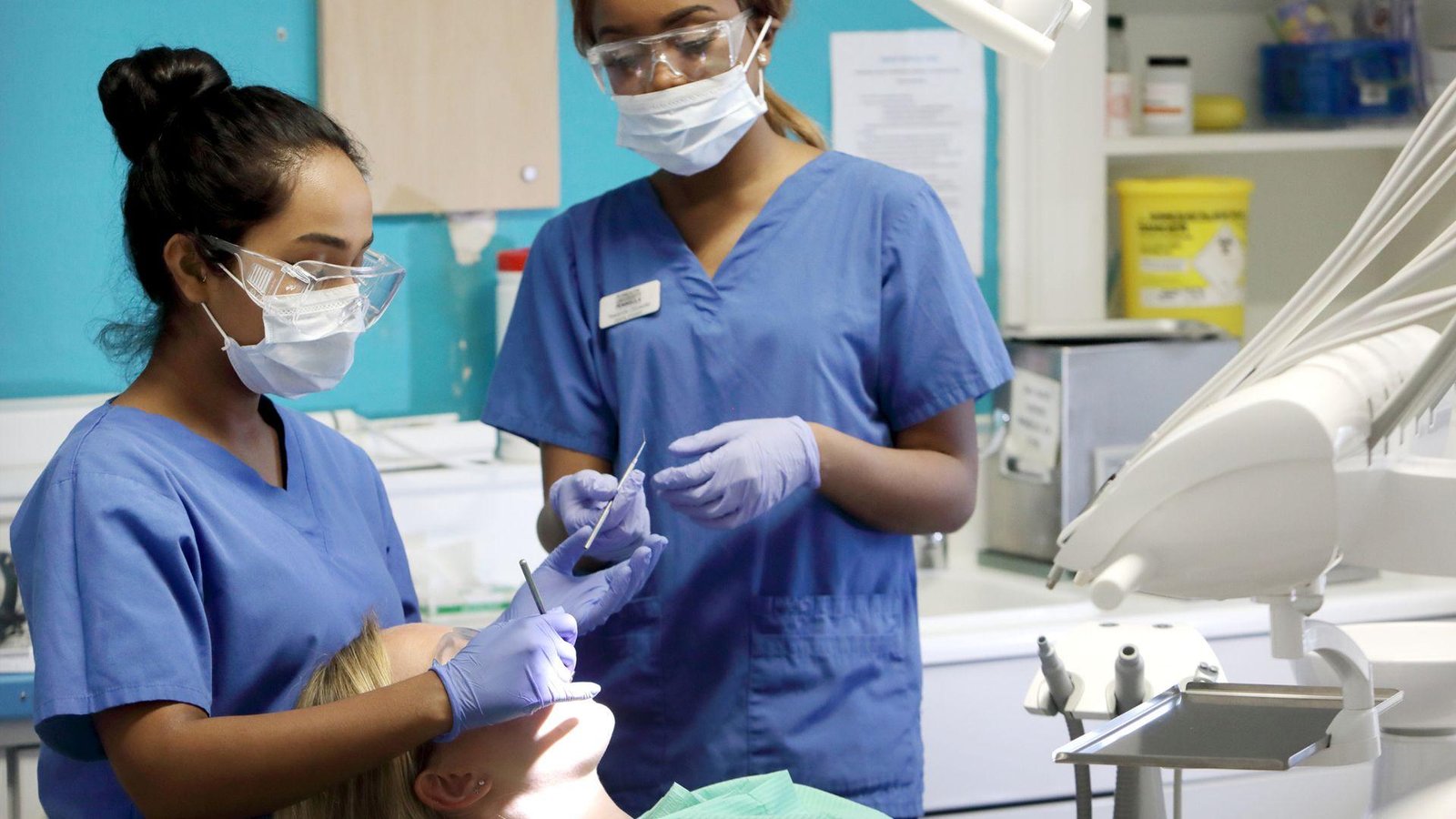
The first step is to get a professional eye examination. In the UK, you have several options. “There are different ways to get the eyes checked out,” says Ionides. “You can always go to a local optician—they’re very well equipped now. They can perform retinal scans to look for any signs of solar retinopathy.”
Opticians can also refer you to a hospital eye unit if necessary. “There are local eye casualties as well,” he adds. “Most hospitals will have an eye doctor on call who can assess your condition.”
Early detection is key. While some retinal damage may heal on its own over time, other cases can lead to permanent vision loss. A thorough examination can determine the extent of the damage and guide appropriate treatment or management.
Why the Risk May Be Lower This Time
Interestingly, the number of people reporting eye problems after the recent eclipse appears to be significantly lower than after the 1999 total solar eclipse, which was visible in the UK. In 1999, around 70 people were left with damaged sight, many after spending less than a minute looking at the spectacle.
This time, the UK experienced a partial eclipse, which means the sun remained relatively bright throughout. “A partial eclipse like the one the UK experienced means the sun was still pretty bright, so far fewer people may have tried to stare at it directly,” explains Ionides.
He notes that his hospital has seen far fewer patients this time. “Back in 1999, the switchboard and the casualty department were inundated with many, many people coming along worried, or having had some damage,” he recalls. “But so far, it’s only the morning after, and at the moment there have been a lot fewer people contacting the hospital or coming along to casualty.”
This could be a positive sign. “It might mean that the message is getting out there—that it is damaging to look directly at the sun with the naked eye,” Ionides says. Public awareness campaigns and widespread media coverage about proper eye protection may have encouraged more people to use certified eclipse glasses or indirect viewing methods.
Understanding Solar Retinopathy
Solar retinopathy is the medical term for the retinal damage caused by direct solar exposure. The intense light and ultraviolet radiation from the sun can literally burn the photoreceptor cells in the macula. This can lead to permanent blind spots or distortions in central vision.
The condition is often painless, which is why many people don’t realize they’ve been injured until they notice visual changes. In some cases, symptoms may resolve within a few months, but in others, the damage can be irreversible. This makes prevention and early intervention absolutely critical.
How to Protect Your Eyes in the Future
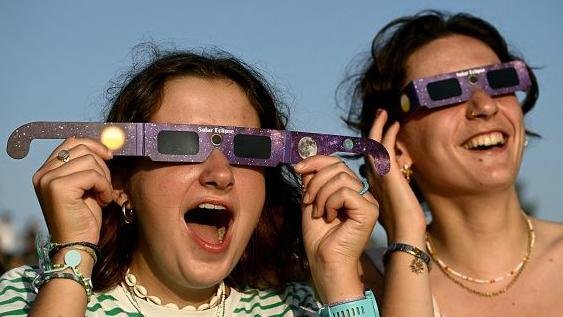
If there’s a next time—and there will be—remember that ordinary sunglasses, even very dark ones, are not sufficient to protect your eyes from the sun’s harmful rays during an eclipse. The only safe way to look directly at a solar eclipse is with specially designed solar eclipse glasses that meet international safety standards (ISO 12312-2). These glasses block out nearly all visible light and harmful UV radiation.
Alternatively, you can use indirect viewing methods, such as pinhole projectors, which allow you to see a projected image of the eclipse without ever looking at the sun directly. These are safe, easy to make, and a great option for families and groups.
It’s also important to remember that the danger isn’t limited to the moment of totality. During a partial eclipse, even a sliver of the sun’s surface is enough to cause damage. The same rules apply: never look at the sun without proper protection, even for a few seconds.
If you or someone you know may have looked at the eclipse without adequate eye protection, don’t wait for symptoms to appear. Schedule an eye exam as soon as possible. Early detection can make a significant difference in preserving your vision.
Remember, your eyes are irreplaceable. Taking a few extra minutes to ensure you’re using proper protection—or seeking medical advice if you’re concerned—can save you from a lifetime of visual impairment.