The UK Covid inquiry has released its highly critical report into the government’s failure to provide adequate personal protective equipment (PPE) for NHS workers during the pandemic. The report exposes a catalogue of errors in planning, procurement, and distribution that left frontline staff dangerously exposed and wasted billions of pounds of public money.
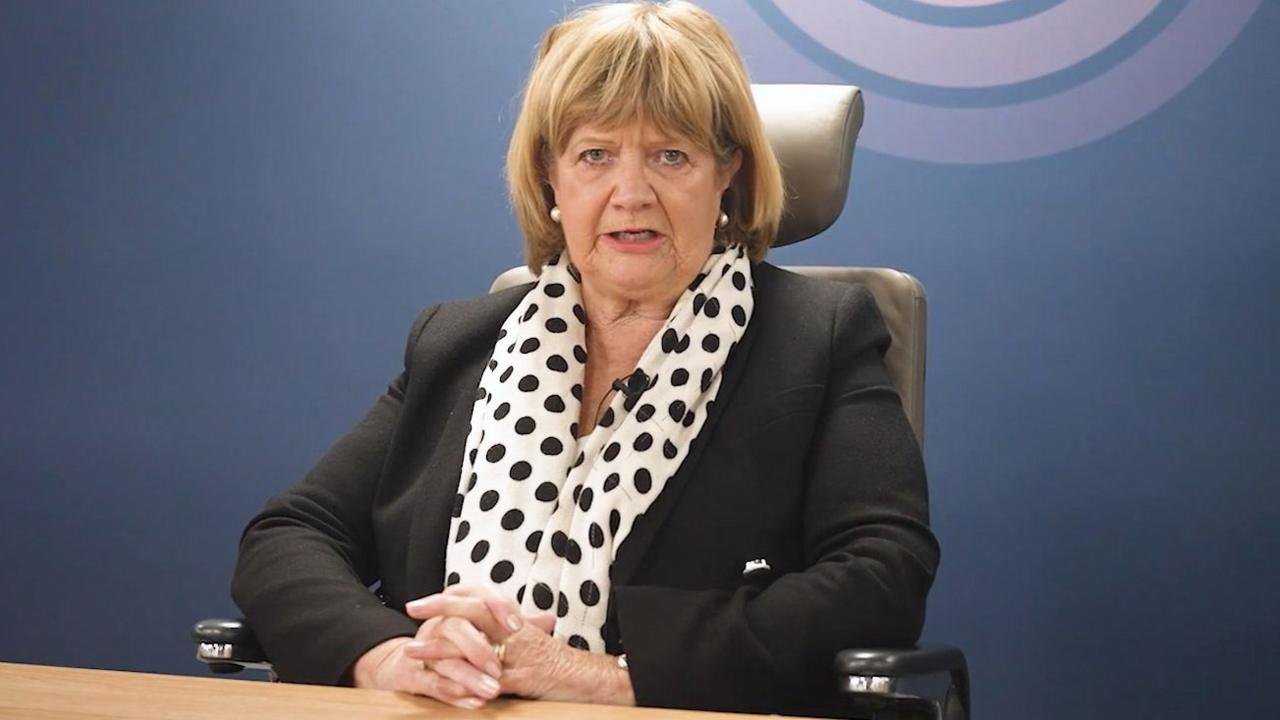
The investigation, led by Baroness Heather Hallett, details how the country entered the health crisis unprepared, with depleted and expired stockpiles, and then made costly and unfair decisions when scrambling to secure supplies. The findings paint a stark picture of missed opportunities and systemic failures that had devastating consequences for healthcare workers and patients alike.
Here is a breakdown of the report’s most significant findings and what they mean for the future of pandemic preparedness.
Billions of taxpayers’ money wasted on poor PPE
Perhaps the most damning conclusion is the sheer scale of financial waste. The inquiry found that the UK wasted nearly £10 billion of the £14.9 billion spent on PPE by the UK and devolved governments. This means approximately two-thirds of the total expenditure on gloves, gowns, masks, and other protective equipment was effectively lost.
Baroness Hallett criticised this as “vast” waste, noting that while it was prudent to over-order during a pandemic rather than risk shortages, the scale of the surplus was unacceptable. The report concluded that “better planning would have resulted in fairer, faster and less costly procurement decisions.”
Millions more were spent on equipment that could not be used at all, either because it was faulty, unsuitable, or arrived too late to be of any value. The inquiry emphasised that had ministers and officials been equipped with proper plans, accurate information, and robust systems, the decisions made would have been far more effective and less expensive.
The cost of miscalculation
The report highlights that the UK’s approach to purchasing was reactive rather than strategic. With no clear picture of actual demand, orders were placed in panic, leading to a massive oversupply of certain items while other critical equipment remained scarce. This lack of calibration between supply and demand was a central theme in the inquiry’s criticism.
NHS staff and patients left at risk
The inquiry found that the UK entered the pandemic with its national stockpile in a “perilous state.” Large quantities of masks, gowns, and gloves had expired and were no longer usable. This left the country “simply not ready to compete” in the global race to secure new supplies when the virus spread.
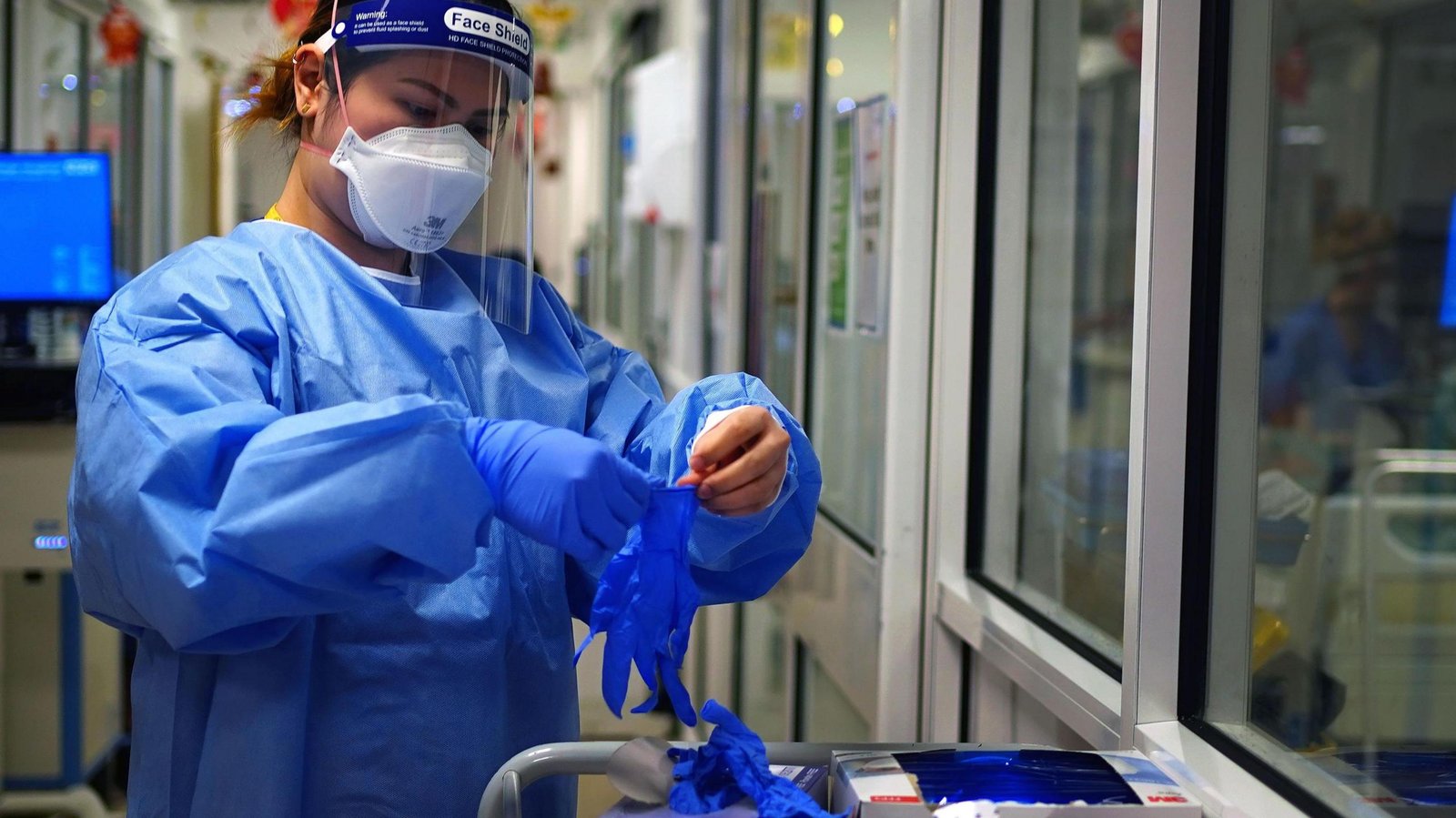
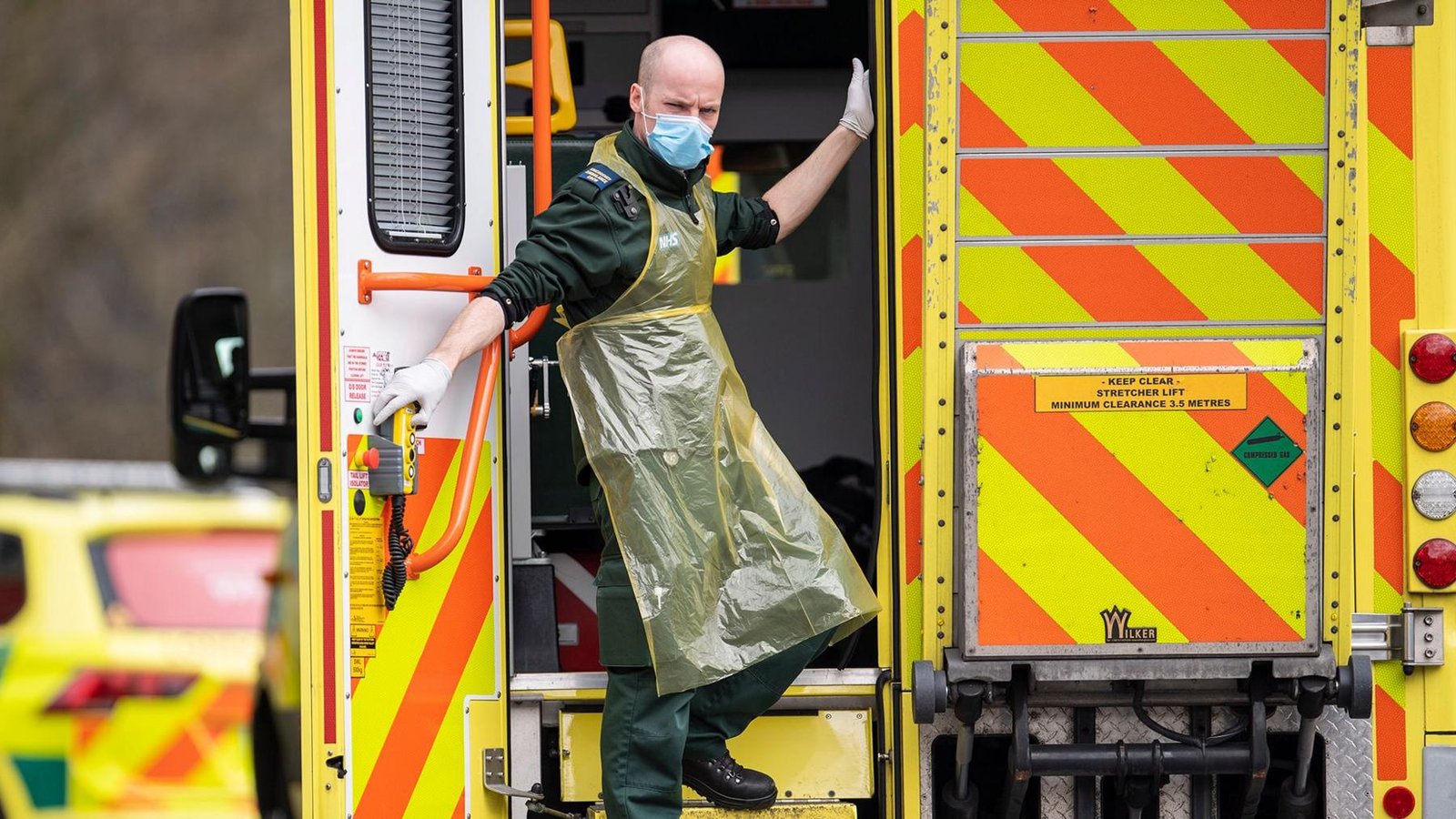
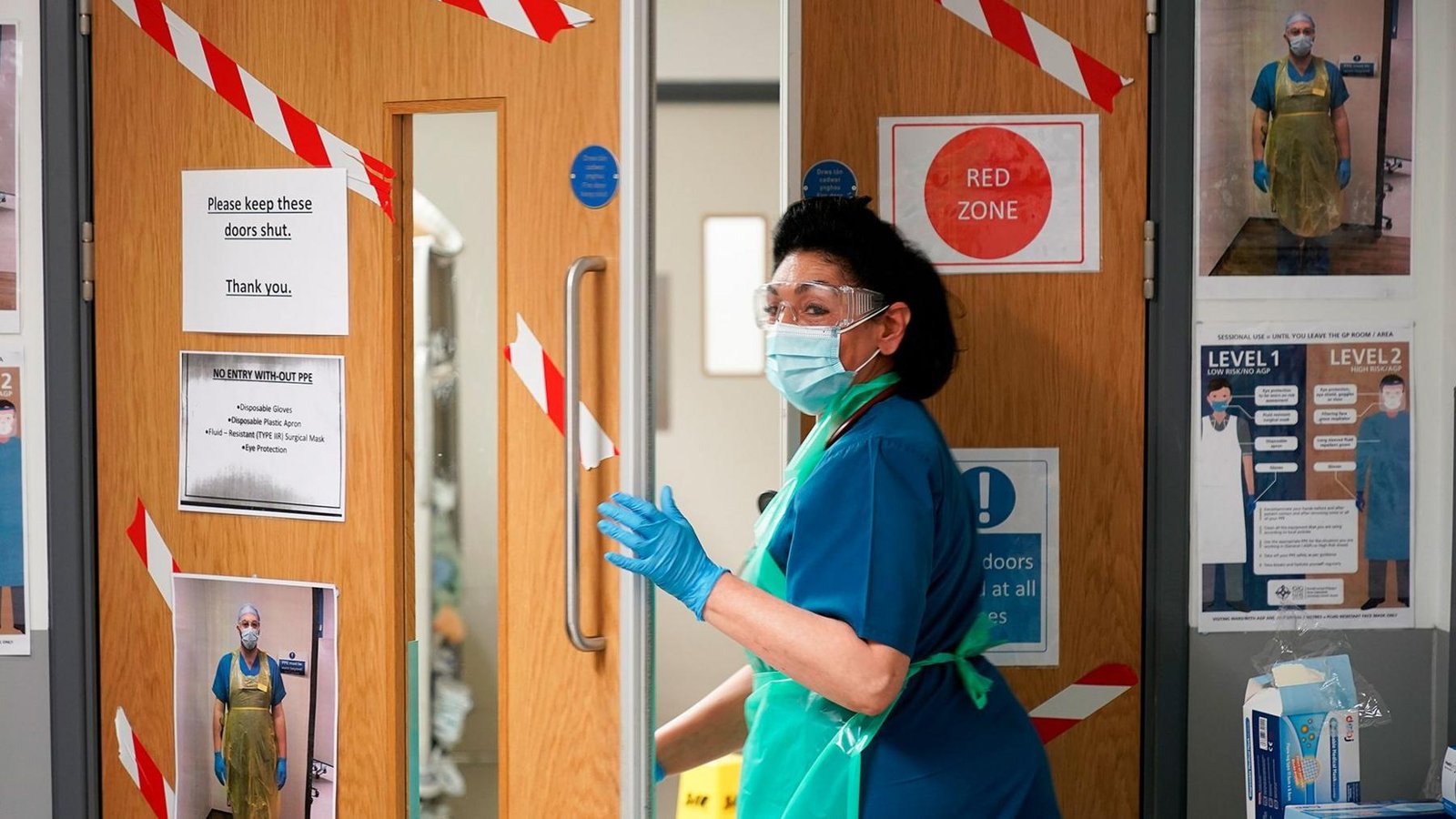
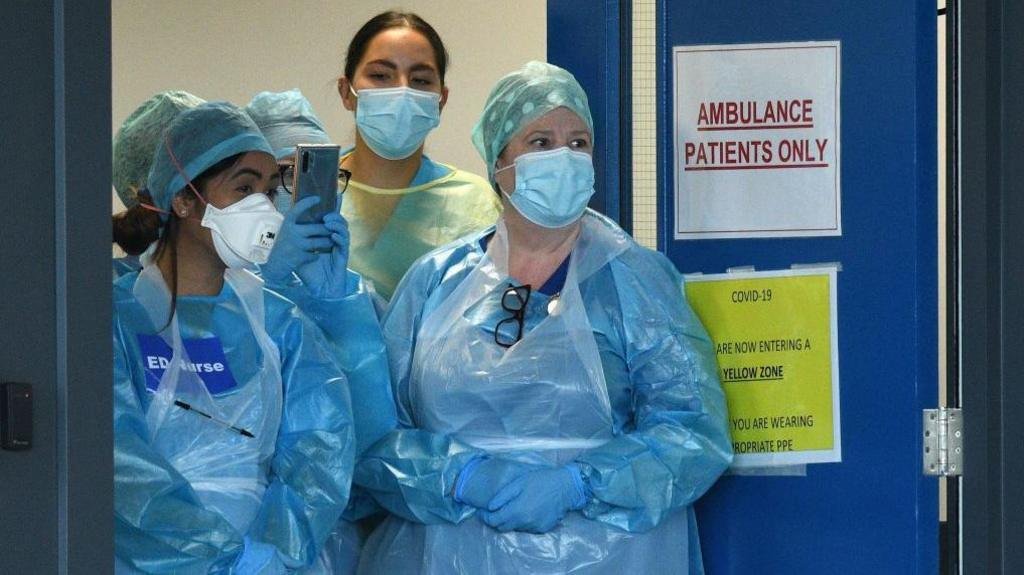
The numbers are stark: only a third of the masks stored in England’s pre-pandemic stockpile were fit for use. In Scotland, there were no supplies at all of the top-level FFP3 masks that healthcare professionals needed for high-risk procedures. This shortage forced some staff to resort to desperate measures, such as using bin bags as makeshift aprons or washing and reusing single-use items.
Baroness Hallett was unequivocal in her assessment: “If governments failed to procure the required equipment and supplies, key workers, including health and social care workers, could not be properly protected; their lives and the lives of those for whom they care were put at risk.”
Frontline desperation
The report recounts the anxiety and fear among healthcare workers who were forced to work without adequate protection. The lack of PPE not only endangered their own health but also increased the risk of spreading the virus to vulnerable patients. This was a fundamental failure of the state’s duty of care to its essential workers.
Unfair ‘VIP’ lane for PPE contracts
One of the most controversial aspects of the UK’s pandemic response was the introduction of a so-called “VIP lane” for PPE procurement in April 2020. This system was designed to fast-track offers from suppliers who had recommendations from ministers, MPs, peers, or senior officials.
Baroness Hallett sharply criticised this policy, describing it as a “misguided attempt at prioritisation” that “embedded unfairness in emergency procurement.” While she found no evidence of cronyism or corruption among those awarding contracts, she noted that the system was “inherently biased towards those with connections to the UK government.”
The inquiry concluded that this approach should never be repeated in any future pandemic. It created an uneven playing field where well-connected suppliers were given preferential treatment, potentially at the expense of more qualified or better-priced offers.
A system built on connections
The VIP lane was introduced in April 2020 in England as a way to manage the overwhelming number of offers from suppliers. However, it quickly became a source of public distrust and suspicion. The report makes clear that even without proven corruption, the perception of unfairness was damaging to public confidence in the government’s handling of the crisis.
What wasn’t covered
The report notably does not include findings on PPE Medpro, a company linked to Conservative peer Baroness Michelle Mone. This is due to an ongoing criminal investigation by the National Crime Agency into the firm, which is connected to Mone’s husband, Doug Barrowman.
PPE Medpro was awarded government contracts worth more than £200 million after Lady Mone recommended it to ministers. The company has already been ordered to repay £148 million after the High Court found it breached a contract to supply surgical gowns.
The inquiry held hearings about the company in February 2025, but reporting restrictions are in place until any potential criminal proceedings conclude. This means a whole chapter of the report remains unpublished. Both Mone and Barrowman have denied any wrongdoing, and no charges have been brought so far.
Ongoing investigations
The exclusion of this case from the report leaves a significant gap in the public record. The inquiry’s hands are tied by legal constraints, but the unresolved questions surrounding PPE Medpro continue to cast a shadow over the procurement process.
What next?
The Covid inquiry has been conducting public hearings for its ten modules since June 2023. The first five reports, including this one on PPE, have now been released. The remaining reports are expected to be published by 2027.
This report on PPE is part of a broader examination of the UK’s pandemic response. Previous reports have covered topics such as lockdown measures and the impact on education. The findings from this module are likely to inform recommendations for how the government should prepare for future health emergencies.
Baroness Hallett’s recommendations, which are expected to be detailed in the report’s final sections, will be crucial in shaping policy. The key message is clear: the failures in PPE procurement were not inevitable, and with better planning, the UK could have protected its healthcare workers and saved billions of pounds.
Lessons for the future
The inquiry’s work is not just about assigning blame but about ensuring that the mistakes of the past are not repeated. The report serves as a stark warning that pandemic preparedness must be taken seriously, with robust stockpiles, clear procurement strategies, and transparent decision-making processes.
As the inquiry continues, the focus will shift to implementing these lessons and rebuilding public trust in the government’s ability to handle crises. The PPE report is a critical step in that journey, offering a detailed account of what went wrong and a roadmap for doing better.