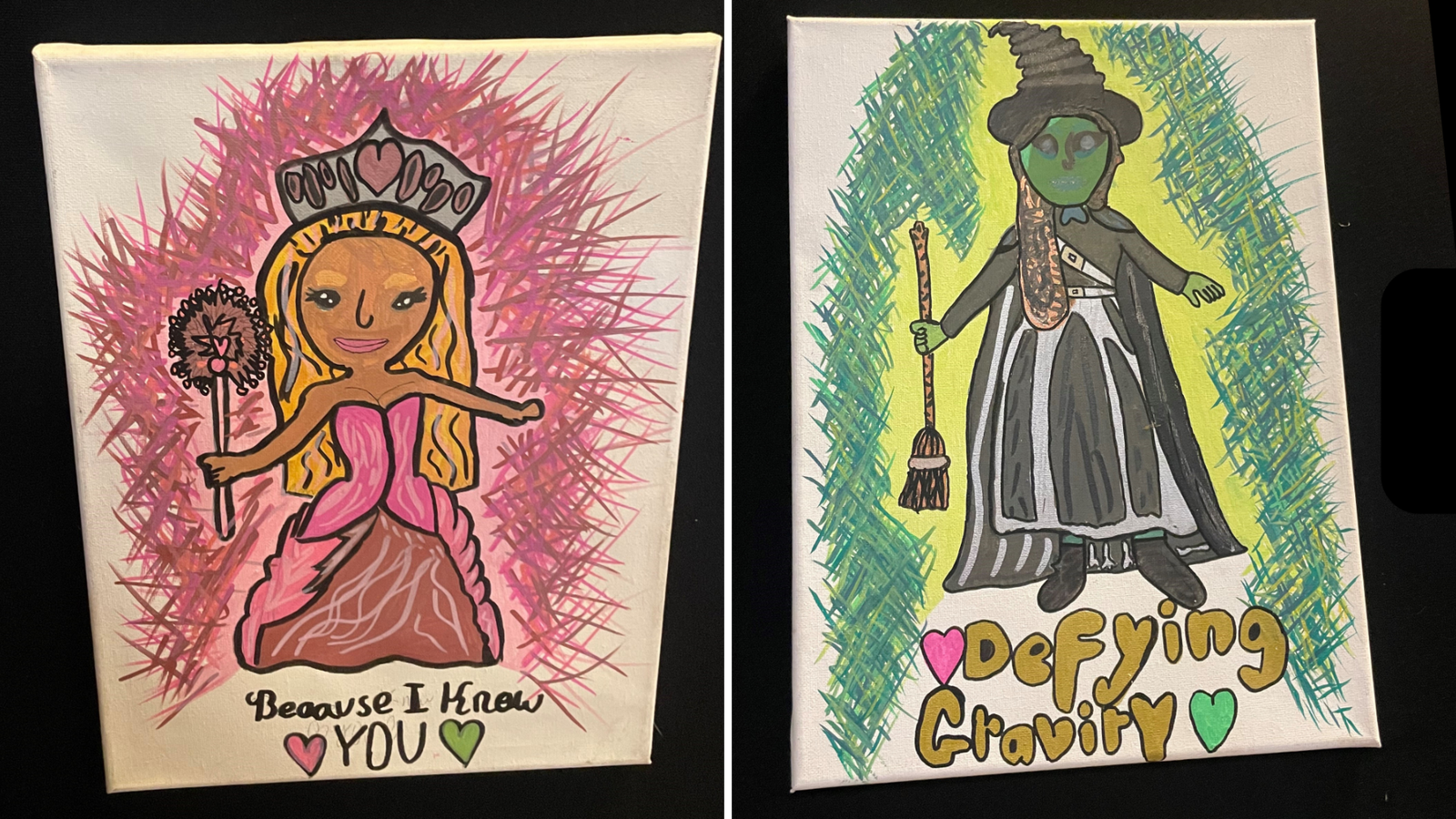
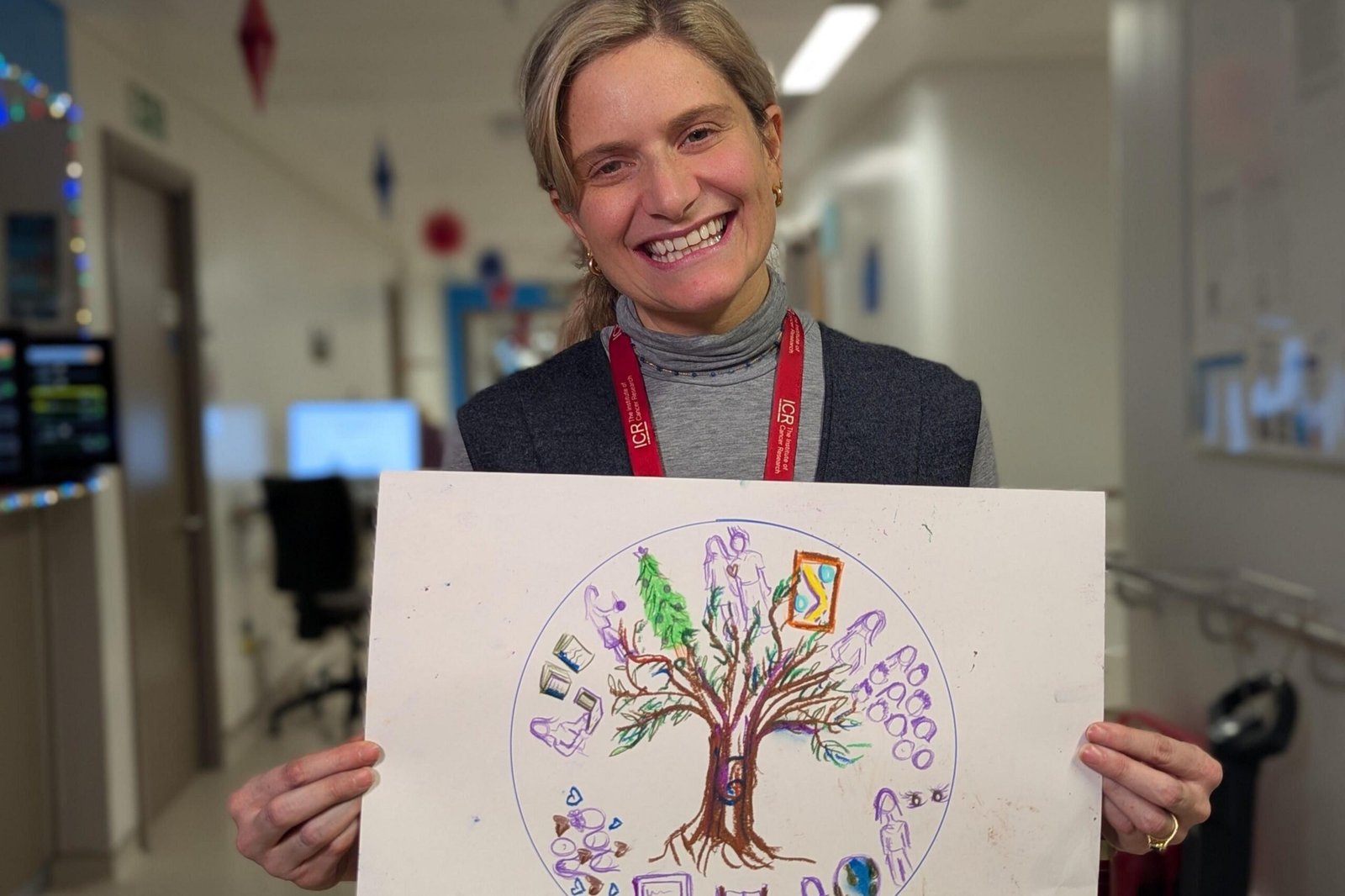
A pioneering charity initiative is transforming the rehabilitation journey for prisoners by giving them the chance to express themselves through art—and even earn from their creations. The Prison Art Project, supported by the homeless charity ALABARÉ, is helping inmates at HMP Erlestoke in Wiltshire and beyond to channel their creativity into meaningful work that builds confidence, pride, and a sense of purpose.
Participants in the scheme receive a complete art pack filled with acrylics, pencils, watercolours, and pastels. In return, they are asked to create up to four original pieces. These works are then uploaded to an online gallery where the public can purchase them. Crucially, the artist receives 50% of the sale price, with the remaining funds going back into the project to buy materials for future participants. This self-sustaining model ensures that every sale helps another prisoner discover the therapeutic power of art.
Creativity as a Path to Rehabilitation
For many inmates, the act of creating art is far more than a pastime—it is a lifeline. Several participants have spoken openly about how the creative process has improved their mental health and overall wellbeing. The structured yet expressive nature of painting, drawing, and sculpting offers a healthy outlet for emotions that might otherwise remain suppressed.
Laura Joy, a representative from ALABARÉ, emphasised the transformative potential of the programme. “Artwork really gives people a chance to do meaningful activity towards rehabilitation and to support better choices,” she said. “It’s a way of giving back, and it gives the artists a huge sense of pride.”
The scheme is particularly vital in a prison system that is often underfunded and overcrowded. Many prisons simply do not have the resources to offer dedicated art classes, leaving inmates with few constructive ways to spend their time. The Prison Art Project fills this gap by providing both the materials and the motivation to create.
From Self-Portraits to Landscapes: The Artworks
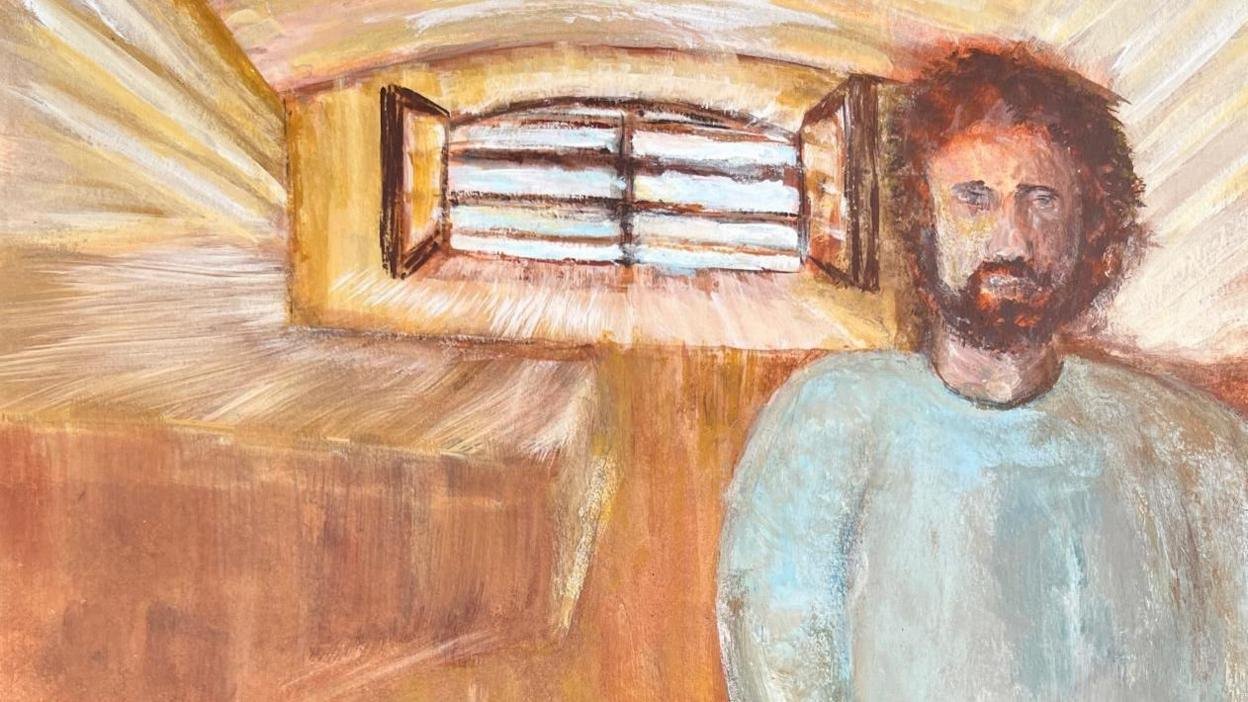
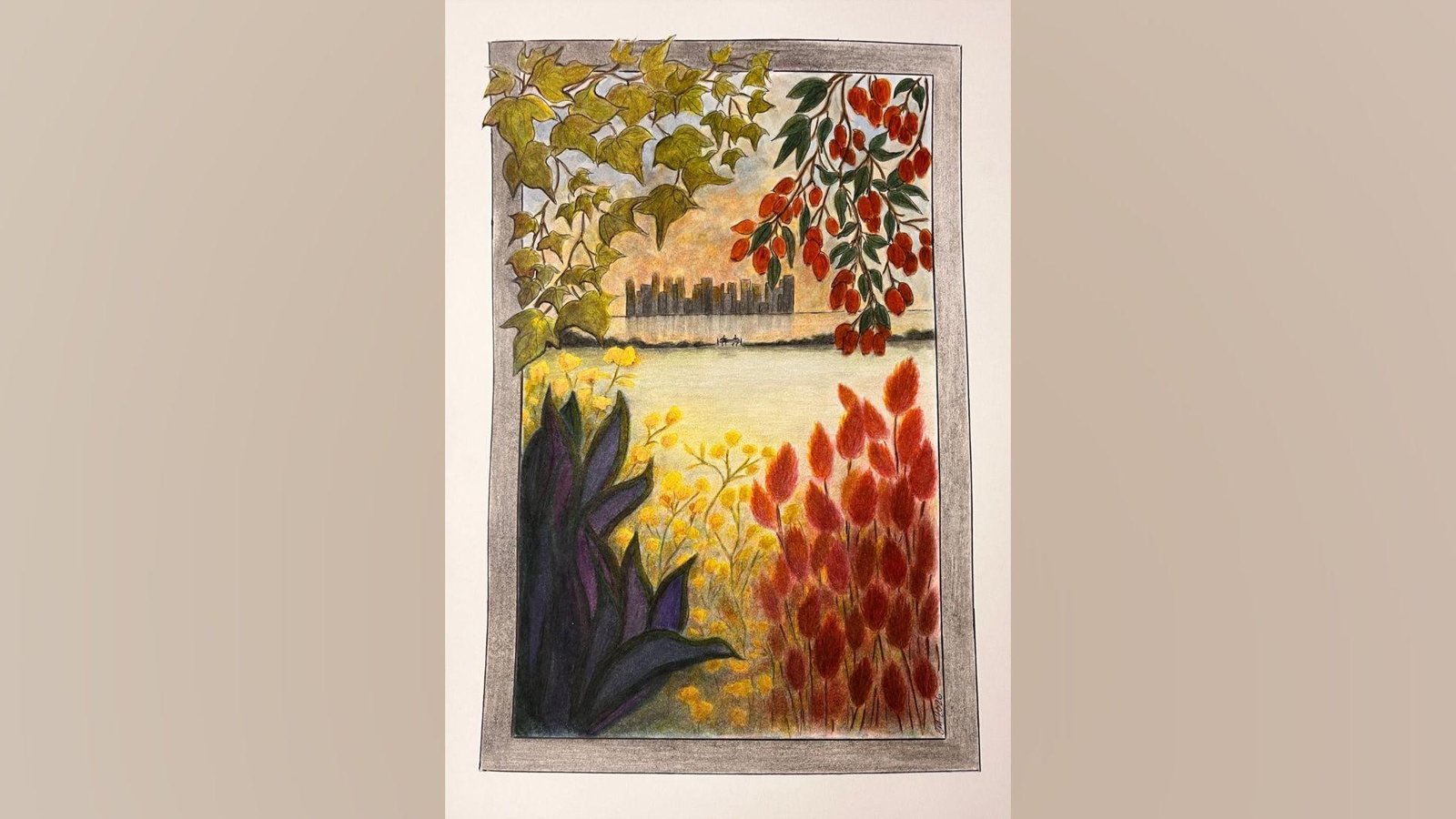
The range of artwork produced is as diverse as the individuals behind it. One inmate painted a striking acrylic self-portrait, depicting himself in his cell with short red hair and facial hair, standing before a window that hints at a world beyond the walls. Another created a detailed pencil landscape, complete with flowers, a body of water, and distant buildings under a sunset—a serene escape from the confines of prison life.
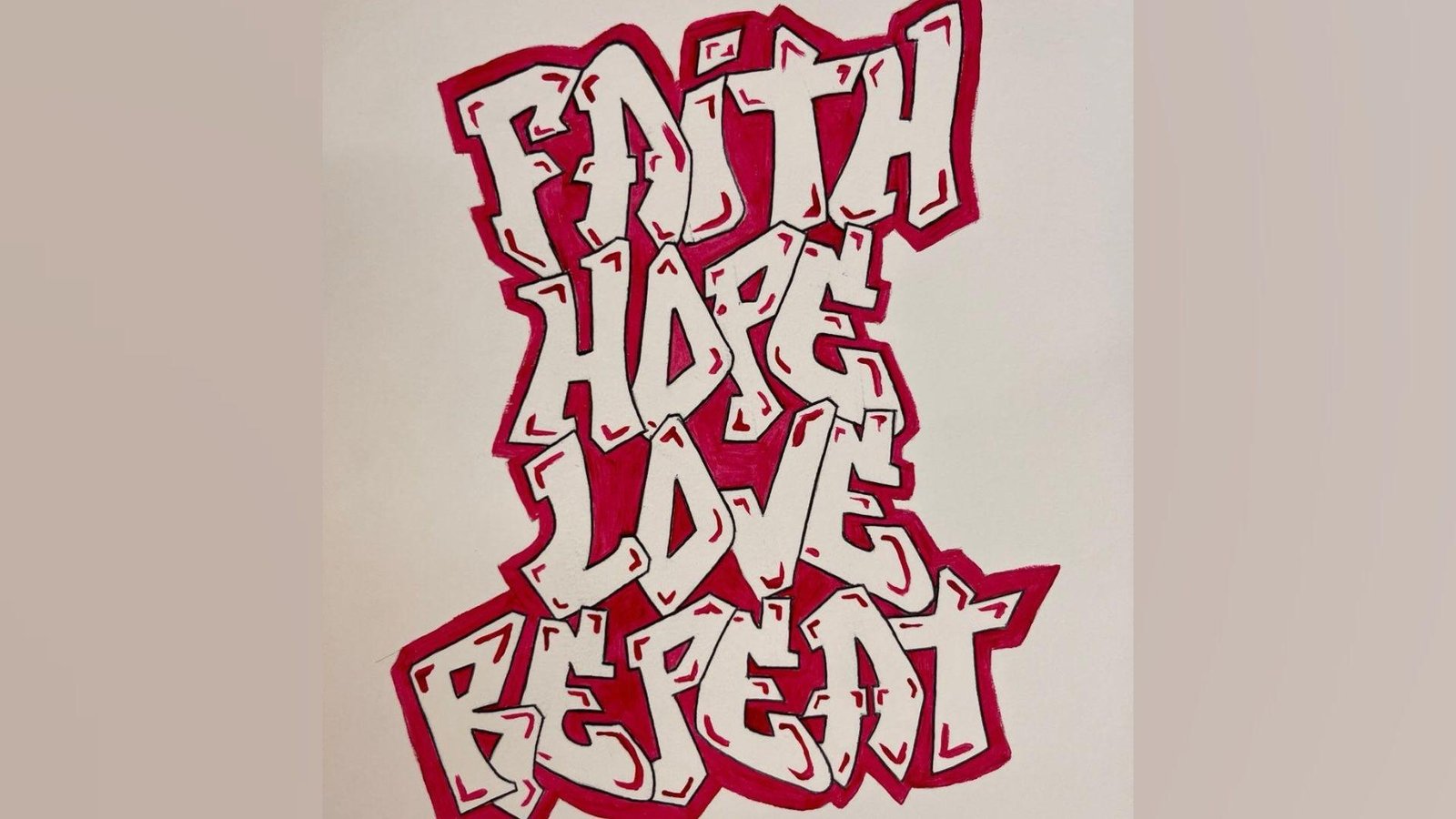
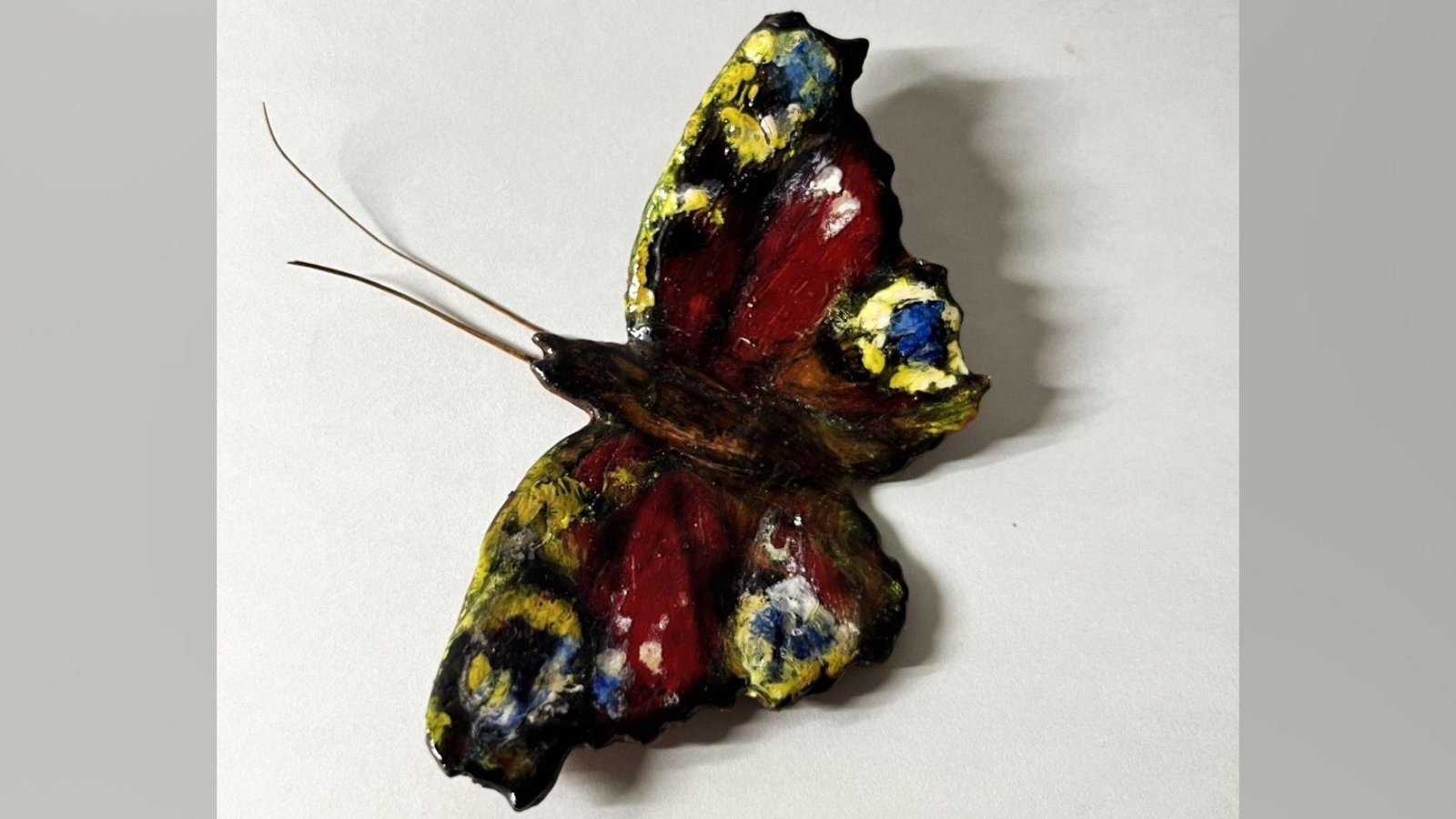
Graffiti-inspired pieces are also popular, with one bold work reading “Faith Hope Love Repent” in red and white capital letters. Meanwhile, a particularly inventive participant crafted a 3D model of a peacock butterfly, its wings a riot of yellow, red, and blue. These creations are not just art; they are personal stories, capturing emotions, memories, and aspirations that might otherwise remain hidden.
A Growing Movement Across England and Wales
The Prison Art Project is not confined to a single institution. Since its inception in the 1960s, it has engaged more than 3,000 participants. Currently, around 100 artists are active across 37 prisons and young offender institutions in England and Wales. The demand is so high that more than 1,500 pieces of art are waiting to be uploaded and offered for sale online.
This scale reflects the profound impact the project has on individuals and the wider prison community. For many inmates, seeing their work displayed and appreciated by the public is an emotional experience. It validates their efforts and reminds them that they are more than their past mistakes.
Why Art Matters in Prison
Art in prison serves multiple purposes. It occupies time that might otherwise be filled with idleness or negative influences. It teaches patience, focus, and discipline—skills that are essential for successful reintegration into society. It also provides a sense of achievement that can be rare in an environment defined by restriction and routine.
Joy highlighted the importance of external recognition: “I’m delighted that participants are having their artwork seen outside of their cells and internal art classes. Many of the pieces have some incredible personal stories behind them and capture a world view that is often hidden.”
Indeed, the online gallery acts as a window into the lives of prisoners, offering the public a chance to connect with them on a human level. Each purchase is not just a transaction; it is an affirmation that the artist’s voice matters.
How the Scheme Works
The process is straightforward yet effective. Inmates who wish to join the scheme are provided with an art pack, which includes a variety of mediums to explore. They are then given the creative freedom to produce up to four pieces. Once completed, the artwork is photographed and uploaded to the project’s website, where it becomes available for purchase.
The financial model is designed to benefit everyone involved. The artist receives half of the sale price, giving them a tangible reward for their work. The other half is reinvested into the programme, ensuring that more inmates can participate. This creates a cycle of opportunity that extends far beyond a single individual.
Stories Behind the Art
Every piece in the gallery has a story. Some artists use their work to reflect on their past, while others imagine a brighter future. Landscapes often represent a longing for freedom, while portraits can be a form of self-exploration. The graffiti pieces, with their bold messages, speak to a desire for redemption and change.
One participant described the experience as “rewarding,” noting that the act of creating something beautiful gave them a sense of purpose. Another mentioned that the project helped them cope with the isolation of prison life, providing a daily focus that kept negative thoughts at bay.
The charity hopes to expand the programme further, reaching more prisons and supporting more artists. With the continued support of the public, the Prison Art Project aims to demonstrate that rehabilitation through creativity is not just possible—it is powerful.
How You Can Support the Project
Members of the public can browse and purchase artwork directly from the project’s online gallery. Each purchase directly supports the artist and helps fund materials for others. For those who prefer not to buy, donations to ALABARÉ are always welcome and go towards sustaining the initiative.
Sharing the project on social media also makes a difference. By spreading the word, you help bring these hidden artworks to a wider audience, giving inmates the recognition they deserve and encouraging others to see the potential for change in every person.
The Prison Art Project is a shining example of how a simple idea—providing art supplies to those in need—can have a ripple effect that transforms lives. It is a testament to the resilience of the human spirit and the belief that everyone deserves a second chance.