


New research has uncovered a significant gap in the UK’s approach to breast cancer detection for younger women. The current NHS criteria used to determine which women under 50 are at higher risk are so narrowly focused that they may be failing to identify up to 95% of those who will actually develop the disease.
The guidelines, established by the National Institute for Health and Care Excellence (NICE), rely almost exclusively on family history and inherited genetic mutations. This approach overlooks a range of other influential factors, including lifestyle choices, reproductive history, and body weight, which can significantly alter a woman’s risk profile. As a result, the system is missing a substantial number of women who are unknowingly at elevated risk.
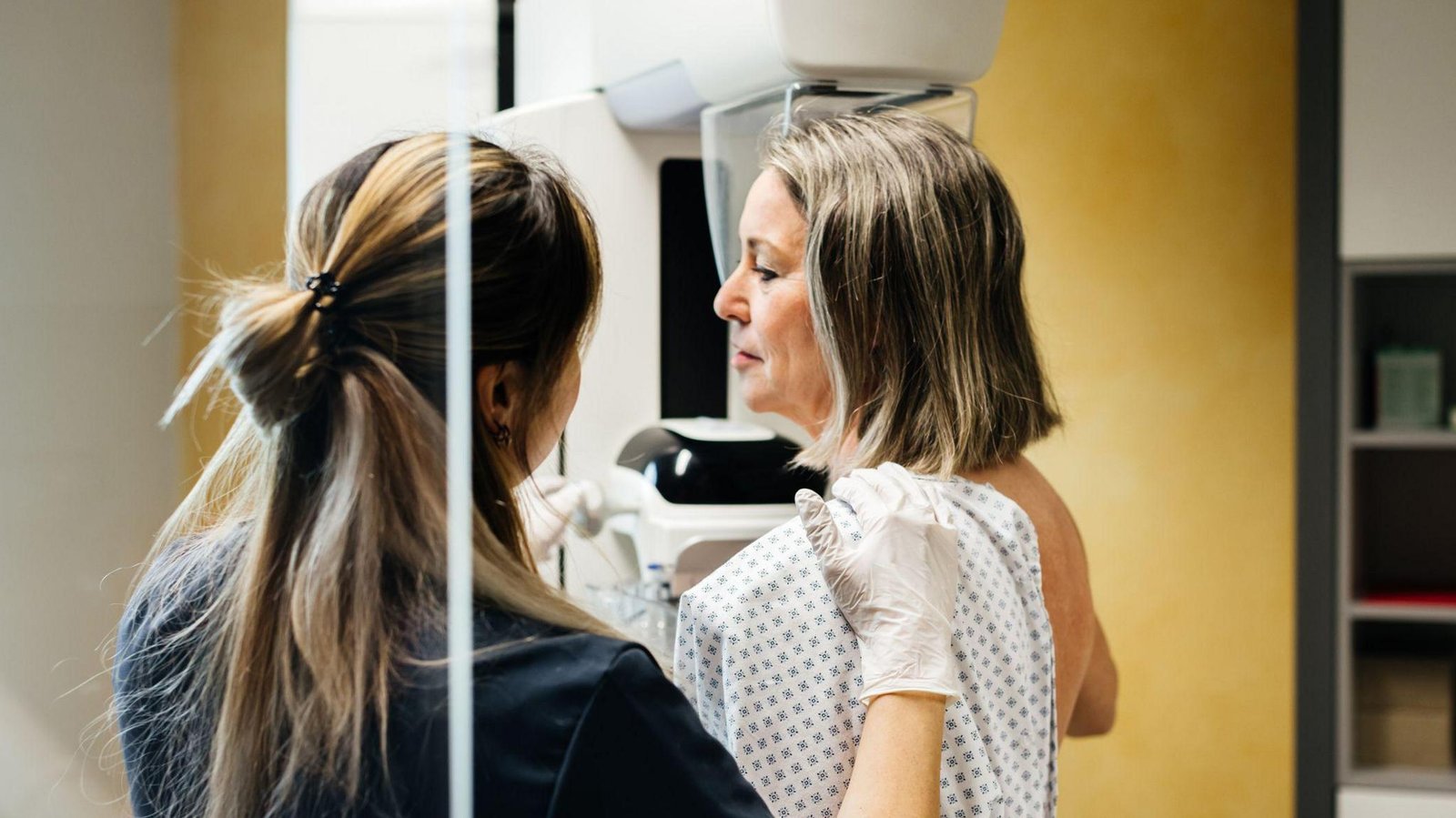
For context, women over 50 are routinely invited for mammograms as part of the NHS Breast Screening Programme. However, those under 50 are not offered routine screening unless they present with a strong family history of the disease. This leaves a large population of younger women without any form of proactive monitoring, even though breast cancer remains a leading cause of death in this age group.
In a study published in the British Journal of Cancer, researchers from the University of Cambridge and the Institute of Cancer Research employed a more comprehensive risk assessment tool. This tool, known as Boadicea, integrates a much wider array of data points, including detailed family history, lifestyle factors, reproductive milestones, and genetic markers. The findings were striking: the new tool identified eight times as many women under 50 who went on to develop breast cancer compared to the current NICE criteria.
Understanding the Current Risk Landscape
Breast cancer is the most common cancer in the UK, and while it is often associated with older age, it poses a serious threat to younger women. Approximately one in seven women will be diagnosed with breast cancer in their lifetime. However, only a small fraction of these cases—between 5% and 10%—are directly attributable to inherited genetic mutations like BRCA1 and BRCA2.
The vast majority of breast cancer cases occur in women over 40, with a quarter of all cases found in women over 75. Yet, the disease does not discriminate by age, and thousands of women under 50 are diagnosed each year. Even men are not immune, with around 420 new cases diagnosed annually in the UK.
The current NICE guidance advises GPs to discuss family history with women who are concerned about their risk. This conversation may also be prompted if a woman over 35 is using an oral contraceptive pill or considering hormone replacement therapy (HRT). These recommendations are based on the understanding that hormones can slightly increase breast cancer risk. However, they fail to account for other significant risk factors, such as alcohol consumption and obesity, which are known to have a more substantial impact.
The Limitations of Family History
The study’s authors highlight a critical flaw in the current approach: a reliance on family history as the primary gateway to further assessment. Their research found that a staggering 73% of women under 50 who develop breast cancer within a decade have no family history of the disease whatsoever. This means that the very women who could benefit most from early screening are often overlooked by the existing criteria.
This over-reliance on genetics creates a significant blind spot. While inherited mutations are a powerful indicator, they are not the whole story. Lifestyle and reproductive factors—such as age at first period, age at first childbirth, number of children, breastfeeding history, alcohol intake, and body mass index (BMI)—can all contribute to a woman’s overall risk. The Boadicea calculator incorporates these elements to provide a more nuanced and accurate risk score.
The Potential of a Broader Risk Assessment
The researchers modelled what would happen if all women under 50 were assessed using the Boadicea tool. Their projections are compelling. They estimate that approximately 26.5% of women in this age group would be classified as having an above-average risk and would be referred for further assessment, such as additional imaging or genetic counselling.
This broader approach would capture a significantly larger proportion of those destined to develop the disease. The model suggests that this strategy would identify 34.8% of women under 50 who go on to develop breast cancer within 10 years. In stark contrast, the current NICE criteria would only flag 1.4% of women for further assessment, capturing just 4.4% of those who will actually be diagnosed.
This eight-fold increase in detection rates underscores the potential life-saving impact of adopting a more holistic risk assessment model. By moving beyond a narrow focus on genetics, the NHS could identify and monitor a far greater number of at-risk women, potentially enabling earlier diagnosis and more effective treatment.
Weighing the Benefits and Challenges
While the findings are promising, the researchers are mindful of the practical implications. Lead researcher Dr. Juliet Usher-Smith acknowledged that the NHS should review its criteria in light of this evidence. However, she also cautioned that referring more women for additional checks would inevitably increase the workload on an already stretched healthcare system. It could also lead to unnecessary anxiety and invasive procedures for women who may ultimately not develop cancer.
Dr. Sowmiya Moorthie, from Cancer Research UK, which funded the study, echoed this sentiment. She stressed that any changes to the screening process must be accessible and equitable, while also carefully managing the potential psychological impact on women who receive a higher-risk classification. The goal, she noted, is to provide benefit without causing undue harm.
Several breast cancer risk calculators similar to Boadicea already exist, and none are perfect. They all carry a degree of uncertainty and can produce false positives. However, the study argues that their predictive power is substantially better than the current one-dimensional approach.
What Does This Mean for the NHS?
NICE has responded to the study, stating that it welcomes the findings and recognises the potential of multifactorial risk assessment tools. However, the organisation maintains that the current evidence base is not yet sufficient to warrant a change to its official breast cancer guidelines. This suggests that while the research is a significant step forward, more work is needed before a new policy can be implemented.
The NHS Breast Screening Programme itself is subject to regular evaluation by the UK National Screening Committee. Any major overhaul of the under-50 screening process would require careful consideration of cost-effectiveness, resource allocation, and the potential for over-diagnosis.
For now, the message to all women remains consistent: it is crucial to be aware of what is normal for your own body. This includes knowing the look and feel of your breasts and reporting any changes—such as a new lump, skin dimpling, or nipple discharge—to a doctor without delay. Early detection, regardless of age, is the single most important factor in improving survival rates.
This study adds to a growing body of evidence that a one-size-fits-all approach to cancer screening is insufficient. As our understanding of the complex interplay of genetics, lifestyle, and environment deepens, the case for more personalised risk assessment becomes increasingly compelling. The potential to save thousands of lives by identifying at-risk women earlier is a goal that warrants serious consideration from policymakers and healthcare providers alike.