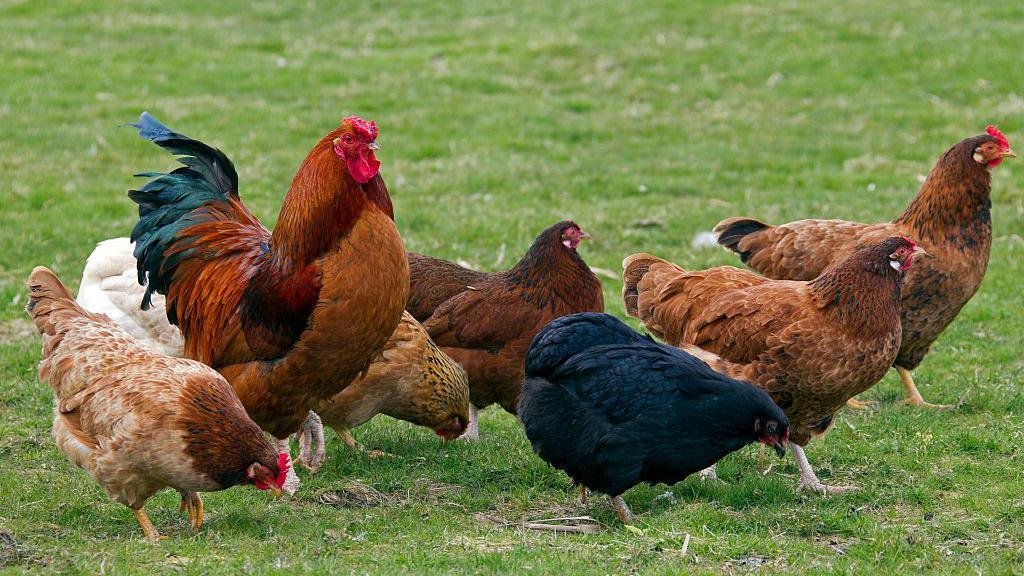

The first volunteers in the UK have received an experimental vaccine designed to protect against a potential bird flu pandemic. This new jab targets the H5N1 strain, a virus that has devastated bird populations globally and has recently been detected in some mammals. While the immediate threat to humans remains low, according to the UK Health Security Agency, almost all human infections so far have been linked to close contact with infected animals.
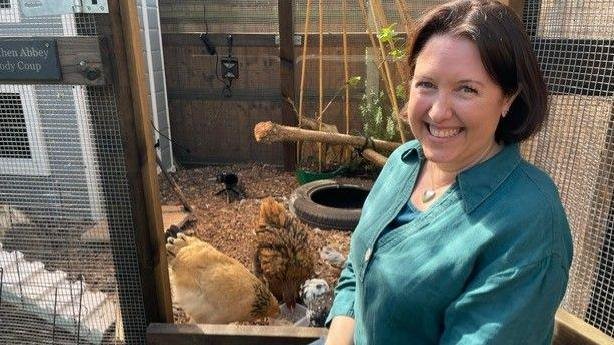
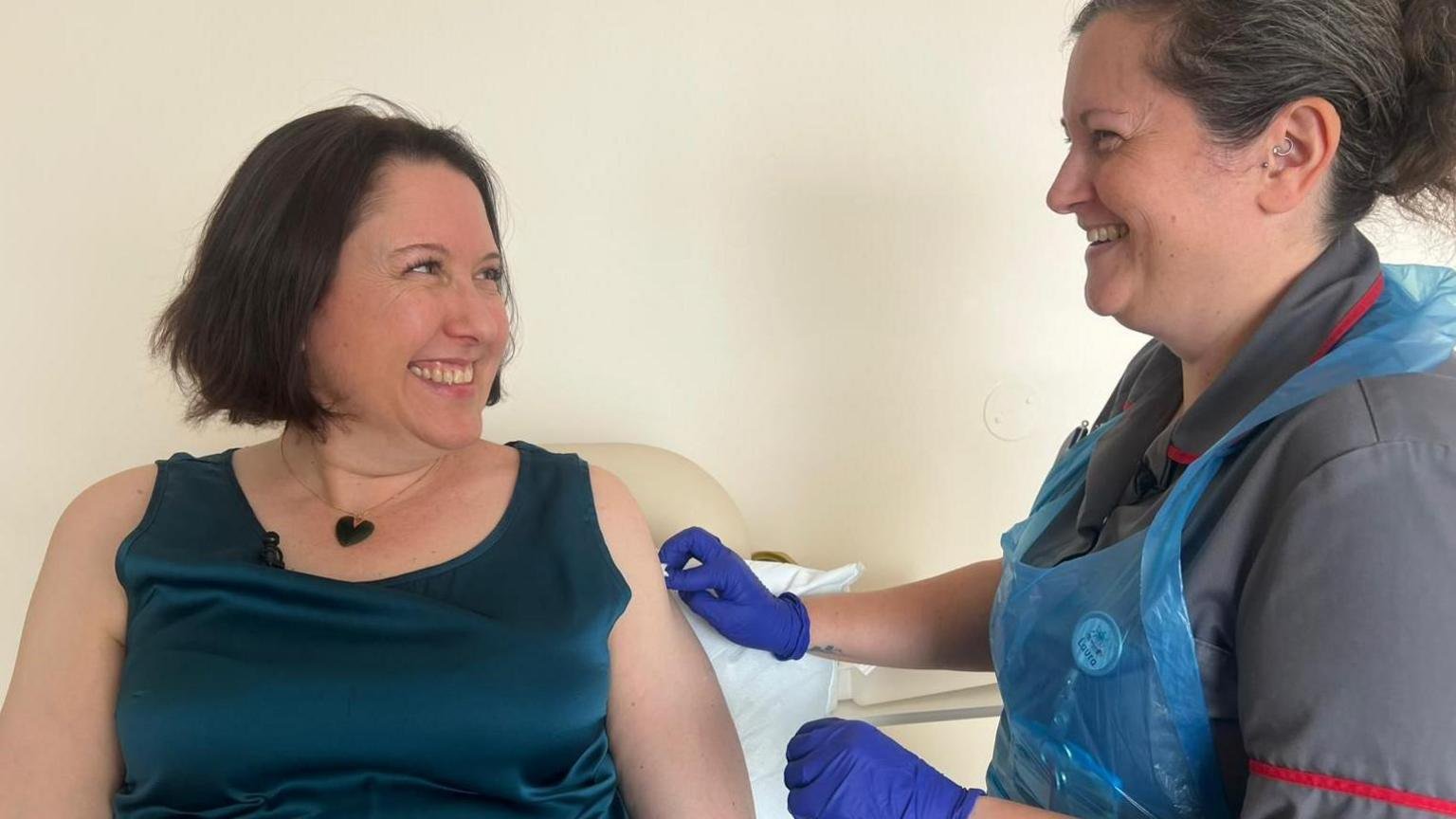
This vaccine leverages the same mRNA technology that proved so effective in COVID-19 jabs. Scientists believe this platform allows for rapid production and large-scale manufacturing, which would be crucial in the event of a pandemic. The trial is actively seeking participants from two high-risk groups: poultry industry workers and individuals over 65. Clare Howard, a long-time chicken keeper from Hampshire, was among the first to receive the vaccine at a clinic in Southampton. “It was quite easy and it could be something that ultimately proves incredibly important,” she said.
Large-Scale Trial Across the UK and US
The ambitious trial aims to recruit 4,000 volunteers. Three-quarters of these participants will be enrolled at 26 sites across England and Scotland, with the remainder joining from the United States. Dr Rebecca Clark, the national co-ordinating investigator based at Layton Medical Centre in Blackpool, emphasised the urgency. “The strain is evolving and spreading across animal species,” she noted. “Although it does not yet move easily between humans, we have to treat human-to-human transmission as a real possibility. This trial is our proactive attempt to shield against that possibility, and any future pandemic that could emerge from it.”
Since 2024, there have been 116 confirmed human cases worldwide, nearly all linked to close contact with infected animals. The study will rigorously assess whether the vaccine is safe and capable of generating a strong immune response. If successful, it could be licensed for use if the situation demands.
Bolstering Pandemic Resilience
Professor Lucy Chappell, chief scientific adviser at the Department of Health and Social Care and CEO of the National Institute for Health and Care Research, described the trial as “bolstering our pandemic resilience.” Should the vaccine be needed, it would be manufactured at Moderna’s new facility in Harwell, Oxfordshire, which currently produces COVID-19 vaccines for the UK. This plant has the capacity to produce 100 million doses annually, a figure that could be scaled up to 250 million doses during a pandemic.
Why mRNA Technology is a Game-Changer
Traditional flu vaccines are made by growing the virus in chicken eggs, a process that can be problematic when dealing with virulent avian strains that can kill the eggs. During the COVID-19 pandemic, mRNA vaccines demonstrated remarkable effectiveness in preventing serious illness and could be quickly adapted as new variants emerged. Flu pandemics are considered inevitable, even if the exact timing of the next one is uncertain. The flu virus is constantly mutating, which is why a new seasonal flu jab is needed each year. A pandemic occurs when the virus undergoes a major shift, creating a strain against which humans have no pre-existing immunity.
The last flu pandemic, in 2009, was the H1N1 “swine flu,” which proved relatively mild. However, the 1918 Spanish flu pandemic killed an estimated 50 million people worldwide. It is impossible to predict whether H5N1 will be the strain that triggers the next pandemic, but the need for preparedness is clear.
Learning from Past Vaccine Trials
This is not the first attempt to create an H5N1 vaccine. Earlier experimental vaccines have been developed, but they were not very effective. The new mRNA approach offers a more promising path. Since 2003, there have been around 1,000 confirmed human cases of H5N1 reported to the World Health Organization, with nearly half proving fatal. More recently, a strain circulating in the United States has caused milder symptoms, with eye inflammation being the primary sign.
Funding and Global Equity
The trial has received a significant boost from CEPI, the Coalition for Epidemic Preparedness Innovations, which provided £40 million in funding. This came after the US government cut $500 million in funding for mRNA vaccines in August 2025, following statements by Health Secretary Robert F Kennedy Jr, who has expressed scepticism about the technology. As part of the agreement, Moderna has committed to guaranteeing fast and affordable vaccine supply to low and middle-income countries in any future pandemic. CEPI stated this would help mitigate the “vaccine nationalism” seen during the COVID-19 crisis, when wealthy nations snapped up early supplies, leaving millions of people in poorer countries unprotected.
The start of this trial marks a significant step in global health preparedness. By proactively developing and testing a vaccine against a potential pandemic strain, scientists are working to ensure that if H5N1 does begin spreading among humans, we will be ready to respond quickly and equitably.