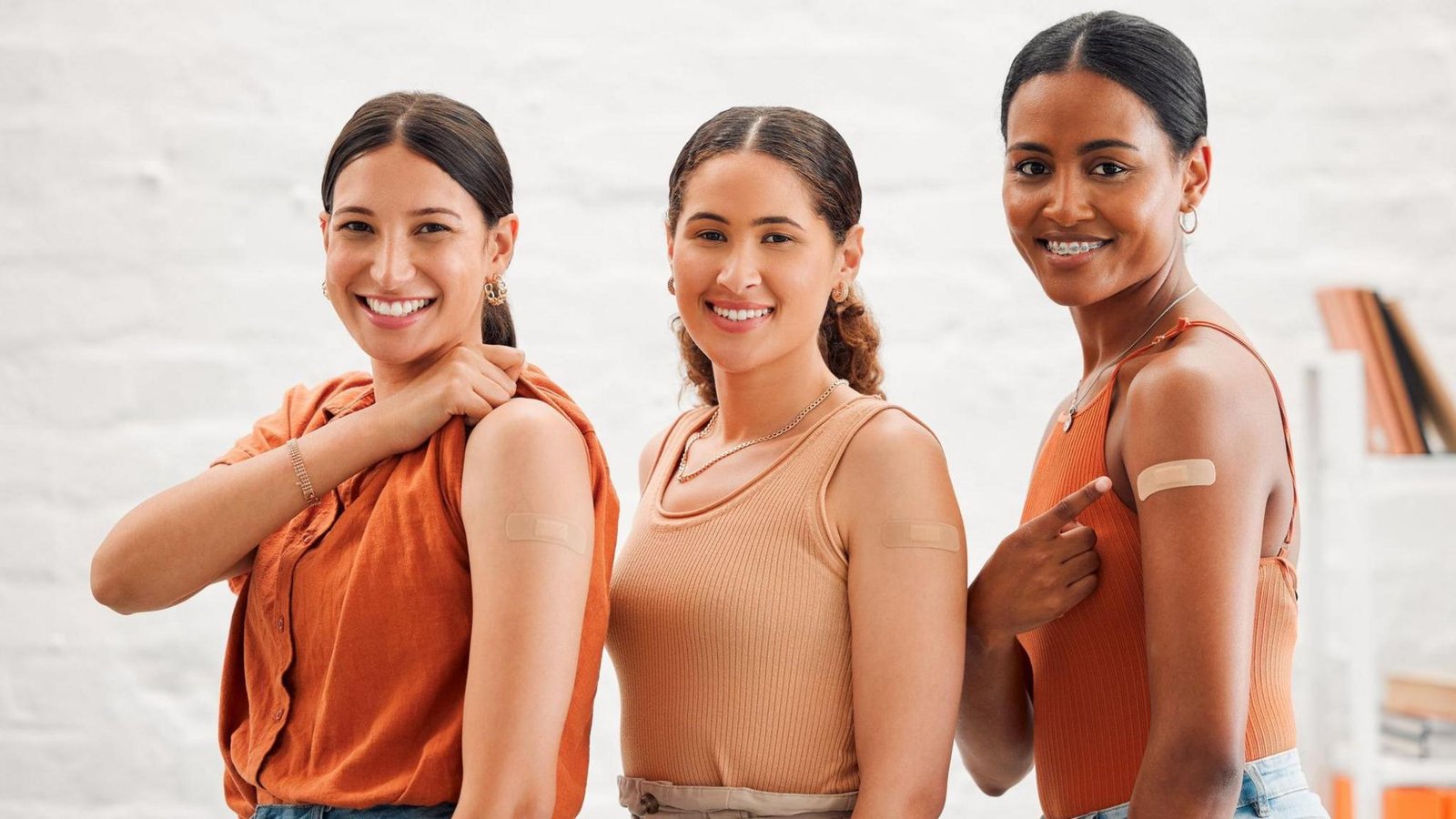


High street pharmacies across England are now offering a free meningitis B vaccine to many young people, following concerns about the UK’s largest and fastest growing outbreak that occurred in Kent earlier this year. Here’s everything you need to know about who needs the vaccine and how to get it.
What’s the vaccine and is it safe?
The vaccine protects against a dangerous strain of meningitis called meningitis B (MenB), which caused the outbreak in Kent. It does not contain any live bacteria and cannot cause meningitis. Common side effects include swelling, redness, or tenderness at the injection site, along with mild fever, nausea, headache, or muscle aches. These symptoms usually disappear within a day or two. More serious side effects are rare.
How can I book?
Bookings can be made at high street pharmacies across England from Monday 13 July, with the first appointments available from Monday 20 July. Seventeen and 18-year-olds can book via the NHS National Booking Service if they are already registered with a GP. Other students under 25 heading to a residential college or university for the first time this autumn can also contact a participating pharmacy.
You can get a walk-in MenB vaccine at a pharmacy if you were born on or after 21 July 2001 and are:
- starting university for the first time this autumn
- starting at a further education college as a residential student
International students and students from elsewhere in the UK (Scotland, Wales, Northern Ireland, the Channel Islands, the Isle of Man) studying in England are also eligible, as well as those travelling abroad to study. You do not need to be registered with a GP to use the walk-in service. Find a participating pharmacy on the NHS website.
Who can get the MenB vaccine?
The vaccine is given as two doses, at least 28 days apart, and both doses are needed for the fullest protection. Around one million young people are expected to be eligible in England, including:
- people born between 1 September 2007 and 31 August 2008
- people born on or after 21 July 2001 and starting university for the first time this autumn
- people born on or after 21 July 2001 who are starting at residential further education colleges for the first time this autumn
Why are students advised to get the vaccine?
The meningitis outbreak in Kent in March was described as unprecedented and explosive. Within weeks, there were 29 confirmed or suspected cases and two deaths. This prompted a new, one-off campaign to protect those at greatest risk and prevent similar outbreaks. Students in their first year of university have a risk about seven times higher than young people of a similar age not attending university, according to NHS England. Meningitis infections spread through close contact—kissing, sharing vapes or drinks, or living in close quarters. UK health officials say the risk is higher for 18-year-olds and first-time university or residential college students due to increased social mixing and shared accommodation.
How dangerous is MenB?
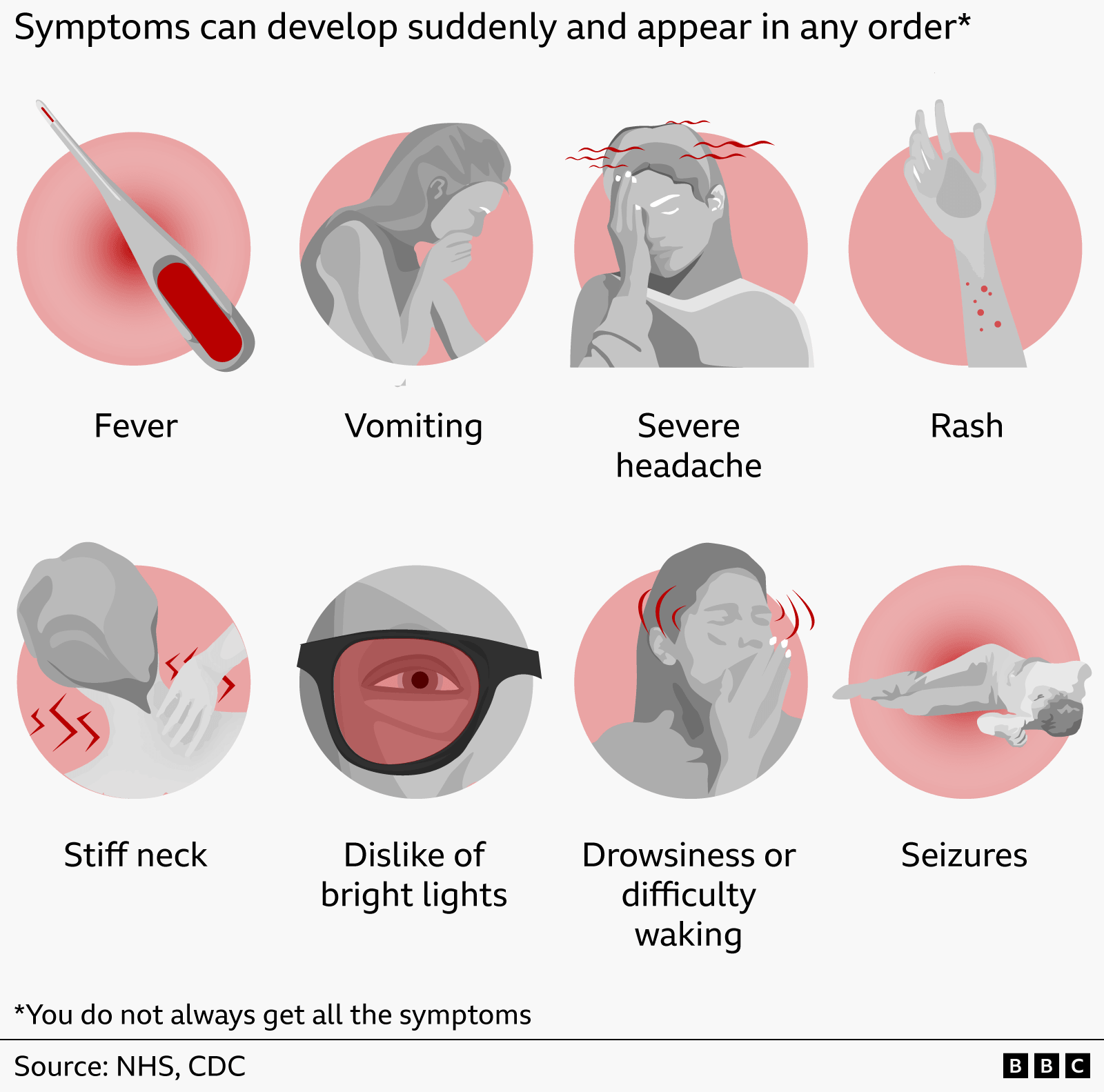
MenB infection can cause serious, life-threatening problems, including inflammation of the brain lining (meningitis) and blood poisoning (sepsis). It can lead to life-changing disabilities such as amputations, hearing loss, and brain damage, and in some cases can be fatal. Vaccination can save lives.
Why not all teens?
The MenB vaccine was added to the UK NHS childhood immunisation programme for babies born on or after 1 July 2015. This means teenagers and young adults over 11 have not received this jab. Young babies are vaccinated because they are more likely to get invasive infections. However, research suggests the MenB vaccine does not necessarily prevent transmission, does not target all B bacteria strains, and does not provide long-term protection. UK vaccine experts now say the government should consider routinely offering the vaccine to all teenagers around age 15. Meanwhile, they urge everyone eligible to come forward to prevent serious illness. Around 10,000 people in the Kent region have already received jabs as part of the response to the March outbreak.
What about the rest of the UK?
Each nation has its own plans, but all are offering the vaccine to most pupils completing Year 13 or S6 in summer 2026, regardless of their education plans, including those not currently in school. Young people aged 18-25 starting university or moving into residential further education for the first time in autumn 2026 are also eligible. In Wales, those aged 17-18 will receive a letter from health boards from early July, while those aged 18-25 entering higher education need to contact their health board later in July.
What about other types of meningitis?
Meningitis can be caused by many viruses or bacteria, spread through close contact. Viral meningitis usually gets better on its own within seven to 10 days and can be treated at home with rest, painkillers, and anti-sickness medicine. Bacterial meningitis requires hospital treatment. Outbreaks are thankfully rare. Currently, a separate vaccine covering different strains—the MenACWY vaccine—is offered routinely to 14-year-olds.