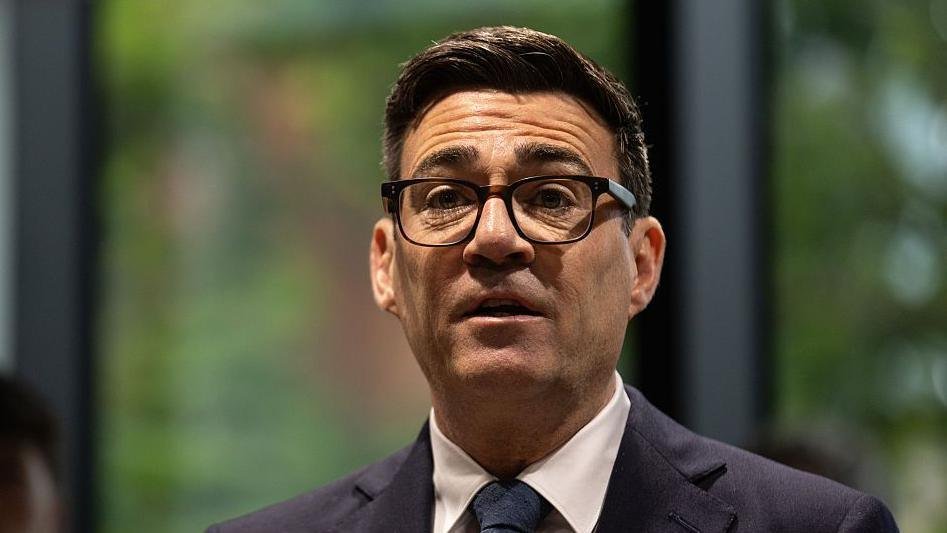
Andy Burnham will deliver a major speech on social care next week, marking the first of several policy addresses aimed at demonstrating his government’s commitment to tackling long-standing national challenges. Downing Street has framed the announcements as evidence that the prime minister is “hitting the ground running” after taking office.
The prime minister will also separately address youth unemployment and devolution in the coming days. A Number 10 source described these three areas as “some of the most difficult issues facing the country that have been ignored for too long.”
A Long-Standing Commitment to Social Care
Burnham first proposed a universal system of social care in England back in 2009, when he served as health secretary under Gordon Brown. He has now vowed to spend significant political capital on the issue as prime minister, signaling that reform is a top priority for his administration.
A Number 10 source said: “Andy is going to run towards problems that have been neglected, giving people hope again.” The source added: “He has the courage to fix the most difficult issues that have been ignored for years and seen as impossible to resolve. He doesn’t accept that they are. They can’t be ignored any longer.”
The source continued: “The prime minister is determined to show that governments can make people’s lives better if they choose to. He wants to get Britain believing again.”
The Current State of Social Care
Unlike the National Health Service, social care in England is not free at the point of use. Individuals with savings exceeding £23,250 are not entitled to help with care costs from their local council, leaving many families facing significant financial strain.
Burnham is not the first leader in recent years to pledge to address the adult social care crisis. In 2019, Boris Johnson, in his first speech as prime minister, promised the Conservative Party would “fix the crisis in social care once and for all.” Five years later, in July 2024, Keir Starmer faced criticism when Labour scrapped plans for an £86,000 cap on the amount anyone in England would need to spend on personal care over their lifetime.
Cross-Party Reactions
Liberal Democrat leader Sir Ed Davey, who has long pushed for social care reform, said on Saturday: “This has to be the start of a real effort to end the social care catastrophe.” He added: “I’ll fight to ensure family carers aren’t forgotten. We need cross-party consensus, and I hope the PM’s door is open.”
Burnham responded to Sir Ed on social media platform X, writing: “It most certainly is, Ed. Let’s work together to find some common ground.”
However, Conservative Party chairman Kevin Hollinrake struck a more skeptical tone, asking: “Where’s the money coming from, Andy? We’re all dying to know. It is all well and good for the prime minister to promise to fix the issues facing our country, but how is he going to pay for them?”
First Week Policy Actions
In the first week of his premiership, Burnham has already announced several key policies. He has pledged to end rough sleeping in England, cut VAT from domestic electricity bills in the current financial year, and reduce the cap on bus fares outside of London from £3 to £2 starting in January. The government also announced a 20% cut in business rates for pubs, clubs, and live music venues in England, effective from April.
Youth Unemployment and Devolution
Beyond social care, Burnham is expected to outline plans to tackle youth unemployment, a persistent issue that has seen many young people struggle to find stable work. The devolution agenda will also be a key focus, with the prime minister expected to discuss how greater powers can be transferred to local regions to drive economic growth and improve public services.
These announcements come as Burnham seeks to establish his government’s direction and priorities early in his tenure, aiming to address what he and his team describe as long-neglected problems that require urgent action.