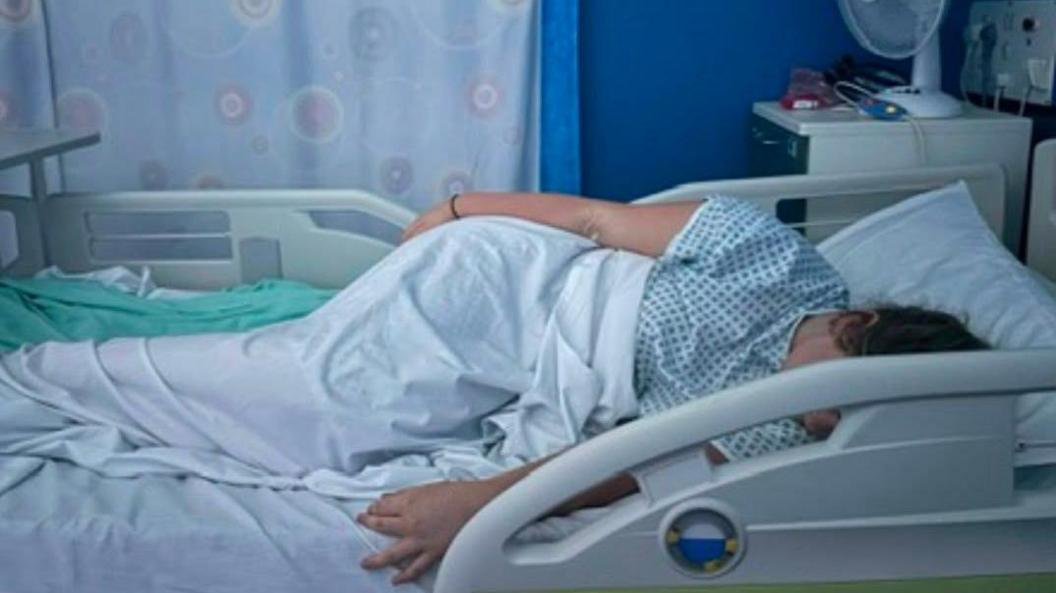


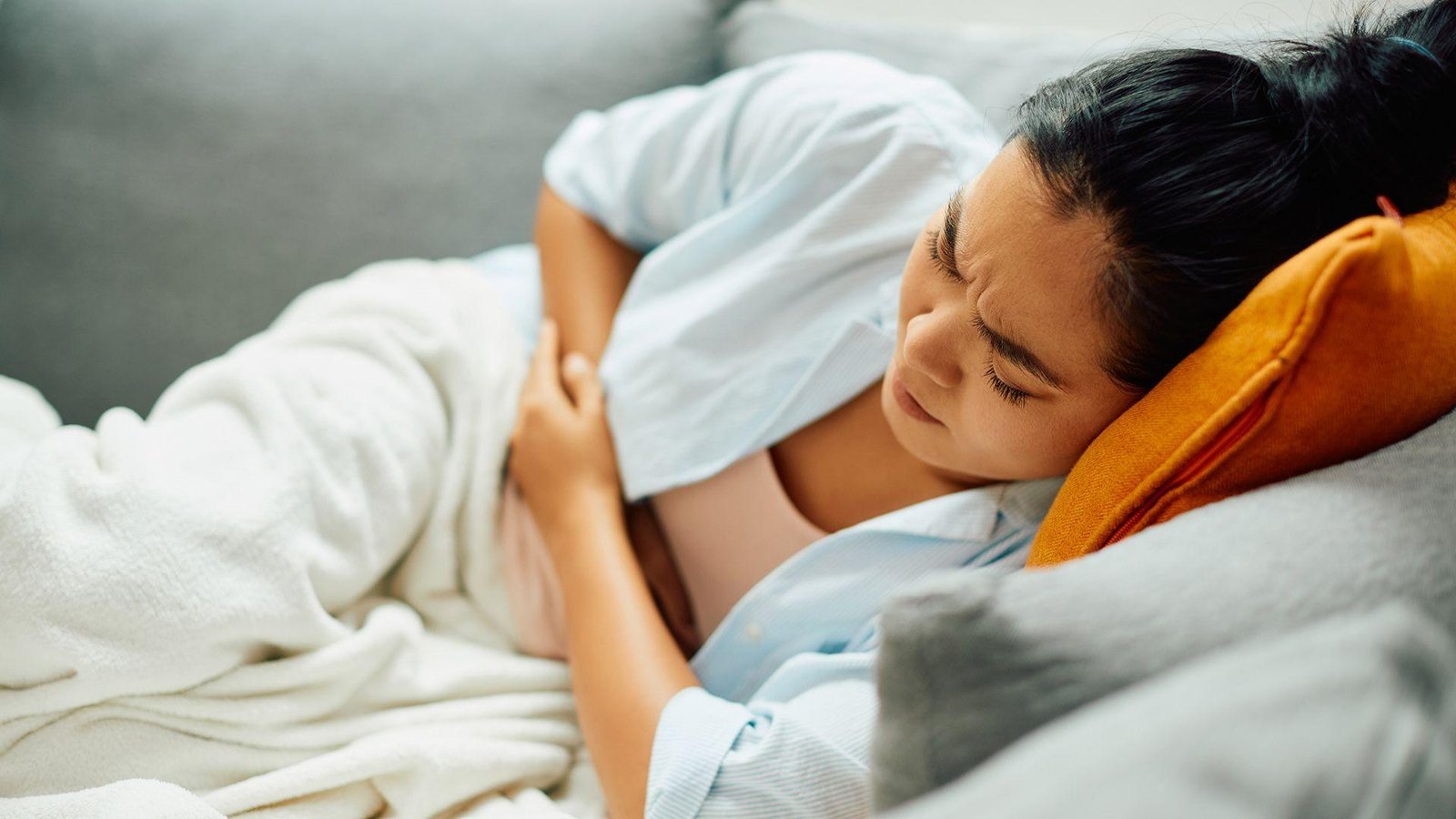
Every month, as her period approaches, 14-year-old Grace knows what’s coming: a wave of pain so intense that she often can’t walk, let alone go to school. Her parents have to carry her to the car, and they rush to the hospital, where she waits for hours in A&E, only to be sent home with stronger painkillers and tears in her eyes.
For a long time, Grace, from Yorkshire, felt that doctors didn’t take her seriously. “I felt like I was seen as a girl who didn’t want to go to school and was being dramatic,” she says. She was given a range of possible explanations for her suffering: irritable bowel syndrome, a cyst, anxiety, or simply “a bad period.” But Grace knew something deeper was wrong. “I knew it was more than that,” she insists.
Time and again, doctors told her that it couldn’t be endometriosis—an incurable condition where tissue similar to the womb lining grows outside the uterus, causing lesions and scarring on internal organs—because she was too young. Her requests for further investigation were repeatedly ignored.
‘It’s like heated barbed wire around my abdomen’
Grace’s periods started when she was 11. By 13, she was experiencing excruciating pain around menstruation. She describes the sensation as if “heated barbed wire” were wrapped around her abdomen. “It’s like my organs are being pulled apart,” she says.
Her pain is so severe that she is often bedbound. When the painkillers she has at home run out, she has to go to the hospital, where she is regularly given morphine. She has also been prescribed co-codamol and tramadol. The prospect of relying on such strong opioids worries her deeply. “It’s scary,” she says, “because I don’t want to have to rely on them for the rest of my life.”
But the most frustrating part for Grace—and the reason she reached out to BBC Your Voice—is that she doesn’t believe medical professionals recognize that teenagers and adolescents can suffer from endometriosis.
Her GP didn’t diagnose her condition, and neither did the first consultant she saw privately. “Even a specialist didn’t believe me,” she says. “And if a specialist won’t listen to me, who will?” It wasn’t until her family pushed for a second private opinion that she finally received a positive diagnosis.
What is endometriosis?
Endometriosis occurs when tissue similar to the lining of the womb grows outside it, leading to debilitating symptoms like pelvic pain, heavy periods, and fatigue. According to NHS data, about 10% of women are affected. The condition can develop at any age once periods begin, and it’s a common misconception that only older women suffer from it, says the charity Endometriosis UK.
Faye Farthing, a spokesperson for the charity, emphasizes the need for better menstrual health education for young people. “The government, NHS, and health practitioners need to improve menstrual health education if we are to ensure the next generation are not robbed of the future they deserve,” she says.
The charity notes that diagnosing endometriosis can take a long time—an average of nine years in older women. In the early stages, especially in teenagers, the condition often doesn’t show up on an ultrasound scan. However, new tests are being developed that could help spot the condition earlier.
The emotional and physical toll
Beyond the physical agony, endometriosis can have a profound emotional impact. Grace has been warned that the condition is likely to affect her fertility. Even at 14, she’s been told she may not be able to have children after the age of 30 due to damage to her reproductive organs. “I have to have kids within the next 15 years, otherwise I might not be able to,” she says, feeling rushed and anxious about her future.
Paediatric gynaecologist Dr Gail Busby says that nearly 80% of adolescents will experience painful periods, but clinicians should recognize when symptoms are not normal—like missing school, missing PE every month, or not going out with friends. “When you’re in bed and your best friend is a hot water bottle—that’s not normal,” she says.
Dr Busby sees girls both younger and older than Grace at her clinics. As well as her NHS work, she has opened a private adolescent endometriosis clinic in Manchester. She stresses that the impact of symptoms is not just physical. Girls like Grace are more likely to suffer from anxiety or depression because their pain disrupts an important time for educational, emotional, and social development. “We should enjoy adolescence,” she says, “but they can’t do what they enjoy doing, what their peers are enjoying doing.”
A family’s struggle
Grace’s mother, Samantha, says that even though there is a history of endometriosis in their family, getting a diagnosis was still an uphill battle. “When your child’s on the floor in pain, it’s very clear it’s not just a bad period,” she says. “But professionals say, ‘Oh we’ll just put you on the pill for six months and see how we go.'”
Recently, Grace had a laparoscopy—keyhole surgery—to remove the endometriosis tissue. She hopes the procedure will help relieve her symptoms, at least temporarily. She has also been advised to take a hormonal contraceptive to help slow monthly tissue growth and lessen the pain.
Speaking out for change
By sharing her story, Grace hopes more teenagers will have the confidence to pursue a diagnosis. “I felt I was going crazy. That it was all in my head,” she says. “But actually, you know your body best and your pain is real.”