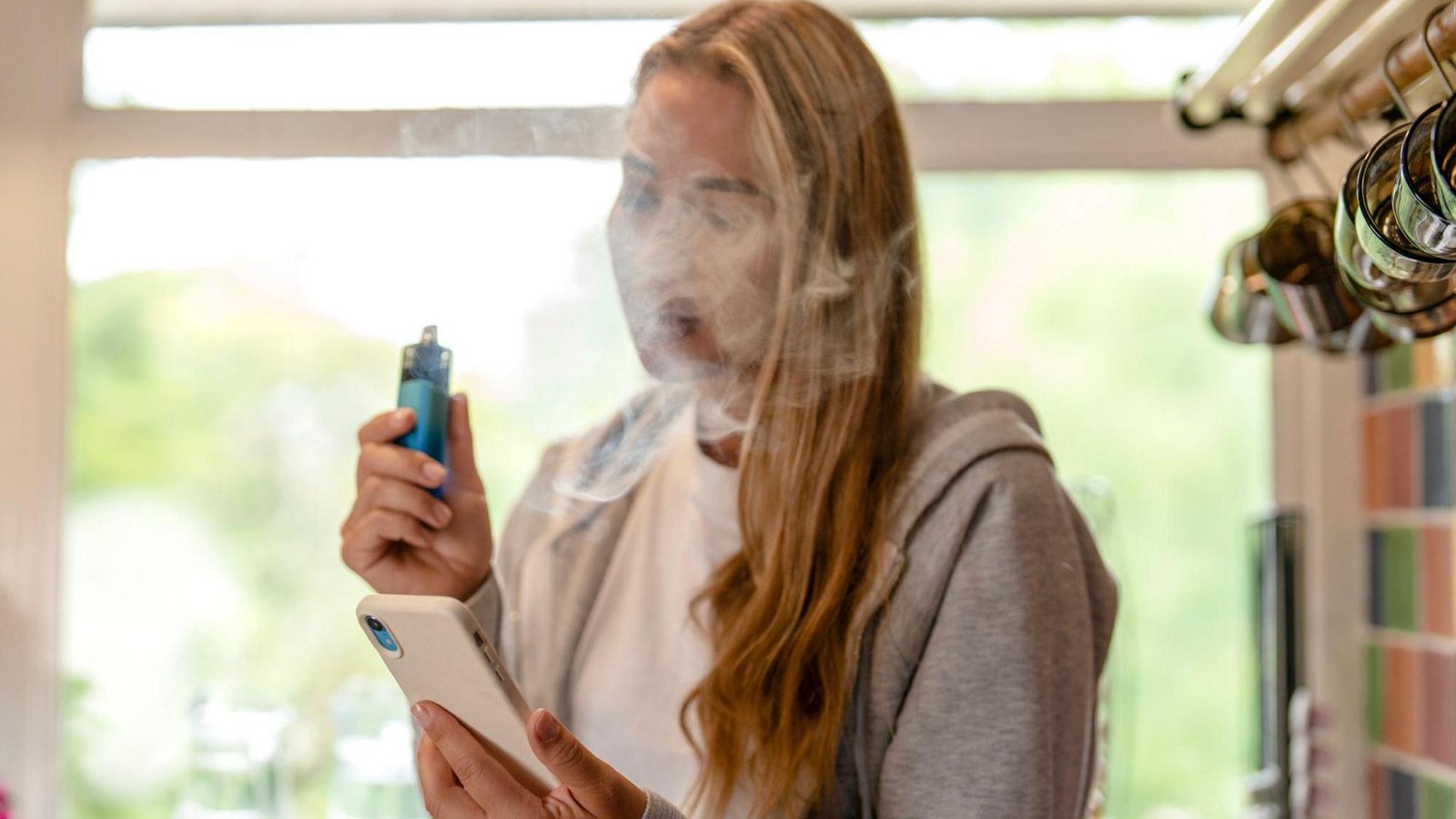


Vaping is not a harmless activity for young people and could lead to significant health problems, according to a new review by the Royal College of Paediatrics and Child Health (RCPCH). The organization is calling on the UK government to take stronger action to make these products less appealing to children and teenagers.
The comprehensive review, which analyzed 81 studies on the health and social impacts of vaping among young people, found clear associations with respiratory issues, including wheezing and coughing, as well as poor oral and dental health, sleep disturbances, mental health challenges, and eye irritation. The findings also highlighted potential harm to babies born to mothers who vaped during pregnancy.
What the Evidence Shows
The systematic review, published in the journal Archives of Disease in Childhood, emphasizes that vaping should not be viewed as a harmless part of growing up. The evidence points to a concerning pattern of negative health outcomes that warrant urgent attention from policymakers, healthcare professionals, and parents alike.
Respiratory and Other Physical Health Concerns
One of the most consistent findings was the link between vaping and breathing problems. Young people who vape are more likely to experience wheezing, coughing, and other respiratory symptoms compared to their non-vaping peers. The review also noted that vaping is associated with poor oral and dental health, which can lead to long-term dental issues if left unaddressed.
Beyond the lungs and mouth, the studies indicated that vaping may contribute to poor sleep quality and eye symptoms, which can affect a young person’s overall well-being and daily functioning.
Mental Health and Behavioral Impacts
The review also uncovered a connection between vaping and mental health problems. While the exact nature of this relationship requires further research, the association suggests that vaping could exacerbate or contribute to emotional and psychological difficulties in young people.
Additionally, the evidence showed a clear link between vaping and nicotine dependence, as well as a higher likelihood of transitioning to cigarette smoking. This is particularly worrying because nicotine is highly addictive and can harm the developing adolescent brain.
Experts Call for Stronger Action
Professor Will Carroll, co-author of the review, stressed that the evidence reveals “clear links” between vaping and respiratory symptoms, nicotine addiction, and subsequent smoking. He urged immediate action: “We must act to make vaping less attractive and accessible to children.”
Dr. Mike McKean, Vice-President for Policy at the RCPCH, echoed this sentiment, noting that vaping is still a relatively new product with many unknowns regarding its long-term impact. “A clear and concerning picture is emerging,” he said. “We need to keep pace with a rapidly evolving market and continue to take action to protect children from nicotine products.”
Government Proposals and the Tobacco and Vapes Act
The UK government has already taken steps to address youth vaping, including the recent passing of the Tobacco and Vapes Act, which aims to create the first smoke-free generation. Under this legislation, anyone born after 1 January 2009 is now banned from buying cigarettes for life, and the sale of tobacco to this age group is illegal.
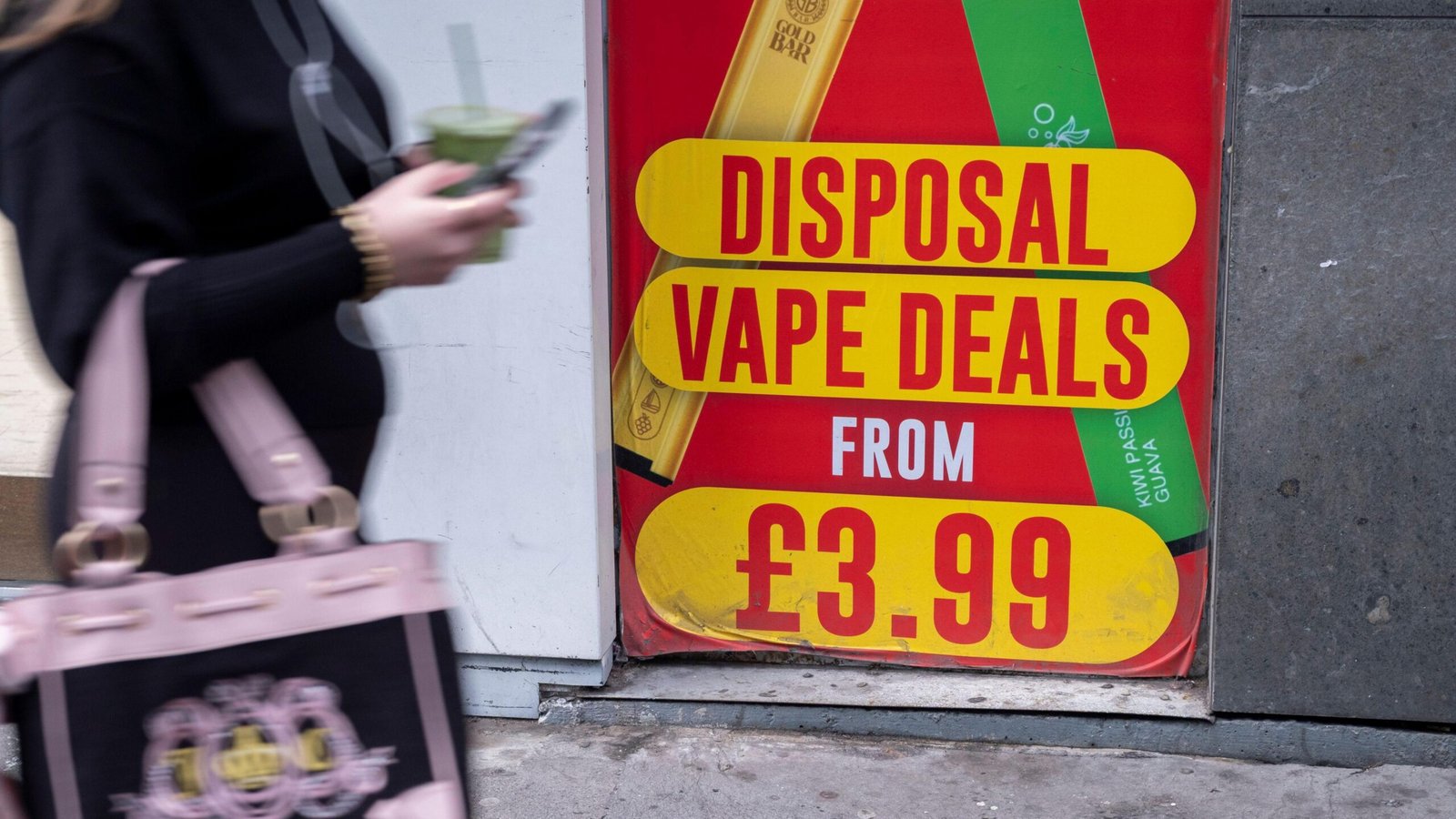
In July, the government launched a 12-week consultation on proposals to further restrict the appearance, packaging, and display of vapes. These measures are designed to reduce the appeal of vaping products to children. Proposed changes include:
- Requiring plain packaging with strict limits on branding
- Using only simple flavour descriptions like “apple” or “cola” instead of enticing names
- Moving vapes out of sight in shops, similar to how cigarettes are currently displayed
While these steps are welcomed, experts argue that more needs to be done. Professor Carroll suggested that the government should “go further and limit the types of flavours available to them as opposed to just their descriptions.” Dr. McKean added that the new act is “an important step towards protecting children from nicotine addiction, but it must not be seen as a one-and-done solution.”
Prevalence of Youth Vaping
The concern over youth vaping is well-founded. According to a poll conducted for the charity Action on Smoking and Health (ASH), nearly one in five 11 to 17-year-olds in Britain have tried vaping. This statistic underscores the urgent need for effective prevention strategies.
Hazel Cheeseman, Chief Executive of ASH, commented: “The evidence remains clear that vaping is less harmful than smoking but is not risk free.” She emphasized that “strong controls on marketing and promotion will be key to reducing youth vaping,” drawing parallels to the successful efforts to curb tobacco use.
Andrew McCracken from the charity Asthma + Lung UK added a balanced perspective: “Vapes can play an important role for current smokers looking to quit, but anyone who doesn’t smoke, shouldn’t vape, and that is especially true for children.”
Government Response
A spokesperson for the Department of Health and Social Care reiterated the government’s position: “Children should never vape and this evidence shows just some of the risks associated.” They highlighted existing measures, including a ban on single-use vapes and legislation to ban advertising and sponsorship from next year. The spokesperson also confirmed that the government is consulting on proposals to crack down on packaging that appeals to children.
As the consultation period continues, health experts, charities, and policymakers are united in their call for robust action to safeguard the health of young people. The message is clear: vaping is not harmless, and protecting children from nicotine addiction must remain a top priority.