


Some women in Wales may be left with no option but to continue an unwanted pregnancy because surgical abortion services are not adequately available, a senior obstetrician has warned.
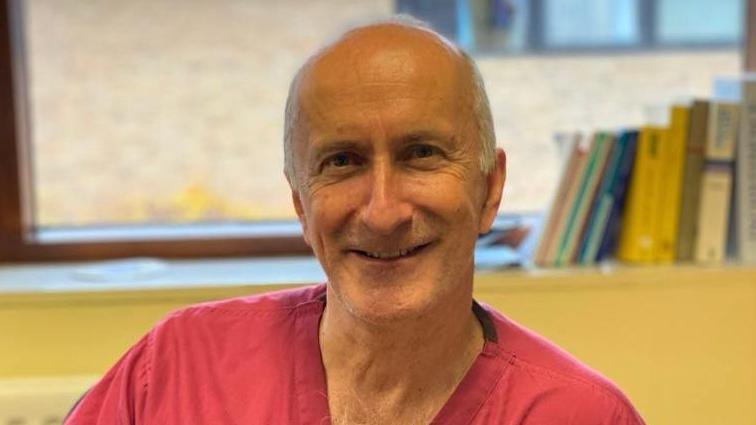
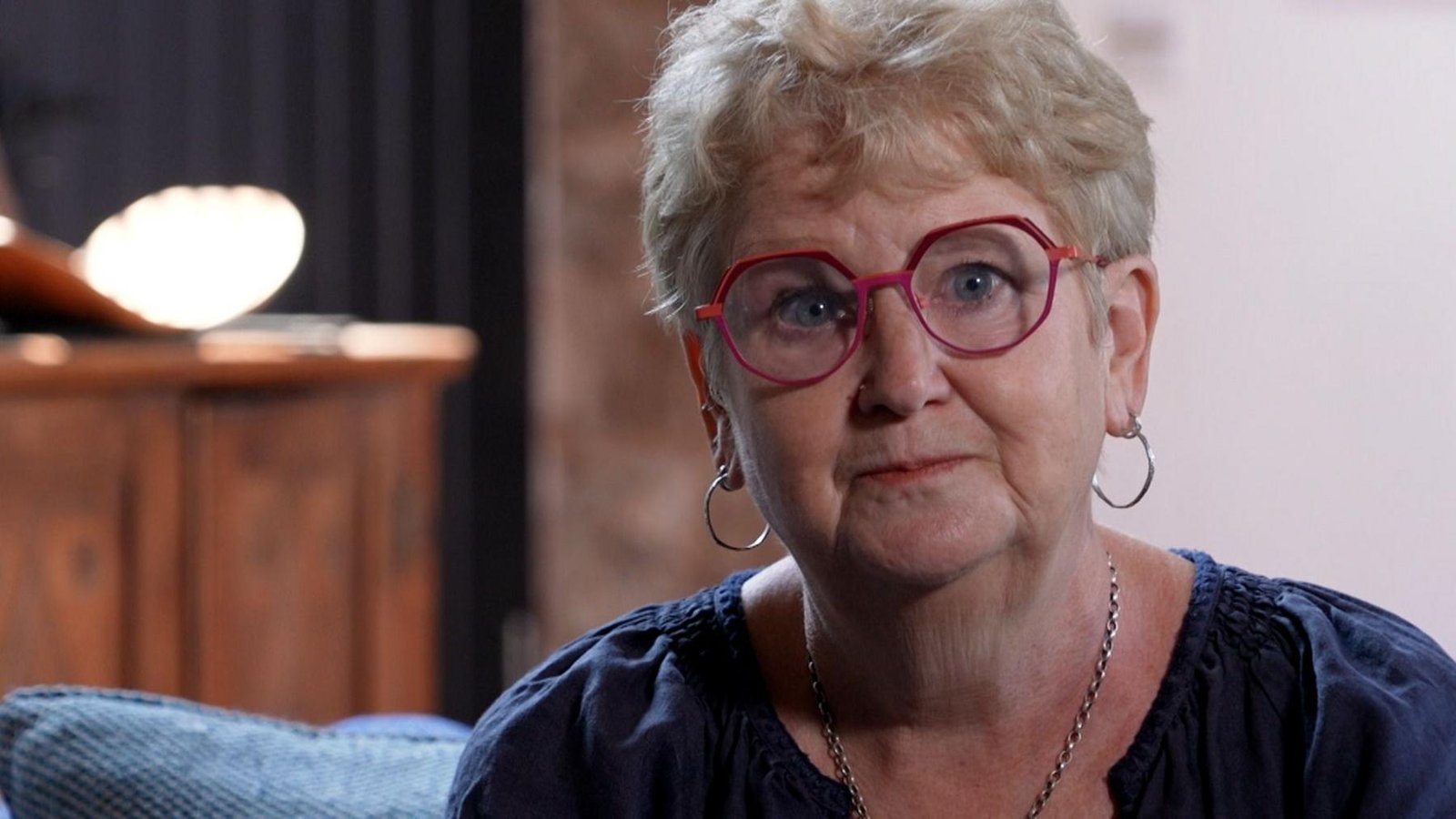
Dr Ed Dorman, who runs a British Pregnancy Advisory Service (BPAS) clinic in London, says he treats women from Wales every other week. But he is deeply concerned about the “unknown number” who, he believes, have little choice but to carry their pregnancies to term because they cannot access the care they need closer to home.
BBC Wales has learned that women from Wales face the added “trauma” of travelling to England for care after 18 weeks of pregnancy. The Welsh government says it is working with NHS Wales to identify and address the barriers to providing surgical abortion services locally.
The Current State of Abortion Care in Wales
In Wales, as in England and Scotland, abortion is legally permitted up to 24 weeks of pregnancy, provided two doctors give their approval. The vast majority of women—around 90%—who choose to end a pregnancy opt for a medical abortion, which involves taking tablets at home.
After 10 weeks of pregnancy, a medical abortion can be performed at a clinic or hospital, or women can have a short surgical procedure, known as a surgical abortion. Surgical abortions are often faster and offer quicker recovery times, but they are rarely available in Wales, forcing many women to travel over the border into England.
The Impact on Women from Wales
Dr Jane Dickson, who represents the British Society of Abortion Care Providers (BSACP) in Wales, says surgical abortions could be a better option for many women, but their scarcity in Wales means women must make difficult journeys. She also highlights that conscientious objection—where staff can refuse to participate in care on moral or religious grounds—is “widespread” and is making a “bad situation” with provision even worse.
Dr Dorman, a consultant obstetrician and gynaecologist, explains the emotional toll this takes on his patients.
“It’s a traumatic experience for anybody,” he says. “And to add the trauma of having to travel, arrange overnight accommodation in a hotel or somewhere in London, spending two days away from home and your local support network is really hard for some women.”
His greatest worry is for those who never make it to his clinic. “What worries me the most is I only see the women who manage to make it,” he adds. “There may be a significant number of women who never manage to do the journey—and are forced to continue an unplanned pregnancy in really difficult circumstances.”
The Reality of Travel for Abortion Care
BPAS has previously reported that around 175 women from Wales travel to England for surgical abortion care each year. The charity, which provides some abortion care on behalf of the NHS, currently sees women from north and mid Wales at its sites in Chester, Birmingham, and Merseyside.
Women between 14 and 18 weeks pregnant had previously been able to access surgical abortions at BPAS’s Cardiff clinic. However, that site has now closed to move to a new location, meaning women beyond 18 weeks must travel to England for a surgical abortion.
Conscientious Objection and Its Consequences
Dr Dickson says conscientious objection is also delaying and obstructing access to abortion care in NHS settings in Wales. The Abortion Act 1967 allows those with a conscientious objection to refuse to be part of treatment, unless that care is immediately necessary to save life or prevent grave permanent injury to a pregnant woman. These objections can be religious, moral, or personal.
She describes one case where a woman who had an abnormality in her pregnancy had her care delayed by six weeks. In another, a woman couldn’t afford to travel.
“The only appointment availability was in England,” she says. “She was young. She didn’t have any support, and she actually made the decision that she would not be financially able to travel. So, she actually kept the pregnancy.”
Dr Dickson says conscientious objection is widespread in Wales and needs to be addressed. “Many people won’t support routine care provision,” she explains. “So this means that often obstructions are put in place, like having the availability of an operating theatre in which you can perform the procedures, or availability of support staff.”
Funding and Workforce Challenges
The abortion doctor also points out that it is difficult to isolate funding for abortion care because it is not ring-fenced. “We can’t be a country that doesn’t offer a basic requirement of care that has been legal for 60 years,” she adds.
The Royal College of Obstetricians and Gynaecologists (RCOG) says abortion care is essential healthcare and must be accessible to every woman in Wales, wherever she lives.
“We are calling on the Welsh government to invest in the workforce needed to deliver these services, ensuring there are enough trained skilled staff in Wales,” says RCOG vice president for education Melanie Tipples.
She adds that while healthcare professionals have a legal right to object to participating in abortion procedures, this should “never be the reason a patient can’t access safe, timely and legal care”.
The Welsh Government’s Response
The Welsh government says women should be able to access “essential healthcare services closer to home”.
“The deputy minister for women’s health has made improving abortion services one of this year’s priorities as part of a strengthened women’s health plan,” a spokesperson adds.
But for now, women from Wales continue to face the burden of travel, and experts worry that without significant changes, some will be left with no choice but to continue pregnancies they did not plan.