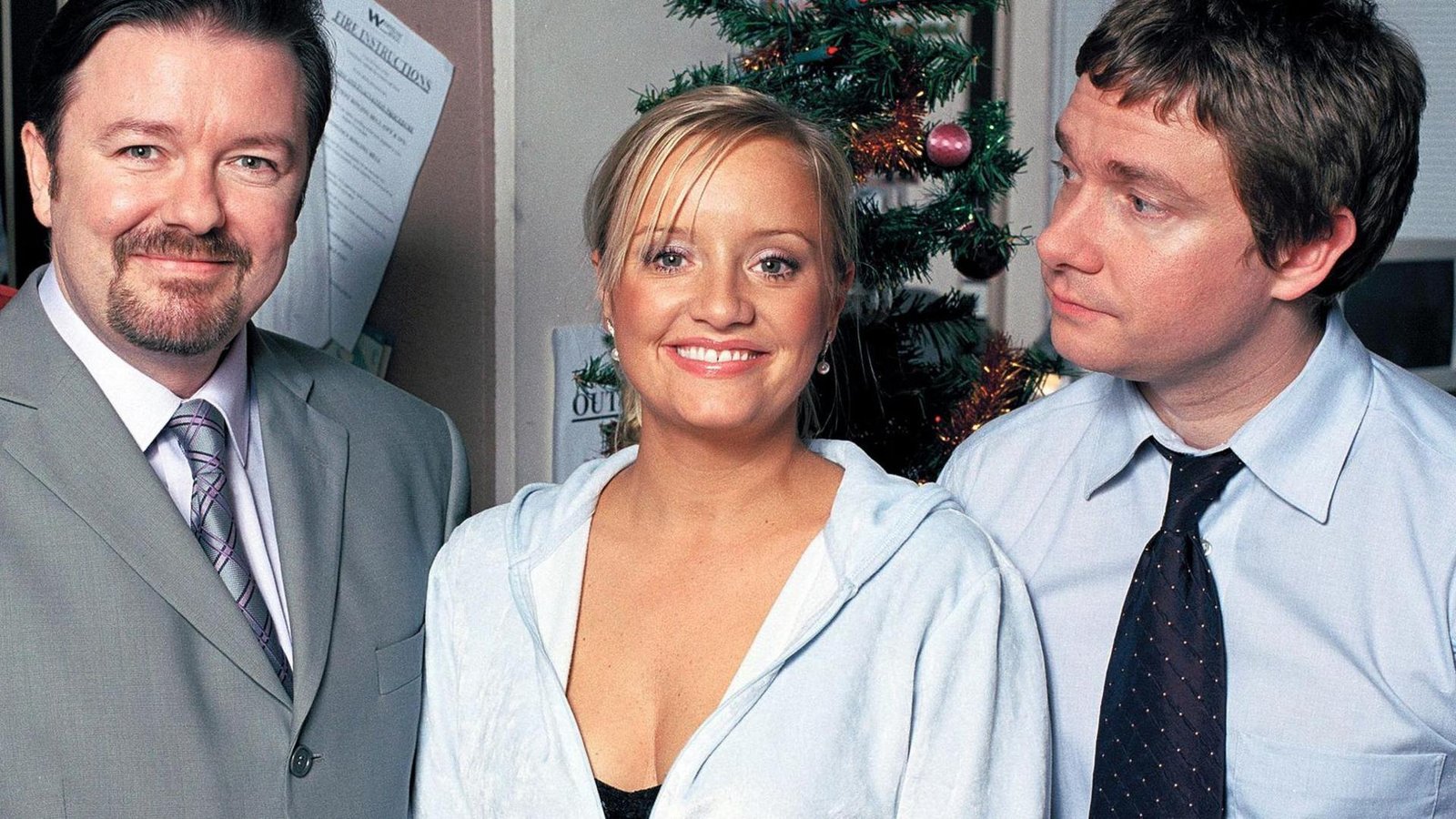
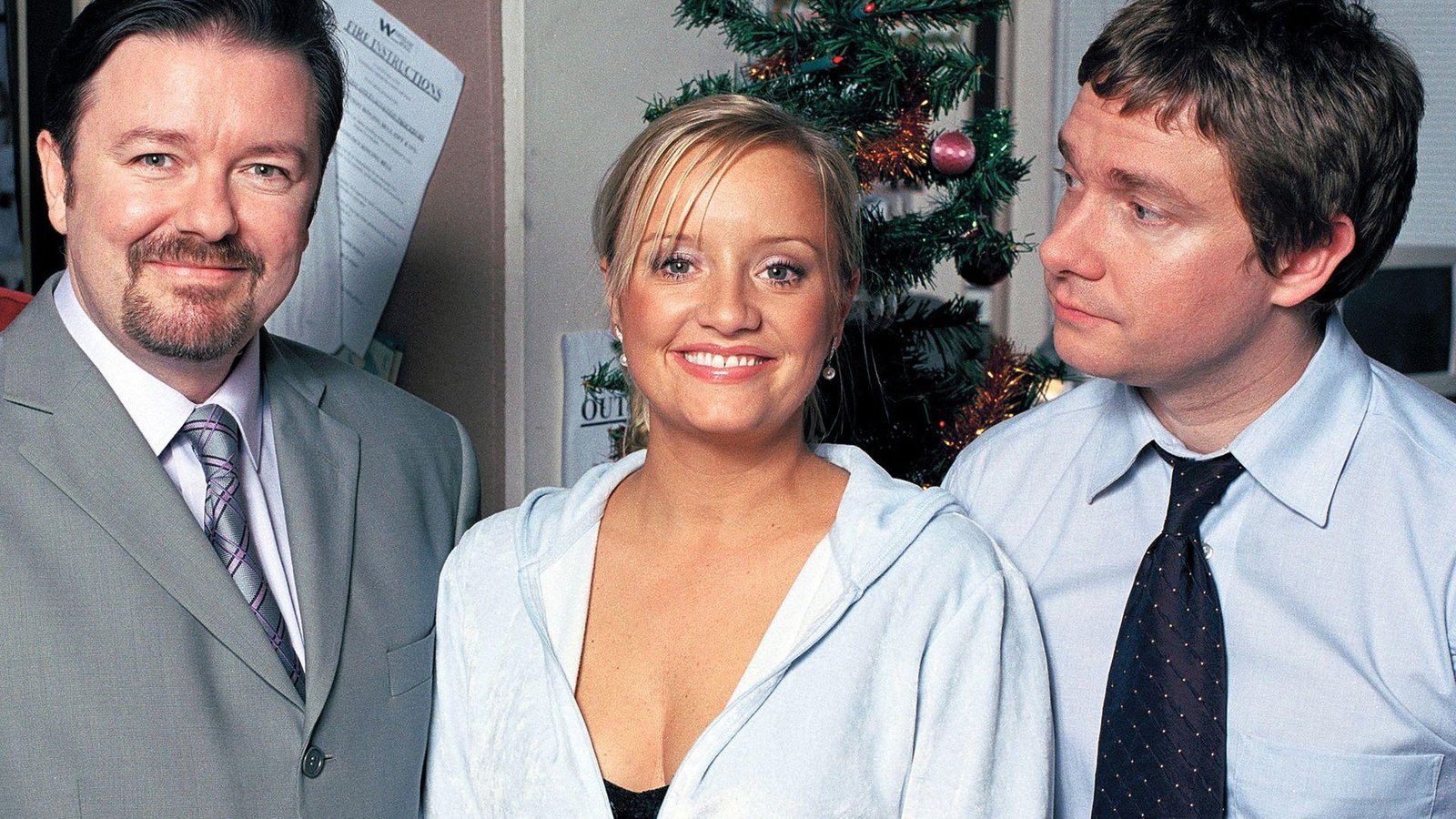
Actress Lucy Davis, best known for playing Dawn Tinsley in the original UK version of The Office, has bravely shared that she is living with incurable breast cancer. The 53-year-old took to Instagram to reveal that the disease has spread to her bones and that chemotherapy is no longer an option. She described finding the initial sign: “The initial lump that I felt, wasn’t a ‘lump’ as such; rather a kind of hard spot. Really tiny.”
Her story is a powerful reminder of why it’s so important to know what’s normal for your own body and to notice any changes early. While a breast cancer diagnosis can feel overwhelming, being proactive about checking your breasts or chest can make a real difference. So, what exactly should you be looking for, and how can you check yourself at home? Let’s walk through the simple steps and signs that everyone should know.
Why regular self-checks matter
Getting into the habit of checking your breasts or chest about once a month is one of the simplest ways to stay in tune with your body. The NHS recommends this routine because it helps you learn what looks and feels normal for you. When you know your own baseline, you’re much more likely to spot anything unusual early on.
It’s important to remember that breasts can naturally change throughout your menstrual cycle, and they also change as you age. What’s normal for one person might not be for another. That’s why the goal isn’t to compare yourself to anyone else, but simply to become familiar with your own unique landscape. By checking regularly, you’ll be able to notice even subtle shifts that might warrant a closer look.
Understanding your normal
Your breasts might feel lumpy or tender before your period, or they might feel different after pregnancy or menopause. These variations are completely normal. The key is to know what your ‘normal’ is, so that when something changes, you can recognise it. If you’re unsure, your GP can offer guidance on what to expect at different life stages.
What to look for when checking
When you’re doing a self-check, you’re looking for any new or unusual changes. It’s not about diagnosing yourself, but about being alert to anything that doesn’t seem right for you. Here are the key signs to pay attention to:
- A lump or swelling in your breast, chest, or armpit
- A change in the skin of your breast, such as dimpling (which might look like orange peel) or redness. Note that redness can be harder to see on black or brown skin, so be extra mindful of any texture changes.
- A change in the size or shape of one or both breasts, or either side of your chest. It’s common for breasts to be different sizes, but watch for changes that are not typical for you.
- Nipple discharge, especially if you’re not pregnant or breastfeeding, and particularly if it contains blood.
- A change in the shape or look of your nipple, such as it turning inward (inverted nipple) or a rash appearing on it that might look like eczema.
- Sores or ulcers on your chest.
These signs don’t automatically mean you have cancer—many can be caused by benign conditions. But it’s always best to get them checked out by a professional.
How to check your breasts: a step-by-step guide
You don’t need any special equipment to perform a self-check. Just a few minutes in front of a mirror and in the shower or lying down is all it takes. Here’s a simple method to follow:
Step 1: Look in the mirror
Stand in front of a mirror with your arms by your sides. Look at your breasts and chest carefully, noting their size, shape, and any visible changes in the skin or nipples. Then, raise your arms above your head and look again. This position can make certain changes, like dimpling or a change in contour, more noticeable.
Step 2: Feel for changes
Using the pads of your fingers, gently feel around each breast or side of your chest. Use a circular motion, working your way from the outside towards the nipple. Make sure you cover the entire area, all the way up to your collarbone and under each armpit. It can help to use a mix of light and firmer pressure to feel different depths of tissue. Just be careful not to press so hard that it hurts.
Step 3: Don’t forget the nipples
Feel around and over each nipple as well. You’re checking for any lumps, thickening, or discharge. If you notice anything unusual, make a note of it and keep an eye on it.
You can do this in the shower, when your skin is soapy, or lying down—whichever is most comfortable for you. The important thing is to do it regularly and consistently.
When should I see a doctor?
If you notice any of the signs mentioned above, or if you have any concerns at all, it’s always best to see your GP. Don’t wait for a change to become painful or more obvious. Early detection can make a significant difference in treatment options and outcomes.
Specifically, you should make an appointment if:
- You have a lump or swelling in your breast, chest, or armpit.
- You have any changes in your breasts, chest, or nipples that are not normal for you.
- You have pain in your breast or armpit that does not go away.
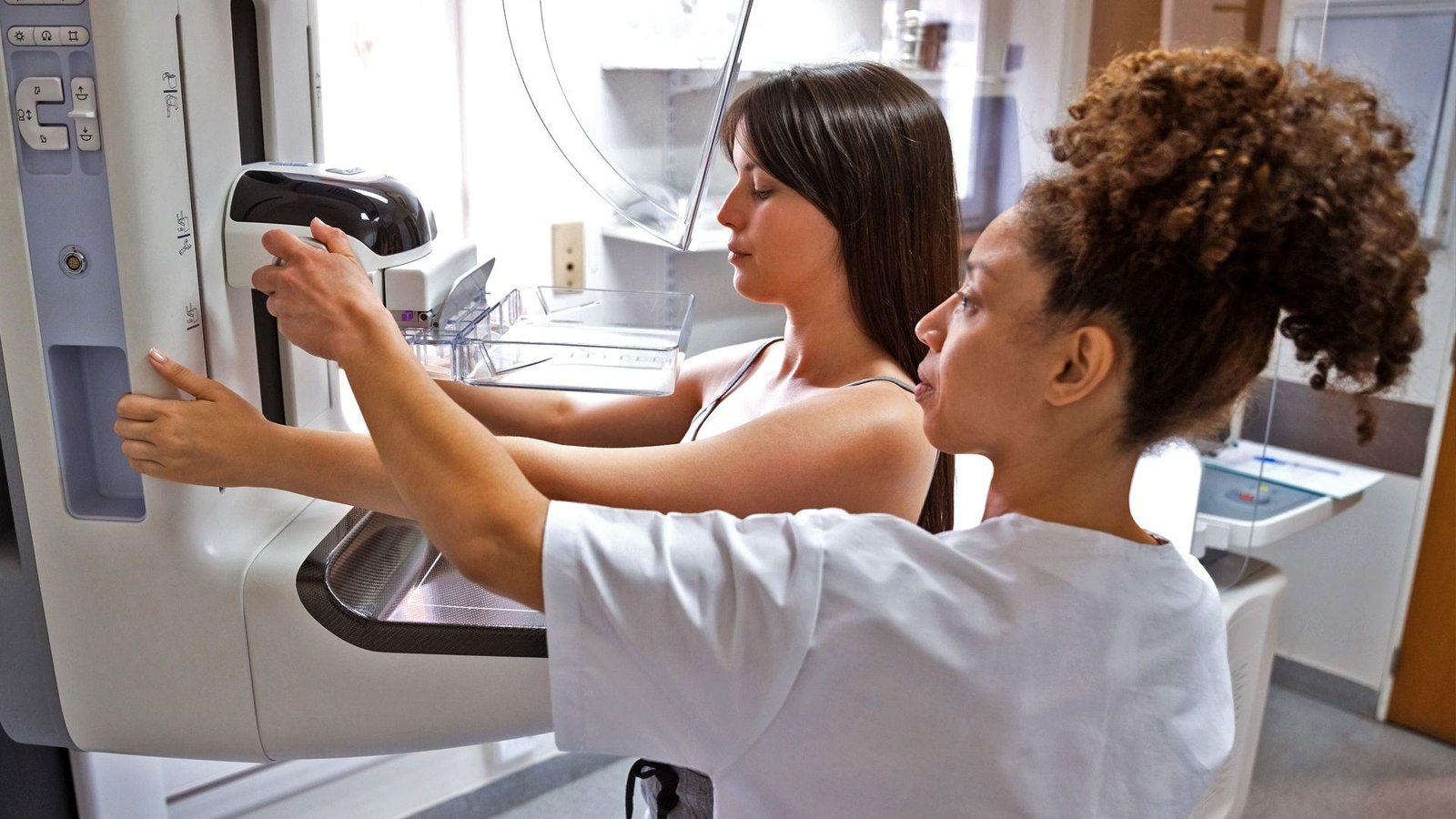
Remember, most breast lumps are benign, but it’s always better to be safe and get a professional opinion. Your GP can examine you and, if necessary, refer you for further tests like a mammogram or ultrasound. Being proactive about your breast health is one of the best things you can do for yourself.