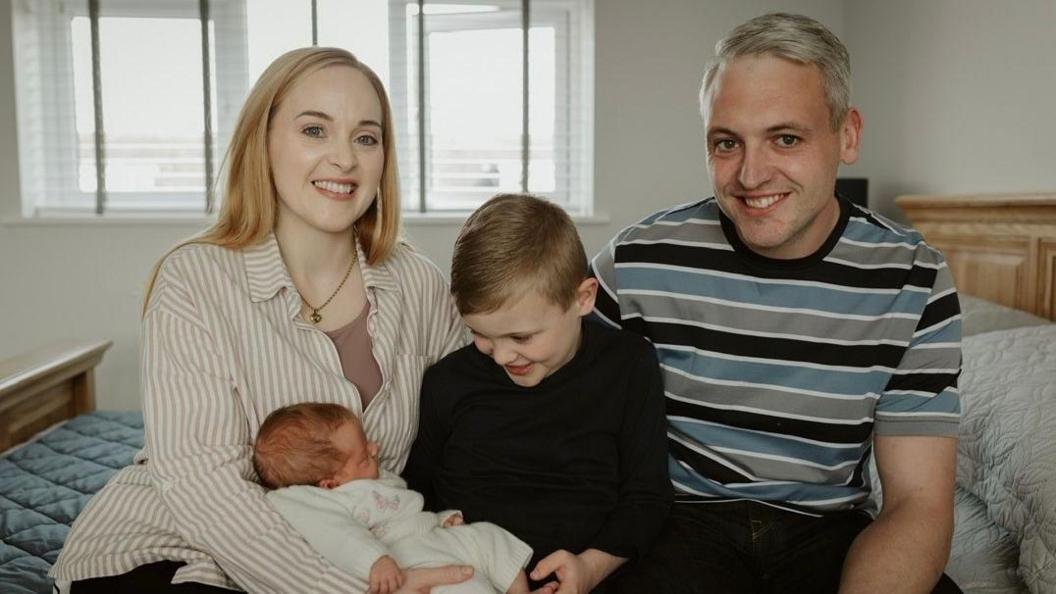
When 20-year-old Chloe from Stourbridge packed her bags for university, she never imagined that a nationwide shortage of epilepsy medication would force her to abandon her studies and return home. But that is exactly what happened. For months, Chloe struggled to get her prescribed anti-epileptic drugs, facing a relentless cycle of pharmacy visits, phone calls, and anxiety as her supply dried up. Eventually, the stress and the risk to her health became too much, and she made the heartbreaking decision to leave her course.
Chloe’s story is not an isolated one. Across the UK, thousands of people living with epilepsy are facing similar disruptions to their medication. The shortages, which have been building for months, are now having a profound impact on everyday lives—from education and employment to mental health and personal safety. This article explores Chloe’s experience, the wider context of the medicine shortage, and what it means for patients and the NHS.
A Dream Interrupted: Chloe’s Story
Chloe had always been determined to go to university. She had worked hard at school, managed her epilepsy with a careful routine of medication, and was excited to start a new chapter in a different city. But within weeks of arriving, the problems began.
Running Out of Medication
Her local pharmacy could not supply her usual brand of anti-epileptic tablets. At first, she thought it was a temporary blip. But as weeks turned into months, it became clear that the shortage was severe. She was told that the manufacturer had supply issues and that no one knew when the next batch would arrive.
Chloe tried alternative brands, but they didn’t work the same way. She experienced breakthrough seizures, which left her exhausted and frightened. “I was having seizures more often than I had in years,” she said. “I couldn’t concentrate, I was scared to go out, and I felt like my body was betraying me.”
The Impact on University Life
The constant worry about her health made it impossible to focus on her studies. She missed lectures because of medical appointments and was too anxious to participate in social activities. “I felt like I was letting everyone down—my family, my tutors, and myself,” she recalled. “But I was also terrified that I might have a seizure in public and no one would know what to do.”
Despite support from her university’s disability services, the situation became untenable. She was spending hours each week trying to track down medication, often without success. The stress was making her epilepsy worse, creating a vicious cycle.
In the end, Chloe made the difficult decision to withdraw from her course. “I felt like I had no choice,” she said. “My health had to come first, but it felt like the medicine shortage had stolen my future.”
The Wider Medicine Shortage Crisis
Chloe’s experience reflects a broader problem affecting the UK’s pharmaceutical supply chain. Over the past year, there have been widespread shortages of many essential medicines, including several used to treat epilepsy. The reasons are complex and multifaceted.
Why Are Epilepsy Drugs in Short Supply?
Several factors have contributed to the shortage of epilepsy medications. These include manufacturing problems at key production sites, increased global demand, and post-Brexit regulatory changes that have made it harder for some suppliers to operate in the UK market. Additionally, some companies have stopped producing certain drugs because they are no longer profitable, leaving patients with fewer options.
For epilepsy, the situation is particularly worrying because many patients rely on specific brands or formulations. Switching between different versions of the same drug can cause side effects or trigger seizures, as Chloe discovered. This makes the shortage not just an inconvenience, but a serious health risk.
How Widespread Is the Problem?
Data from the NHS and patient advocacy groups show that dozens of medicines are currently in short supply, with some of the most critical being those for epilepsy, diabetes, and heart conditions. Pharmacists across the country have reported spending hours trying to source alternatives, often without success. Some patients have been forced to travel long distances to find a pharmacy that has stock, while others have had to go without their medication entirely.
The situation has been described as a “national emergency” by some health experts, who warn that the problem could worsen before it improves. The government has acknowledged the issue and says it is working with manufacturers to resolve the shortages, but for patients like Chloe, the damage has already been done.
The Human Cost of Drug Shortages
Behind the statistics are real people whose lives are being turned upside down. The impact of medicine shortages goes far beyond physical health, affecting every aspect of a person’s life.
Education and Employment
As Chloe’s story shows, the inability to access medication can derail education and career plans. Students may be forced to drop out, while working adults may have to take time off or give up their jobs altogether. The financial consequences can be devastating, adding to the stress of managing a chronic condition.
Mental Health and Wellbeing
Living with the constant fear of seizures takes a heavy toll on mental health. Anxiety, depression, and social isolation are common among epilepsy patients, and the added uncertainty of not knowing whether they will be able to get their medication makes things even worse. Many patients report feeling abandoned by the system and worried about their future.
Relationships and Family Life
The strain of managing a health condition can also affect relationships with family and friends. Chloe said her parents were “frantic” with worry, and she felt guilty for burdening them. “They did everything they could to help, but there was nothing they could do,” she said. “It was so frustrating for all of us.”
What Can Be Done?
The medicine shortage is a complex issue that requires a coordinated response from government, industry, and the NHS. In the meantime, patients and healthcare professionals are having to find ways to cope.
Advice for Patients
If you are affected by a medicine shortage, it’s important to talk to your GP or specialist as soon as possible. They may be able to prescribe an alternative that is safe for you, or they can provide a letter to help you access medication from another pharmacy. It’s also a good idea to keep a record of your symptoms and any side effects, so you can report them to your healthcare team.
Patient advocacy groups, such as Epilepsy Action, offer support and advice for people struggling to get their medication. They can also help you raise concerns with your local health authority or MP.
What the Government and NHS Are Doing
The Department of Health and Social Care says it is “working closely with manufacturers and suppliers to resolve the current issues and ensure patients can access the medicines they need.” The NHS has also issued guidance to pharmacists on how to manage shortages, including advice on sourcing alternatives and communicating with patients.
However, critics argue that more needs to be done to prevent future shortages. They call for greater investment in domestic manufacturing, more robust supply chains, and better contingency planning. Some experts also suggest that the UK should consider stockpiling essential medicines, as some other countries do.
Chloe’s Future
For now, Chloe is back at home, trying to regain control of her health. She is hopeful that she will be able to return to university in the future, but she is also aware that the medicine shortage could happen again. “I’ve lost a year of my life because of this,” she said. “It’s not fair, but I have to be positive. I’m determined not to let epilepsy define me.”
Her story is a stark reminder of the fragility of our healthcare system and the real-world consequences of supply chain failures. As the UK continues to grapple with medicine shortages, it’s clear that action is needed to ensure that no one else has to give up their dreams because they can’t get the medication they need.
If you or someone you know is affected by epilepsy or medicine shortages, help is available. Contact your GP, local pharmacist, or a patient support organisation for advice and assistance.