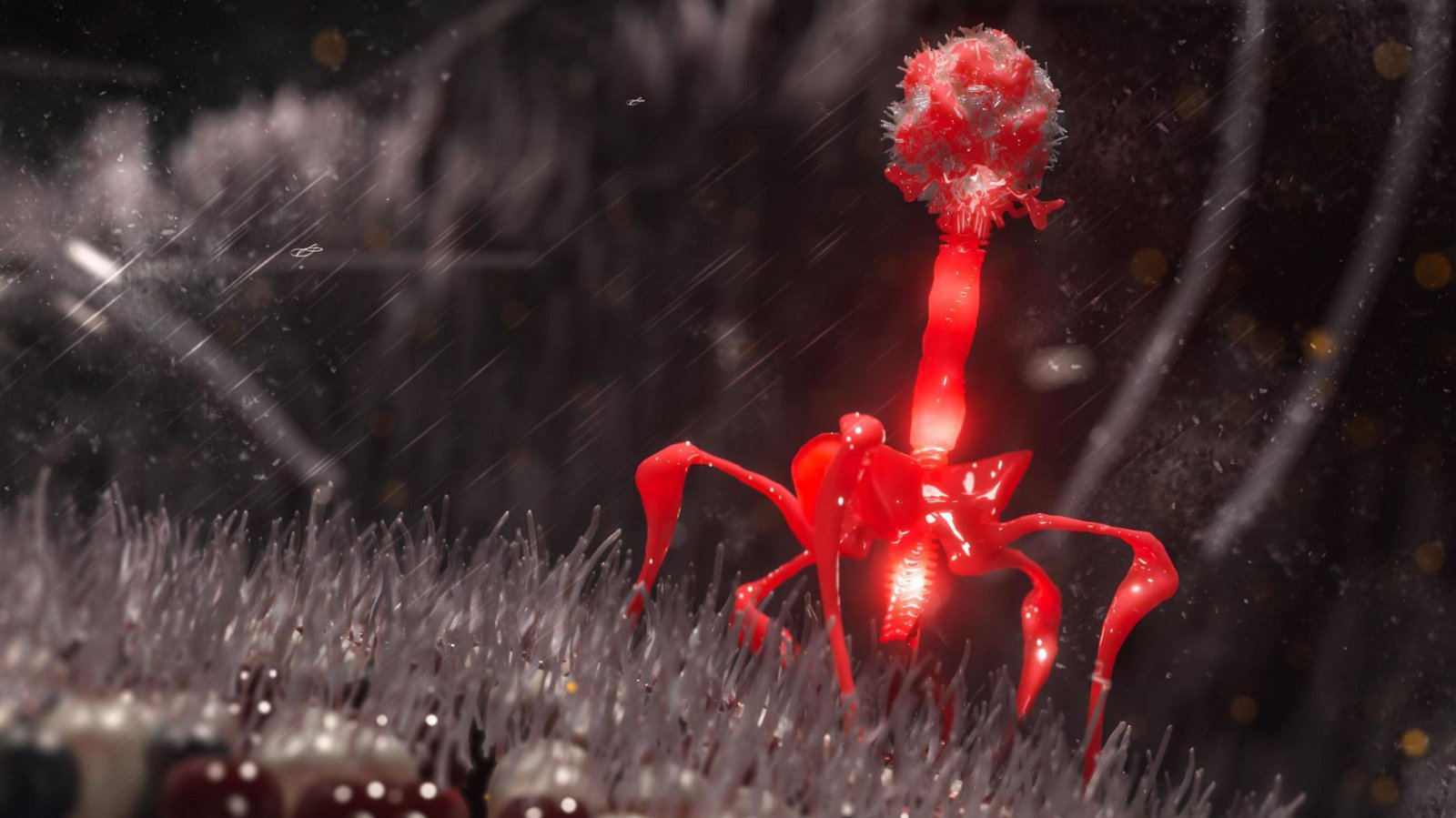



Artificial intelligence has achieved a remarkable scientific first: designing entirely new viruses that are fully functional and capable of replicating in the laboratory. Researchers in the United States have successfully used AI to create 16 novel viruses, marking the first time that whole genomes have been designed by a generative AI system.
These newly created viruses, known as bacteriophages, are specifically engineered to infect bacteria. They pose no threat to humans, but the breakthrough represents a significant leap forward in the field of synthetic biology and has been hailed as a “very significant turning point” with the potential to revolutionize medicine. However, the same technology also raises urgent safety and security concerns, as experts warn about the potential for misuse.
The Dawn of AI-Designed Genomes
For years, artificial intelligence has been making strides in biology, from predicting protein structures to designing new antibiotics. But creating a viable virus from scratch is a far more complex challenge. While designing a new antibiotic involves identifying a molecule that can inhibit a specific target, designing a virus requires the AI to understand the intricate language of life itself—the genetic code that dictates how an organism replicates, assembles, and functions.
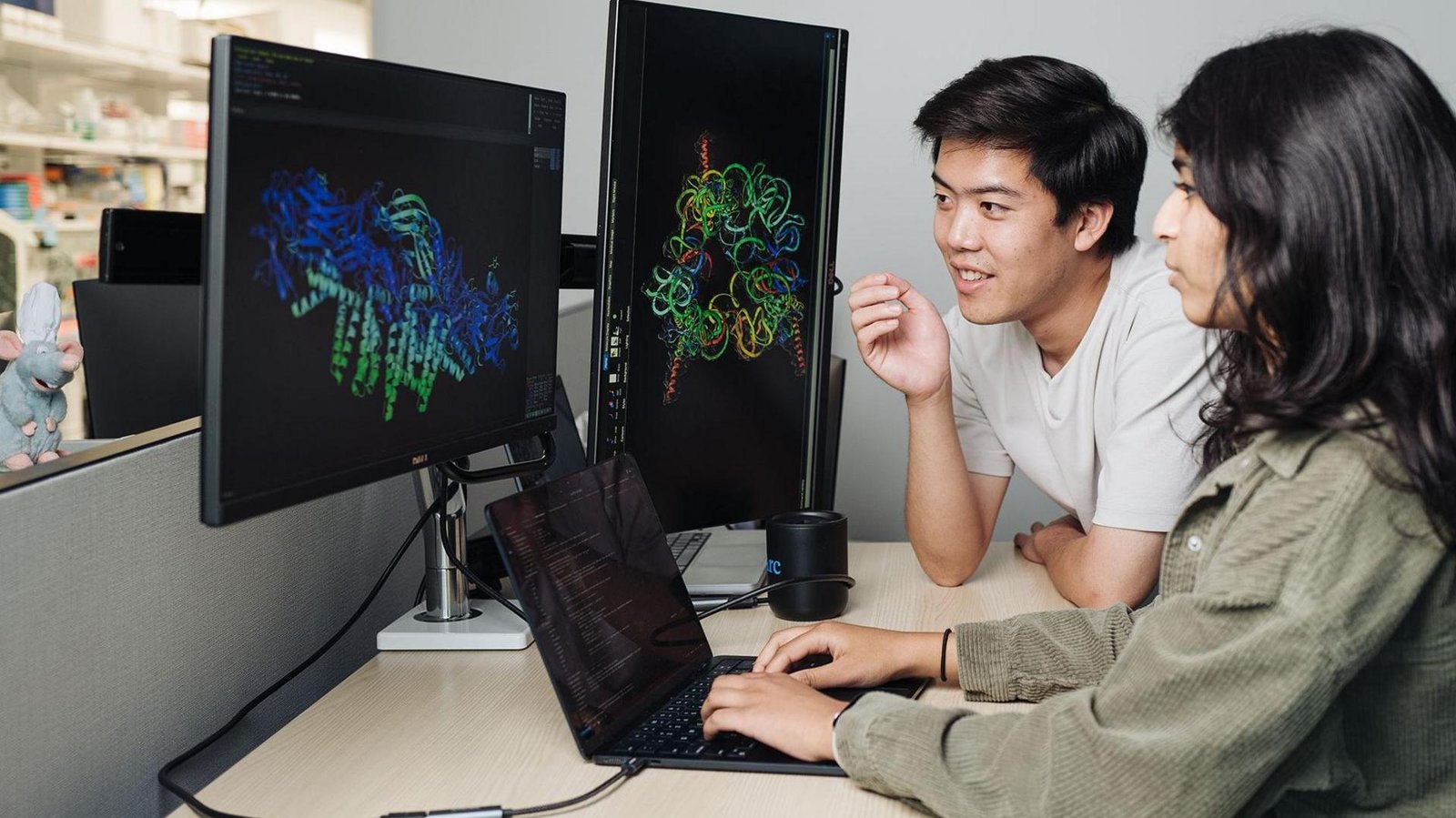
This new achievement, led by Assistant Professor Brian Hie and his team at Stanford University, moves beyond simple molecule design. As Hie explained, “This is a next step in the complexity that’s designable by generative AI. This is the first time generative AI has been used to design a complete genome, something that can replicate and have other functions inside cells. This was new territory for us.”
How the AI Works: The Language of Life
The technology behind this breakthrough operates on principles similar to large language models like ChatGPT. These models are trained on vast amounts of text to predict the next word in a sequence. In this case, the AI models, named Evo1 and Evo2, are trained on the language of genetics. Instead of predicting words, they predict sequences of DNA base pairs—the letters that make up the genetic code.
The AI models were trained on an enormous dataset of genetic codes from a wide variety of sources, including viruses, bacteria, plants, and even humans. This training allowed the models to learn the fundamental rules and patterns that govern how genetic information is structured and how it functions. After this initial training, the models were further refined to focus on a specific type of virus: bacteriophages, which are viruses that infect only particular species of bacteria.
The Moment of Discovery: From Computer to Petri Dish
The Stanford team didn’t just let the AI loose to generate a single design. Instead, they used the model to generate hundreds of potential phage genomes. From these, they selected the 302 most promising designs and synthesized them in the lab. The process of moving from digital code to physical virus is a painstaking one, but the results were nothing short of spectacular.
Of the 302 AI-designed phages, 16 proved to be fully functional and effective at killing E. coli bacteria in laboratory tests. The moment of discovery was a tense and exciting one for the research team. Samuel King, a PhD student in the lab, described the early hours of the morning when they realized their creations were working. The phages were placed on petri dishes growing a layer of bacteria, and the scientists watched for signs that their new viruses were successfully infecting and destroying their hosts.
“We were starting to see these clear spots and it was just extremely exciting,” King recalled. When the results were shared with the wider team, the reaction was electric. “The room spontaneously burst into applause,” Hie remembered.
Potential Applications: A New Weapon Against Superbugs
The most immediate and promising application of this technology lies in the fight against antibiotic-resistant bacteria. The rise of “superbugs”—bacterial infections that are no longer treatable with conventional antibiotics—is one of the greatest public health threats of our time. Phage therapy, the use of bacteriophages to kill bacteria, has long been seen as a potential solution, but developing new phages has historically been a slow and difficult process.
AI-designed phages could dramatically accelerate this process. Instead of searching for natural phages that happen to be effective against a particular bacterium, scientists could use AI to design custom phages on demand. This could lead to new treatments for infections that have become resistant to all existing antibiotics, offering a lifeline to patients with otherwise untreatable conditions.
The potential of this technology extends far beyond phages. Hie argues that the ability to design new biology has the potential to “massively improve human health” by enabling the development of new drugs, therapies, and even entirely new biological systems. The same AI models could be used to design enzymes to treat genetic disorders, antibodies for immunotherapy, or even novel proteins with functions not found in nature.
Navigating the Risks: Biosafety and Biosecurity
While the potential benefits are immense, the ability to design new viruses also raises profound safety and security concerns. The same technology that can create harmless phages to fight bacteria could, in the wrong hands, be used to create new diseases or enhance the virulence of existing ones.
In a commentary accompanying the publication of the research in the journal Science, Dr. Thomas Inglesby and Dr. Moritz Hanke from the Center for Health Security at Johns Hopkins University wrote that the findings raise “urgent biosafety and biosecurity questions.” They noted that it is no longer a question of “whether generative viral genome design will exist” but whether it can be used without “enabling serious harm.” They explicitly warned that new viruses with the potential to cause disease in humans “should not be pursued.”
Safety Measures in the Stanford Research
The Stanford researchers were acutely aware of these risks and took several steps to maximize safety. First, they excluded any viruses that could infect complex organisms from their training database. This meant the AI was never exposed to the genetic code of viruses that could harm humans or animals. Second, they focused their research on phages, which are harmless to humans, rather than on viruses that could cause disease. Finally, all of the work was conducted in a secure laboratory setting, ensuring that the newly created viruses could not escape into the environment.
Hie argues that even existing safeguards go a long way towards “ensuring that the technology is used for good.” He believes that the benefits of AI-designed biology, when properly managed, far outweigh the risks. However, the scientific community is now grappling with how to establish robust governance and oversight for this powerful new capability.
From Bits to Atoms: The Future of AI-Designed Biology
The creation of functional viruses is a stunning achievement, but it is just the beginning. Viruses are not considered living organisms, and the leap to designing a living cell is a monumental one. The genetic code of the AI-designed phages is around 5,400 base pairs long. In contrast, the smallest genome of a living cell is around 500,000 base pairs, and the human genome is a staggering three billion base pairs.
Despite the enormous complexity, Hie says that “it would probably be a lot of work, but not impossible” to attempt to design some simple organisms. The team is “definitely interested in working towards” that goal. The prospect of AI designing a living organism raises even more profound ethical and philosophical questions, but it also opens up unimaginable possibilities.
Prof Marc Güell, from the synthetic biology lab at Pompeu Fabra University in Spain, called the study a “very significant turning point” because for the “first time in history, we are beginning to design biology on a computer.” He said it “allows us to dream of exciting possibilities for tackling humanity’s greatest challenges,” from developing new treatments for disease to creating enzymes that can break down plastic pollution.
Prof Patrick Cai, chair of synthetic genomics at the Manchester Institute of Biotechnology, echoed this sentiment, calling the study an “important milestone.” He noted that “the significance extends far beyond phages – it suggests that genome language models are beginning to learn the design principles encoded by evolution, opening the door to AI-assisted genome writing.”
The ability to write genomes with AI is a paradigm shift in biology. It moves us from a world where we can only read and edit the genetic code to one where we can write entirely new ones. This power brings with it immense responsibility, but it also holds the key to solving some of the most pressing problems facing humanity, from antibiotic resistance to genetic disease. As we stand on the brink of this new era, the scientific community, policymakers, and society as a whole must work together to ensure that this powerful tool is used wisely and for the benefit of all.