
That mid-afternoon slump where all you can think about is crawling into bed? Or the frustrating 3am wake-up with a racing mind and zero chance of drifting off again? If you’ve traveled across time zones, you know the feeling all too well. Jet lag—the ultimate unwanted travel companion—strikes when your internal rhythm is out of sync with the world around you. But here’s the good news: while there’s no magic cure, there are plenty of practical strategies to soften the blow and get you back on track faster.
Understanding Your Body Clock vs. the Local Clock
Jet lag happens when the local time changes in an instant, but your body’s internal clock is still ticking to the rhythm of home. Dr. Nina Rzechorzek, a researcher at the University of Cambridge focusing on brain temperature, sleep, and circadian rhythms, explains that after rapid travel across several time zones, your biological time initially stays aligned with your departure point. Meanwhile, you’re trying to sleep, eat, and function on destination time.
That mismatch can wreak havoc: disturbed sleep, daytime drowsiness, poor focus, irritability, reduced performance, and even digestive issues. It all comes down to your circadian rhythms—the body’s internal 24-hour clock that governs nearly every cell.
Dr. Anna Edmondson, from the Laboratory of Molecular Biology at Cambridge, describes how almost all cells maintain their own 24-hour clock, synchronized by a master clock in the brain. This master clock responds to environmental cues, with sunlight and darkness being the most powerful. When you fly far east or west, the sudden shift in light-dark cycles throws the master clock off balance, and it takes several days to recalibrate. In essence, your body remains stuck in the timezone you left behind.
Why Direction Matters: East vs. West
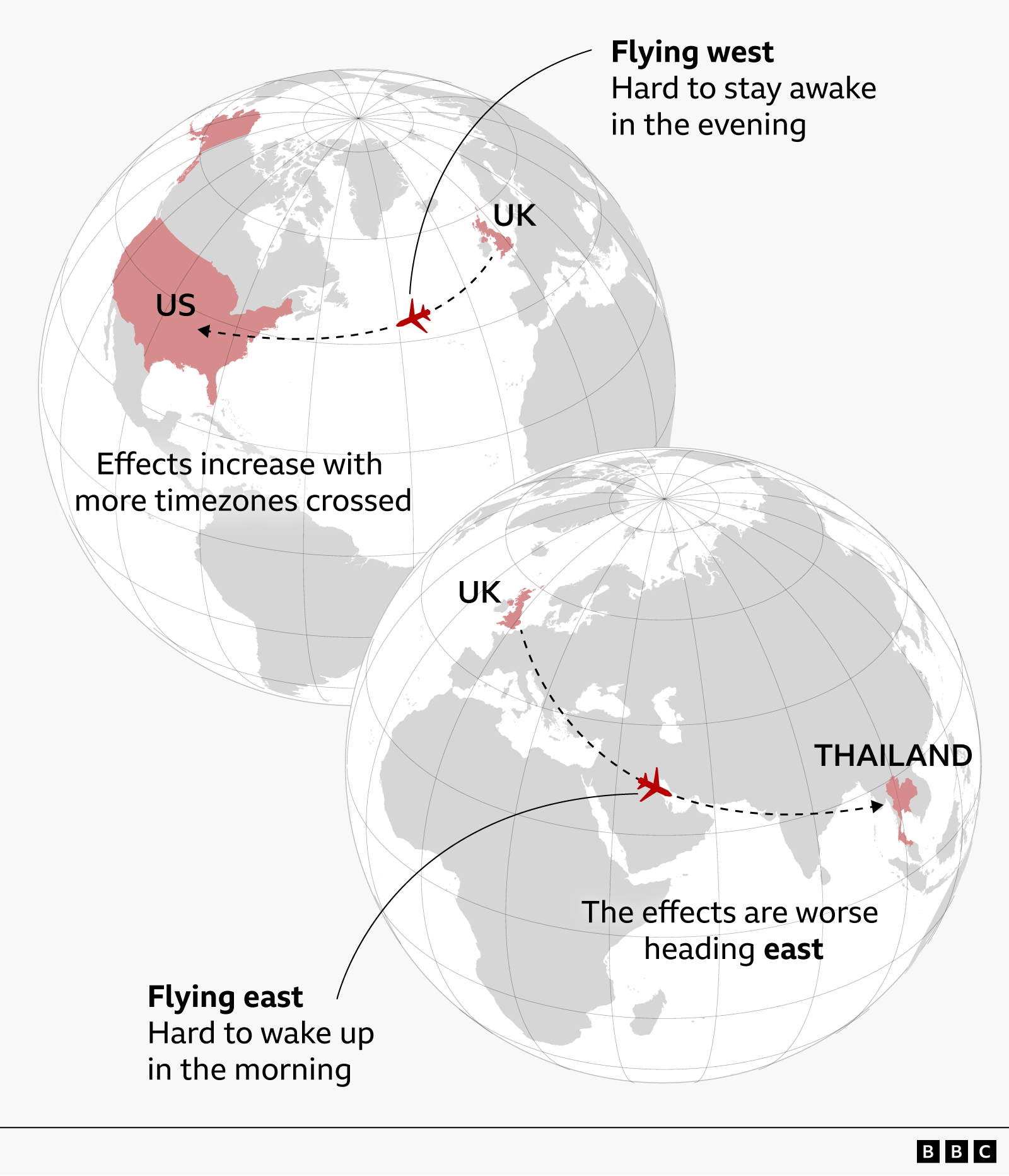
The direction you travel also plays a significant role in how severely jet lag hits. Dr. Rzechorzek notes that flying east is generally tougher because most people find it easier to delay their clock rather than advance it. This quirk stems from the average human internal cycle being slightly longer than 24 hours, giving us a natural bias toward staying up later rather than waking up earlier. So, if you’re heading to Asia or Europe from the Americas, prepare for a more challenging adjustment.
Practical Strategies to Reset Your Body Clock
While there’s no instant cure, you can take proactive steps to help your body adapt more quickly. Dr. Tatiana Wilson, a circadian researcher at Newnham College, Cambridge, emphasizes that light, food, and exercise are powerful tools you can control. Here are her top recommendations:
Harness the Power of Light
Light is your best ally. Morning light shifts your clock earlier, while evening light keeps you awake longer. Use this to your advantage: expose yourself to natural light at the right times based on your destination. If you need to wake up earlier, get outside soon after sunrise. If you’re trying to stay awake later, seek bright light in the evening. Remember, indoor lighting is far dimmer than natural light, even on overcast days, so make a point to step outside when the timing matters most.
Move Your Body During the Day
Exercise, even a simple walk, reinforces your new timezone. Physical activity during daylight hours sends strong signals to your master clock that it’s time to be awake and alert. So, instead of napping in your hotel room, lace up your shoes and explore the area. A brisk walk not only helps reset your rhythm but also combats the stiffness from long flights.
Time Your Meals Wisely
What you eat and when you eat can influence your internal clock. Aim to eat meals during the day and avoid food in the hours before bed. Late-night eating can delay the release of melatonin, the hormone that makes you feel sleepy. By keeping your eating schedule aligned with local time, you help your body understand when it’s supposed to be awake and when it’s time to wind down.
Sleep Hygiene: Your Bedtime Routine Matters
Good sleep hygiene is non-negotiable when fighting jet lag. Try to go to bed at your desired local time, even if you don’t feel tired yet. Keep light levels low in the evening, ensure your room is dark and cool, and stick to your usual pre-sleep routine. Whether it’s reading, gentle stretching, or a warm shower, consistency signals to your body that it’s time to rest.
Be Cautious with Melatonin Supplements
Melatonin is often touted as a sleep aid, but it’s not without caveats. In the UK, it’s a prescription-only medication, and Dr. Edmondson advises using it only if a healthcare professional prescribes it. Even if you can buy it over-the-counter abroad, Dr. Wilson warns that supplement doses can vary significantly from what’s listed on the label. You might not know exactly what you’re getting, so proceed with caution and consult a professional if you’re considering it.
Additional Tips for a Smoother Transition
Beyond the basics, a few extra strategies can make a big difference. Before your trip, try gradually shifting your sleep schedule toward your destination’s timezone. If you’re flying east, go to bed and wake up 30 minutes earlier each day for a few days prior. For westbound travel, do the opposite. This pre-adjustment can ease the shock.
During the flight, stay hydrated and avoid excessive alcohol and caffeine, which can disrupt your sleep quality. Set your watch to the destination time as soon as you board, and try to sleep or stay awake based on that schedule. Once you arrive, resist the urge to take long naps during the day, as they can delay your adjustment. Instead, take a short power nap (20-30 minutes) if absolutely necessary, but try to stay awake until a reasonable local bedtime.
When to Seek Professional Help
For frequent travelers or those with chronic jet lag, it might be worth discussing options with a sleep specialist. They can provide personalized advice and, if appropriate, prescribe melatonin or other interventions. But for most holidaymakers, a combination of light exposure, meal timing, and good sleep practices will do the trick.
Final Thoughts: Embrace the Adjustment
Jet lag is a temporary inconvenience, not a permanent state. With a little planning and these expert-backed strategies, you can minimize its impact and make the most of your travels. Remember, your body is remarkably adaptable—it just needs the right cues. So, get outside, move your body, eat at the right times, and prioritize your sleep. Before you know it, you’ll be fully immersed in your new destination, feeling refreshed and ready for adventure.