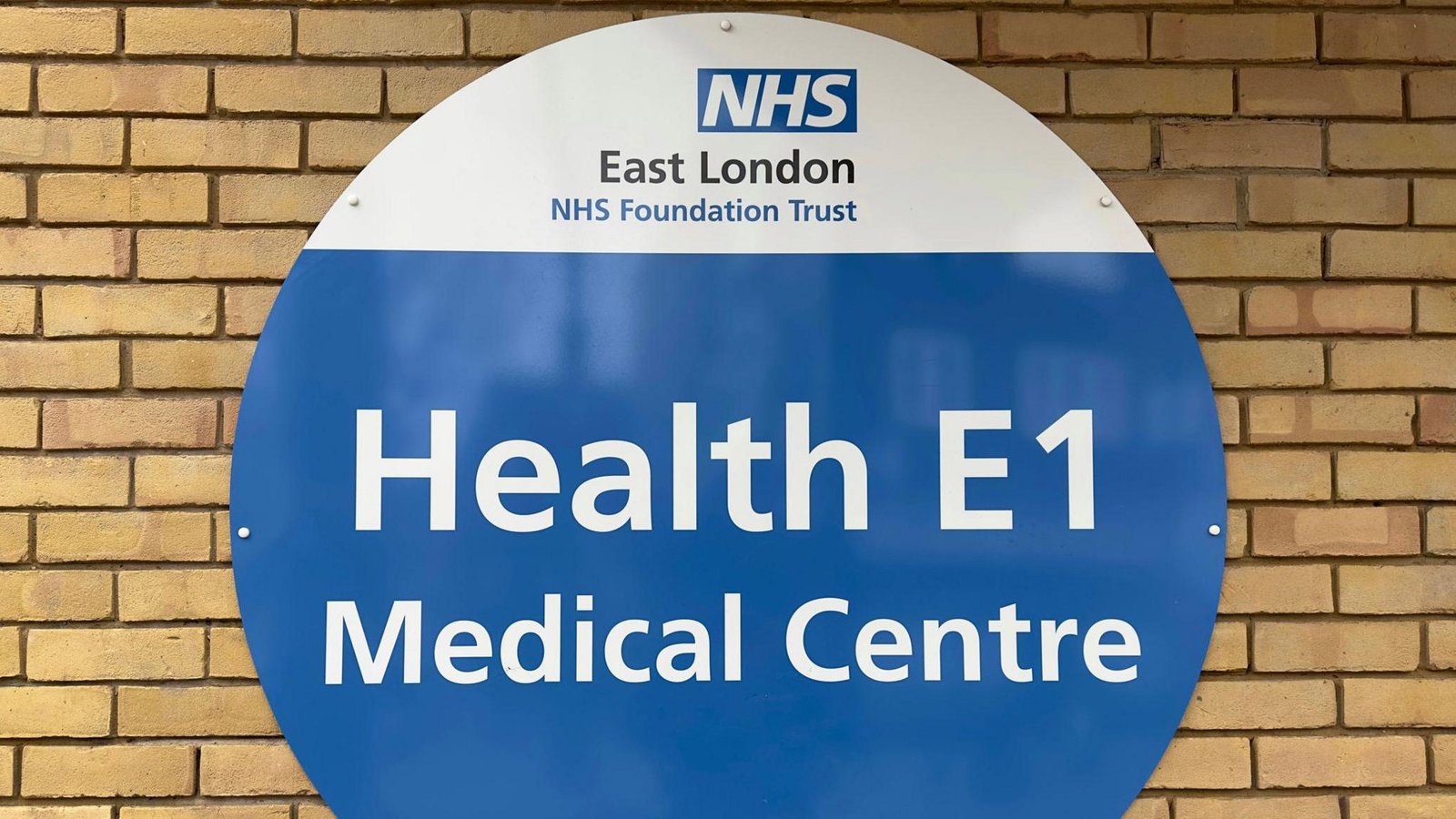

A mental health trust that holds the highest rating from the health watchdog has announced it must find £24.1 million in savings this financial year — roughly 2% of its total budget. The East London NHS Foundation Trust (ELFT), which serves around 1.8 million people across east London and Bedfordshire, says the cuts are necessary to meet national efficiency targets.
The trust, which provides both mental health and community services, employs about 6,000 staff. Under the proposed reductions, up to 330 posts could be affected. Union leaders have warned that patients will inevitably feel the consequences of such significant workforce cuts.
In response, a trust spokesperson emphasised that ELFT has “a responsibility to live within its means” and is working to achieve the required efficiencies while “protecting the quality and safety of care.”
What the savings plan involves
ELFT has outlined plans to redesign nine front-line services for the 2026-27 financial year. These include child and adolescent mental health services (CAMHS), addiction services, adult mental health crisis and community services, and talking therapies.
Impact on staffing
Around 40 posts are expected to be cut through reduced spending on temporary staff. A smaller number of roles will likely be lost from non-clinical and corporate services. The trust has not confirmed exactly how many permanent positions will be affected, but the total could reach 330.
Last year, ELFT reported £37 million in what it described as efficiency savings. This year’s target of £24.1 million is in addition to those previous reductions.
Union warns of strike action
The trade union Unite has announced it plans to ballot members on strike action over how the changes are being implemented. Gary Boodhna, regional union officer, said the scale of the cuts would have a direct impact on service quality.
“You cannot take 5% of the workforce out of an NHS trust and pretend it will not affect services,” Boodhna said. “Staff are already stretched to breaking point. Our members know how hard it is to keep services running with the resources they have now. Cutting hundreds more jobs will only pile more pressure on to those who remain and patients will inevitably feel the consequences.”
The trust has said it is working closely with trade unions, colleagues, and partners to find the most effective and sustainable way to deliver the required savings.
Political reaction and concerns
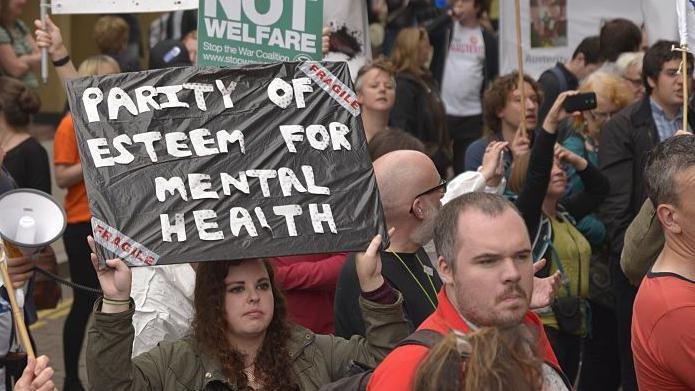
Apsana Begum, the Labour MP for Poplar & Limehouse in east London, has written to the trust expressing her fears about the proposed cuts. She said the focus should instead be on restoring NHS funding and achieving parity between physical and mental health care.
“At this moment, the focus could have been on how NHS funding is restored and how there can be parity between the quality and level of care for physical health and mental health,” Begum said. “I am concerned that these cuts are particularly targeted towards mental health care services that are of equal importance to patients.”
Trust’s reputation and leadership role
ELFT has a strong national reputation, being one of only a small number of NHS organisations to hold the highest rating from the Care Quality Commission. Managers from the trust have previously been placed in charge of other struggling organisations, including Norfolk & Suffolk NHS Foundation Trust.
The trust operates from 120 community and inpatient sites, including a homeless medical centre in east London. Its services are used by a diverse population, many of whom rely on mental health support for conditions such as depression, anxiety, and severe mental illness.
Government response and funding context
A Department of Health and Social Care (DHSC) spokesperson said the government is dedicated to transforming the quality and sustainability of NHS services, including those for mental health. The DHSC confirmed that investment in mental health services in England will rise to a record £16.1 billion in 2026-27, up from £15.7 billion in 2025-26.
The department also said it will publish a mental health plan later this year, setting out how services will respond earlier and reduce waiting times. NHS England has been contacted for comment.
Campaigners across the country have been calling for fairer funding for NHS mental health services for more than a decade, arguing that mental health has historically been underfunded compared with physical health.
What happens next
The trust is expected to finalise its savings plan in the coming months, with consultations taking place with staff and service users. Unite’s ballot on strike action could lead to industrial action if members vote in favour.
ELFT has said its approach is clinically led and focused on meeting the needs of service users. “We are working closely with our trade unions, colleagues and partners to identify the most effective and sustainable way to deliver the efficiencies required of us, while protecting the quality and safety of care,” a spokesperson said.
For now, patients and staff are waiting to see how the trust will balance its books without compromising the care that has earned it national recognition.