Resident doctors across Northern Ireland have walked out in a 24-hour strike, escalating a bitter dispute over pay that has already seen consultants and specialist doctors take industrial action. The walkout, which began at 07:00 BST on Monday and runs until 06:59 on Tuesday, marks a significant escalation in the ongoing battle between the medical profession and the government over what doctors describe as years of pay erosion.
The action follows last week’s historic strike by consultants and specialist, associate specialist and specialty (SAS) doctors – the first time these groups had ever taken industrial action in Northern Ireland. Now, resident doctors – the backbone of hospital care – have joined the picket lines, demanding a credible commitment to restoring their pay to 2008 levels.
Why are resident doctors striking?
At the heart of the dispute is a recommended 3.5% pay uplift from the independent Doctors’ and Dentists’ Review Body (DDRB). Doctors’ leaders have roundly rejected this offer, arguing that it does nothing to reverse the cumulative real-terms pay cuts they have suffered over the past 18 years. According to the British Medical Association (BMA), doctors’ pay has plummeted by more than 20% since 2008 when adjusted for inflation.
Dr Steven Montgomery, chairman of the BMA’s Northern Ireland resident doctors committee, was unequivocal on the picket line at the Royal Victoria Hospital (RVH) in Belfast. “Everyone is furious at the situation,” he said. “Our pay since 2008 has decreased by over 20%, and that’s why everybody is out today. This DDRB award of 3.5% does not go far enough to restore us back to those previous 2008 levels.”
The anger is palpable, and it’s not just about the money. Doctors say that years of below-inflation pay rises have left them feeling devalued and demoralised, driving many to consider leaving the profession or emigrating to countries where their skills are better rewarded.
The ballot result: a resounding ‘yes’ to strike action
The BMA balloted its members over a four-week period after doctors’ leaders rejected the pay recommendation. The result was a landslide. Earlier this month, it was announced that a staggering 92% of resident doctors voted in favour of strike action, with 79% of consultants also backing walkouts. SAS doctors followed suit, with 90% voting for industrial action.
These figures send a clear message: the medical profession is united in its frustration. Both branches of practice cited “over 18 years of pay erosion” as the driving force behind their decision to take the unprecedented step of striking.
Picket lines and patient impact
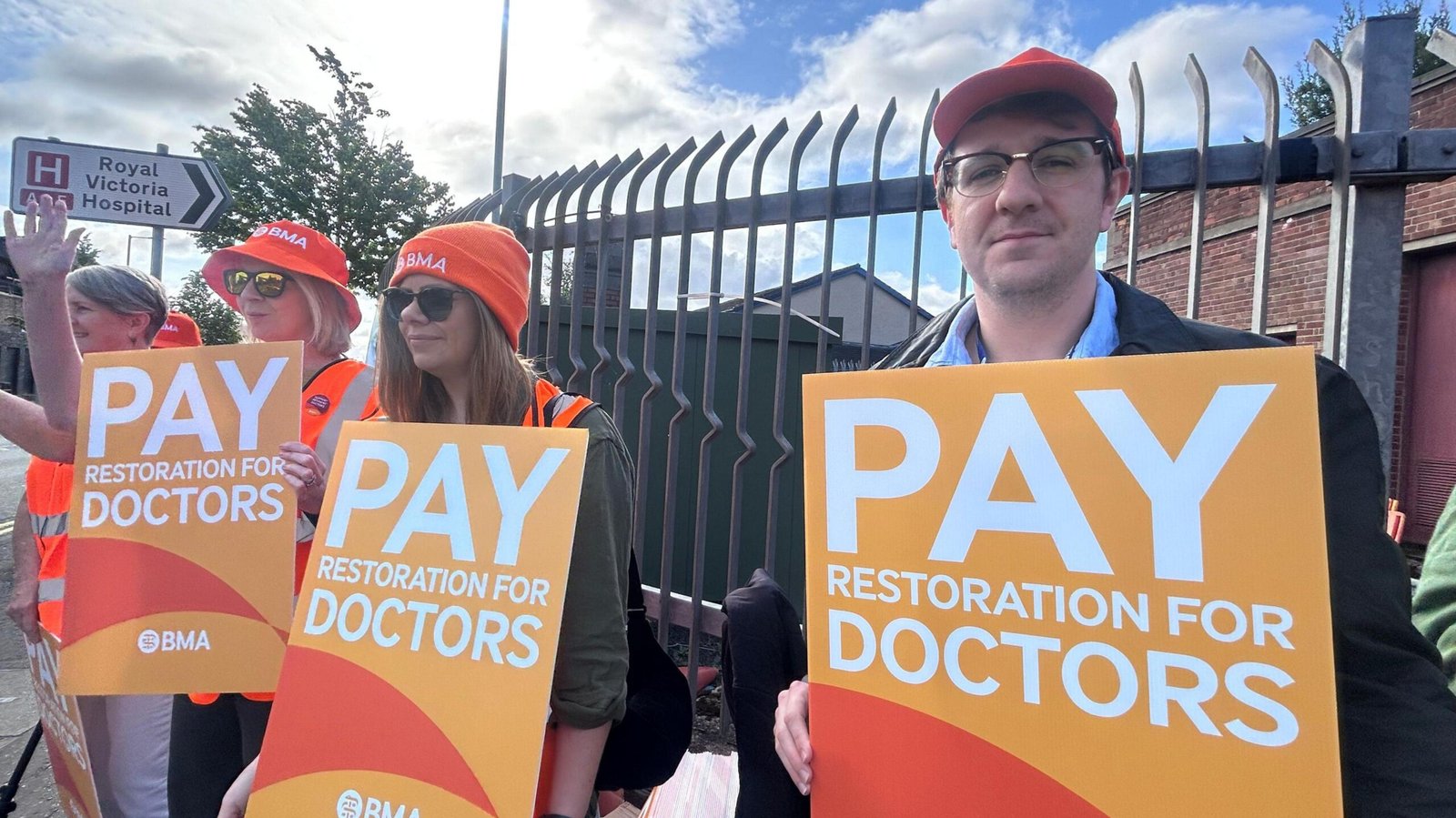
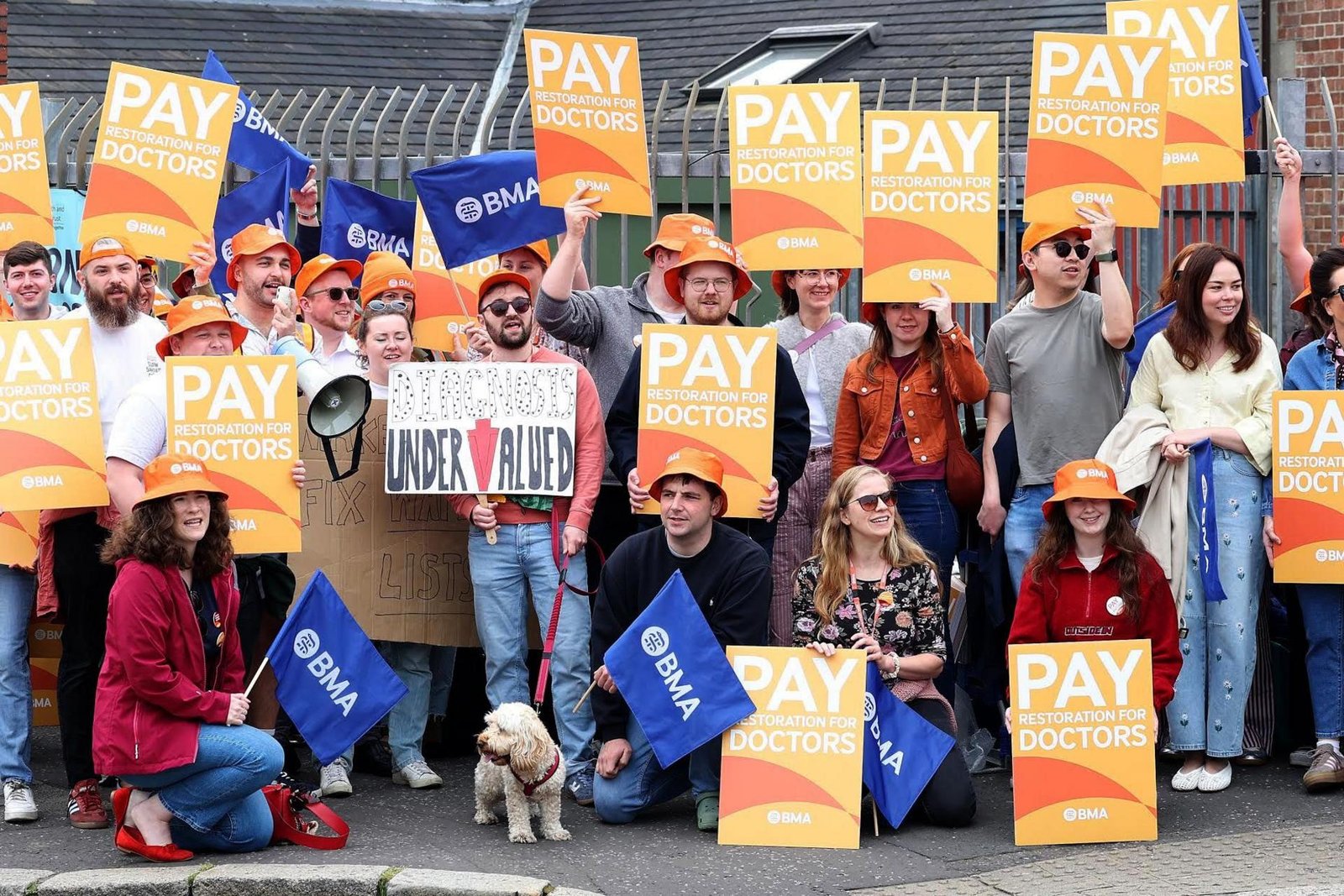
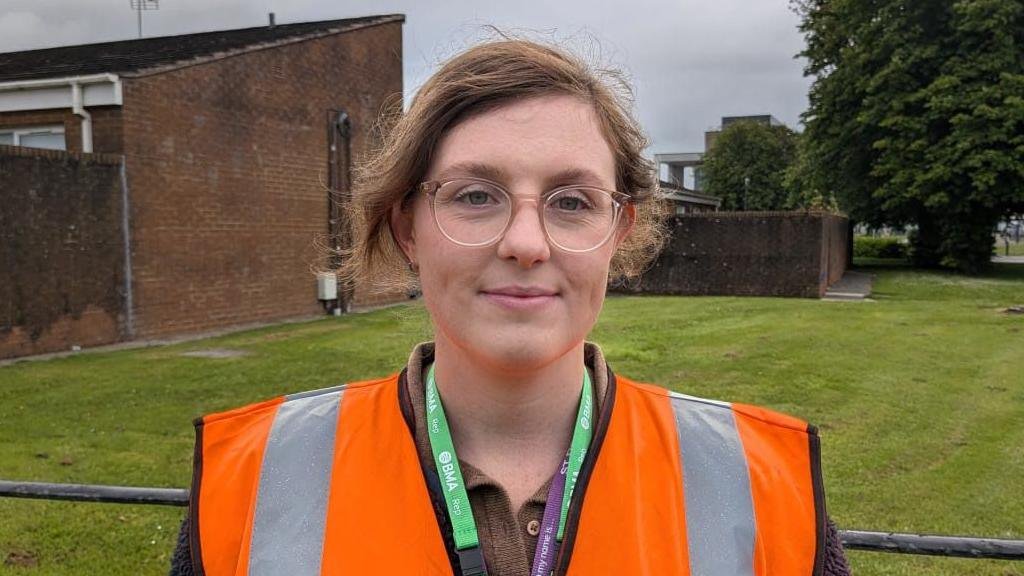
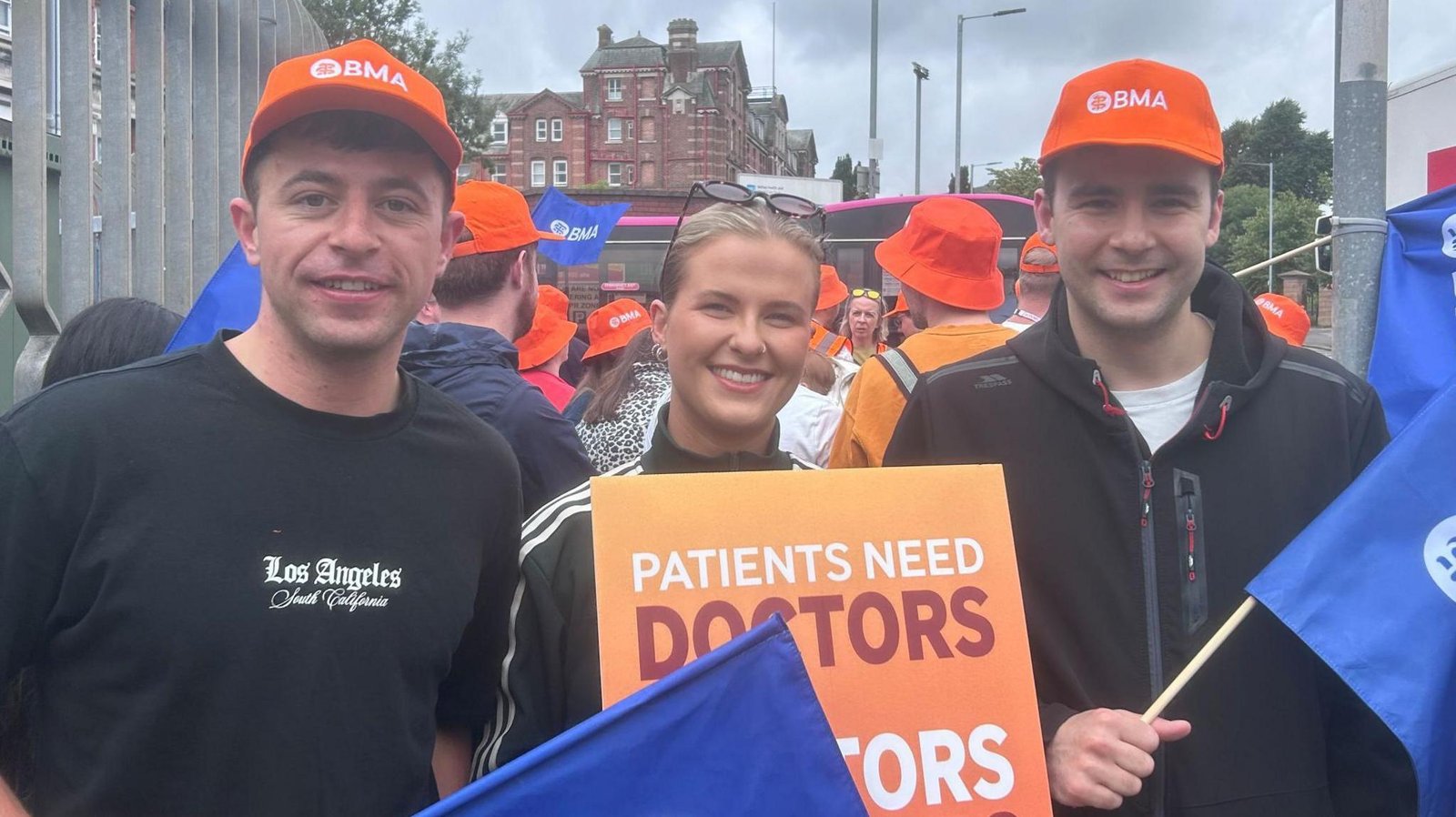
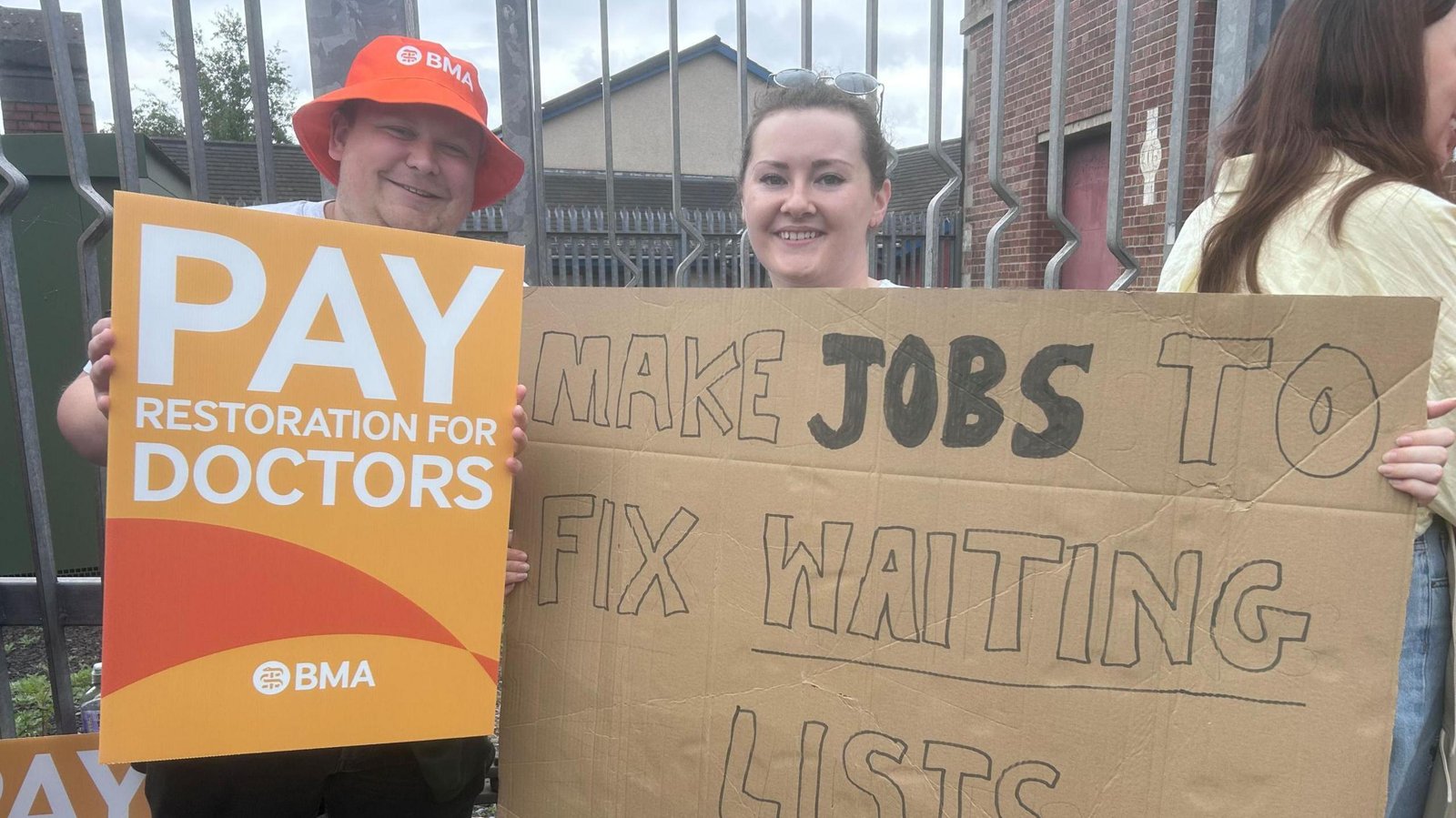
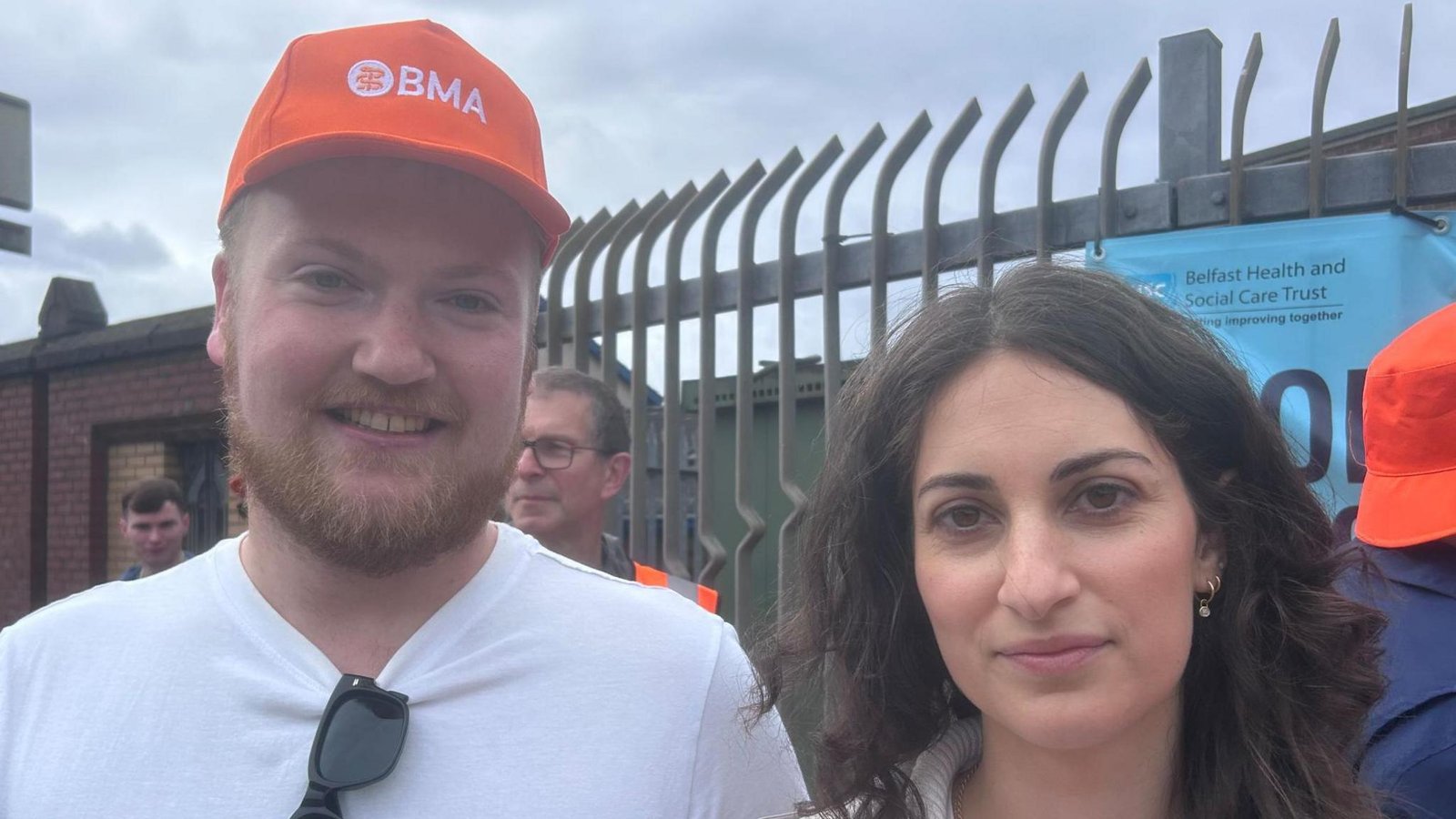
Picket lines sprang up at hospitals across Northern Ireland on Monday morning, including the Royal Victoria Hospital in Belfast, Craigavon Area Hospital, and Altnagelvin Hospital in Londonderry. Doctors, many wearing orange hi-vis vests and holding placards reading “Pay restoration for doctors,” gathered to voice their concerns.
Dr David Farren, chairman of the BMA’s Northern Ireland consultants committee, confirmed that this strike would be a “full walk out” – a more severe form of action than the Christmas Day cover provided during last week’s consultants’ strike. He stressed that emergency and urgent care would still be prioritised, but warned that routine services would inevitably be affected.
“There will undoubtedly be cancellation of operations, of outpatient appointments and elective care,” Dr Farren said. “But patient safety will still be prioritised.”
Voices from the picket line
The human stories behind the strike are powerful. Dr Helen Kerr, a resident doctor in emergency medicine at Altnagelvin Hospital, said doctors had been “forced into this after years of sub-inflationary pay uplifts.” She acknowledged the disruption the strike would cause patients but insisted the decision was not taken lightly.
“Our health service is already operating with unsafe levels of staffing for the number of patients that need that care,” she told BBC Radio Foyle’s North West Today programme. “Staff leaving over poor pay and workplace conditions is a main driver of the waiting list crisis.”
Dr Kerr added that doctors had been open to talks with the Health Minister, but there had been “no credible negotiations offered.”
‘My only option is to go’
Orla Murray, a doctor who will be leaving for Australia in August, embodies the brain drain that Northern Ireland is facing. “The amount of hours we are doing, the amount of overtime. We don’t get that pay back,” she said. “I’m moving to Australia to start working over there as a doctor. I’ve always wanted to go, but given the current state of how doctors are being treated at the minute, it’s kind of my only option to go. I had no choice in the end.”
Hannah Patterson, another doctor on the picket line, insisted the dispute was about more than just salary. “This is not just about pay. It’s about conditions,” she said. “This is the only way to show people that we want things to be better. We want things to be better for us, for our colleagues and our patients.”
Kiana Newman-Zand and Adam McConnell echoed these sentiments, describing morale as “very low.” McConnell, who has been a doctor for several years, said: “It’s the hardest it’s been. We are haemorrhaging doctors.” Newman-Zand added: “Doctors are leaving to go elsewhere, Australia, New Zealand. Better pay and better conditions. It’s only going to get worse.”
‘A perfect storm for our health service’
Dr Steven Montgomery warned that the combination of falling pay, rising patient numbers, and a shrinking workforce was creating a “perfect storm” for the health service. He pointed to a recent survey of penultimate and final year medical students, which found that over 54% do not plan to work in Northern Ireland after graduation.
“Better pay and better working conditions on offer in other countries means we are losing doctors when we really need to do all we can to keep doctors working here,” he said. “If things do not change, the NHS in Northern Ireland ceases to exist.”
Dr Farren echoed this existential warning. “I have seen hospital consultants that I work with just simply either burning out or deciding for their own health and well being to move to another county and practice medicine,” he said. “The rest of us left behind have to shoulder that responsibility – it cannot go on. This is an existential threat to our health service.”
Government response: ‘no scope’ for more
Health Minister Mike Nesbitt has reiterated his commitment to implementing this year’s pay award but maintains he is currently unable to do so in the absence of an agreed budget. He has warned that going beyond the 3.5% recommendation would have “significant repercussions for nurses, teachers, police officers and indeed the entire public sector workforce.”
“I reiterate my commitment to ensuring HSC colleagues receive their recommended 26-27 pay uplifts, despite the unprecedented shortfall as indicated in my draft budget,” he said. “There is simply no scope for pay awards beyond the recommendations of the review bodies in 26-27.”
However, doctors argue that the minister’s hands are not as tied as he suggests. They point out that Northern Ireland doctors are the lowest paid in the UK and Ireland, and that pay parity with their counterparts elsewhere should be a priority. “We have been trying to work with the minister and the department of health to rectify that, to get what he terms ‘pay parity’,” said Dr Farren. “Unfortunately, despite all of that, we continue to not have pay parity and, as a result, we have been forced after years of negotiations to take unprecedented strike action.”
What happens next?
The 24-hour strike will end on Tuesday morning, but the dispute shows no sign of resolution. The BMA has made it clear that further action is possible if the government does not come to the table with a credible offer. Dr Montgomery said the onus is “firmly on government to engage urgently and meaningfully and present a credible way forward to avert strike action.”
For patients, the immediate impact will be cancelled operations and appointments. But the longer-term consequences could be far more severe. With over half of medical students planning to leave, and experienced doctors burning out or emigrating, the future of Northern Ireland’s health service hangs in the balance.
As the picket lines come down, the question remains: will the government listen before it’s too late?