
The United Kingdom has officially entered a new chapter in the fight against Ebola, as regulators have given the green light for human trials of a groundbreaking vaccine developed in record time. Scientists at the University of Oxford have created this vaccine in just eight weeks, a remarkable feat that could prove pivotal in curbing the ongoing outbreak in the Democratic Republic of the Congo.
This vaccine is the first of four candidates in development to reach the clinical trial stage, marking a significant milestone in the global response to the epidemic. The UK’s Medicines and Healthcare Products Regulatory Agency (MHRA) has approved the start of phase one trials, and volunteers are now being recruited for the study.
A Rapid Response to a Public Health Emergency
The development of this vaccine began on 17 May, when a public health emergency was declared in response to the escalating Ebola situation. In the weeks since, the Oxford team has worked around the clock to move from concept to clinical readiness. This speed is unprecedented in vaccine development, where timelines typically span years or even decades.
The Outbreak at a Glance
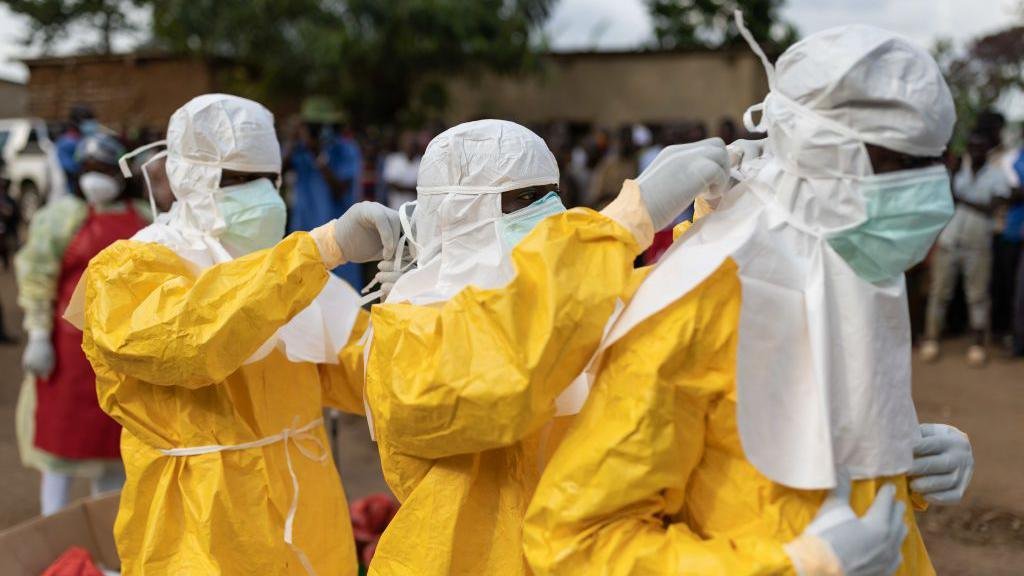
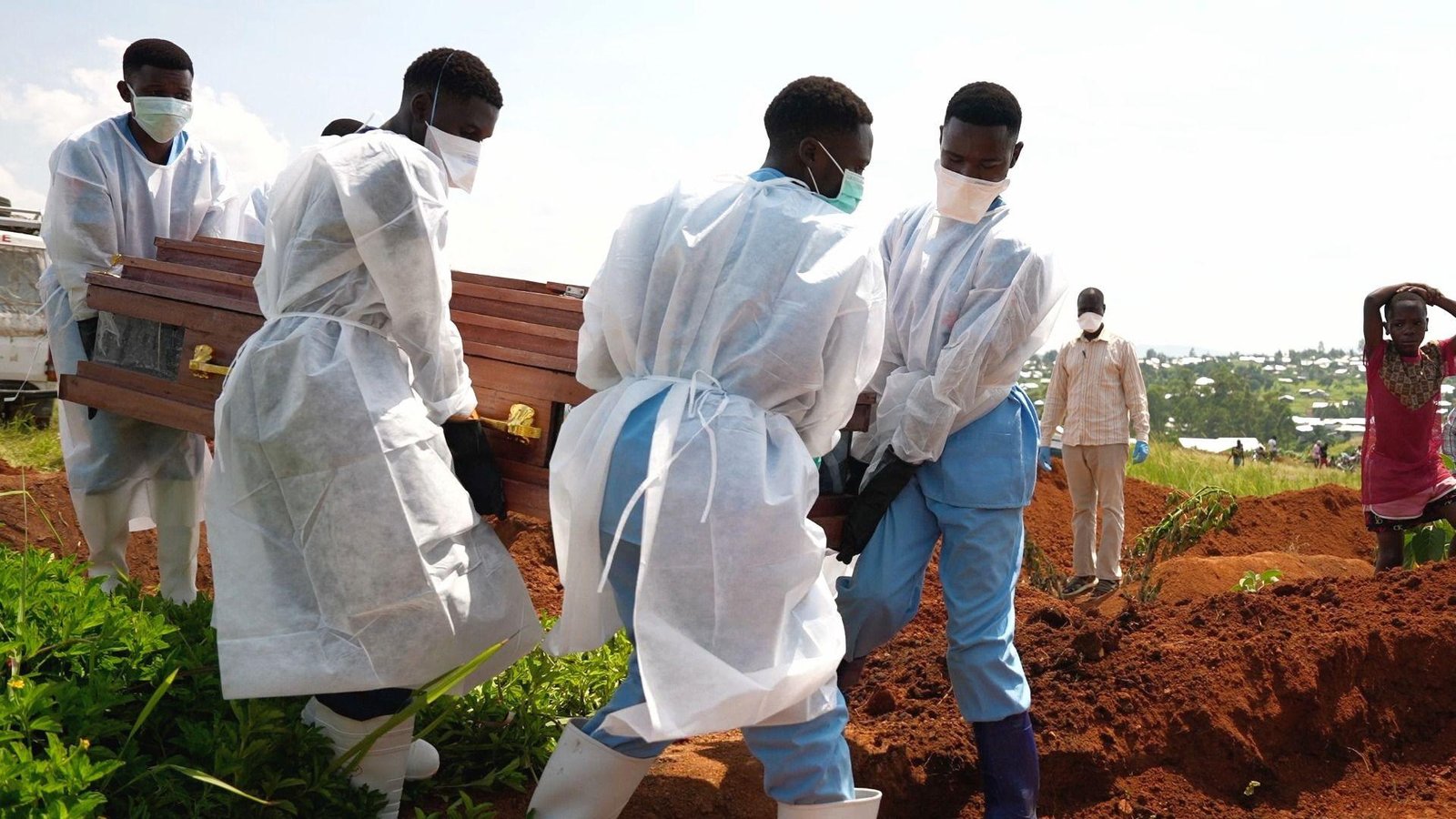
The current epidemic, centered in the Democratic Republic of the Congo, has already claimed 625 lives, with 1,792 laboratory-confirmed cases. The outbreak is caused by the Bundibugyo species of Ebola, a strain that has been responsible for two previous outbreaks. This particular species is one of six known types of Ebola, which scientists describe as “sisters rather than twins” due to their similarities and critical differences.
Because each species requires its own specific treatment and vaccine, there are currently no approved drugs or vaccines for this strain. The outbreak is further complicated by its location in a conflict zone with highly mobile populations, making containment efforts exceptionally challenging and increasing the urgency for an effective vaccine.
How the Oxford Vaccine Works
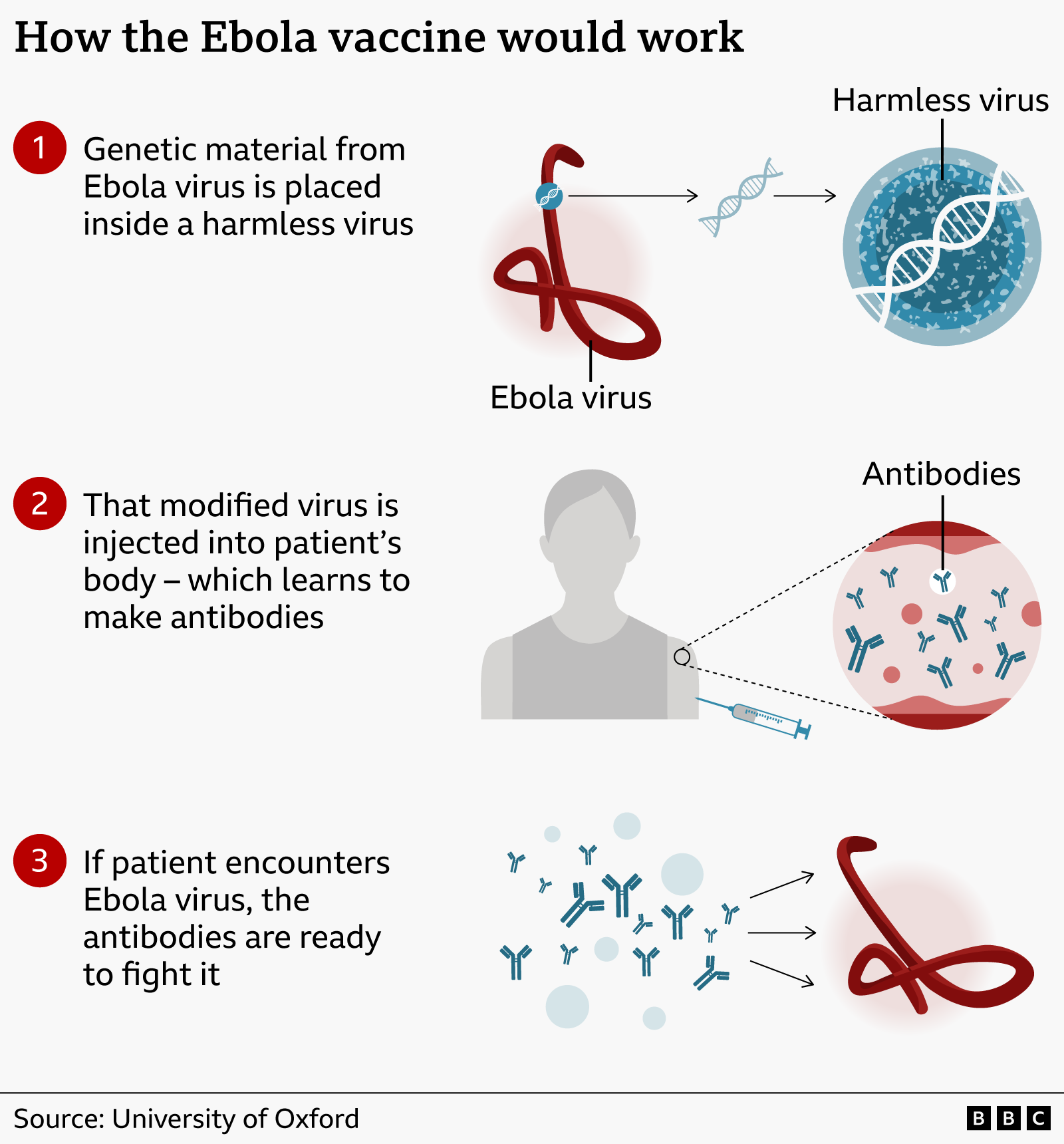
The Oxford team has leveraged technology that gained worldwide recognition during the Covid-19 pandemic. The vaccine uses a harmless chimpanzee adenovirus, which has been genetically modified to be safe for human use. This virus acts as a delivery vehicle, or “envelope,” carrying a snippet of genetic code from the Bundibugyo Ebola virus into the body.
The Delivery Mechanism
Think of it as a postal system: the modified chimpanzee virus is the envelope, and the Ebola genetic material is the letter inside. In the Covid vaccine, the letter contained instructions from the coronavirus. In this new vaccine, the letter contains instructions from the Bundibugyo Ebola species.
Once injected, the vaccine does not cause an infection. Instead, it instructs the body’s cells to produce a single Ebola viral protein. This is enough to trigger the immune system to recognize the protein as a threat and mount a defensive response. If the person later encounters the real Ebola virus, their immune system is already primed and ready to fight it off.
From Lab to Human Trials
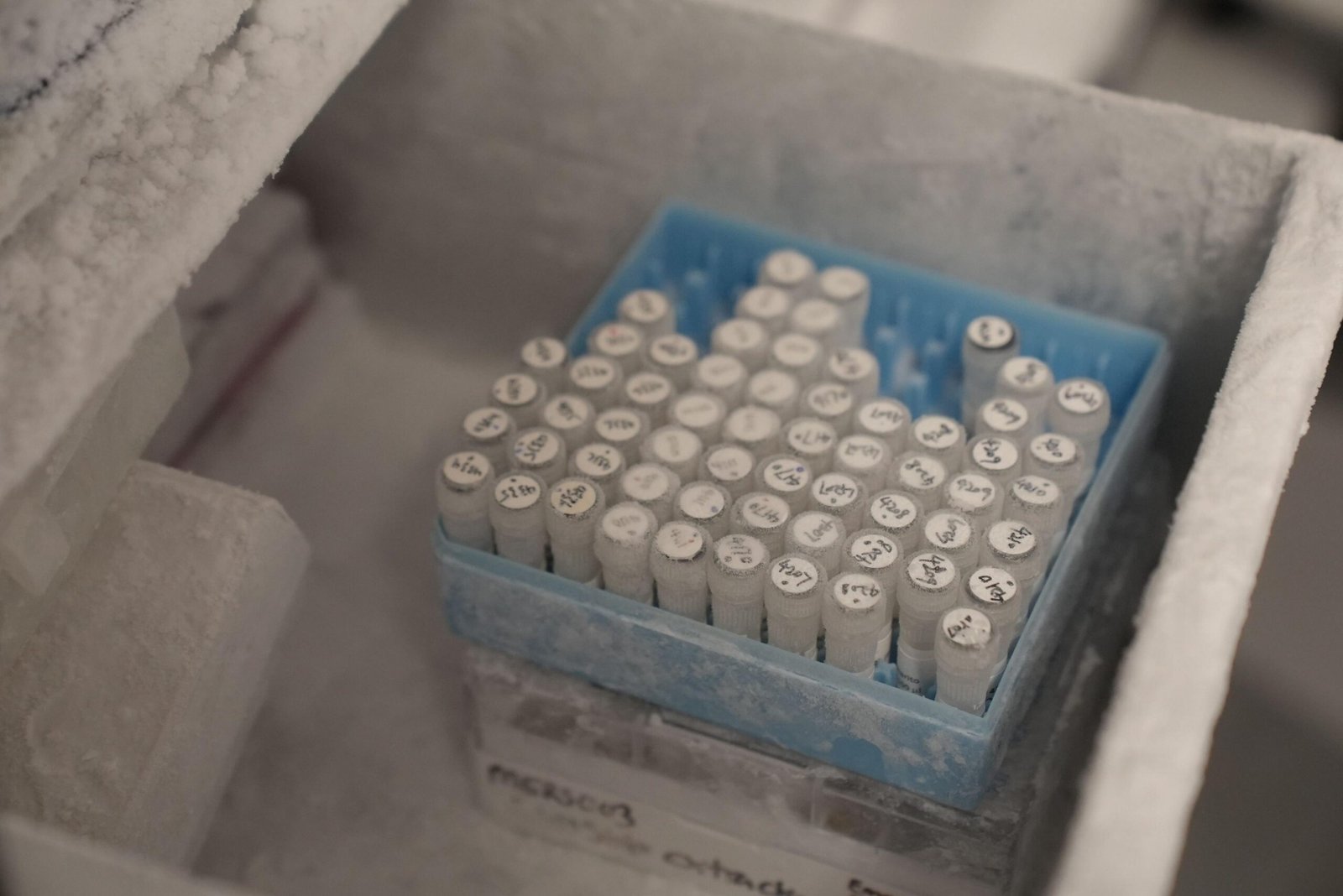
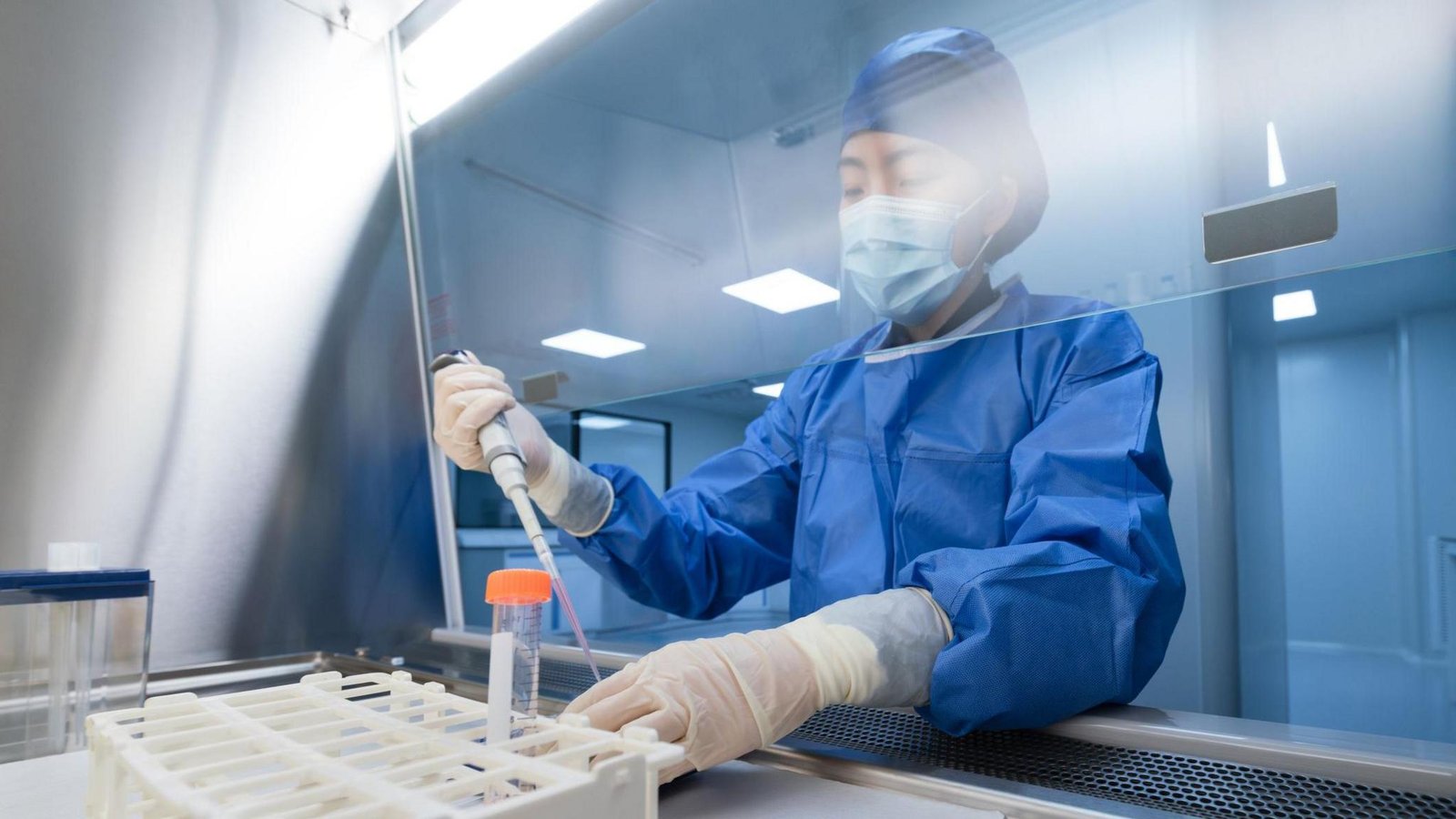
The vaccine has undergone rigorous testing in the lab, including studies on mice and macaque monkeys. These preclinical trials provided the data needed to secure regulatory approval for human testing. The vaccine is now being manufactured to clinical standards by the Serum Institute of India, which has already produced and stockpiled approximately 620,000 doses.
Dr Katrina Pollock, the chief investigator of the trial at the University of Oxford, explained the team’s readiness: “We’re doing phase one (early stage) trials of new vaccines all of the time, precisely to be ready for exactly this kind of outbreak.”
What the Trial Involves
The phase one trial will involve 50 healthy adults aged 18 to 55. The first doses are expected to be administered to volunteers in the UK within weeks. Researchers are also collaborating with partners in Uganda to prepare for trials in Africa, where the vaccine is most urgently needed.
Volunteers will be monitored for a full year, but scientists anticipate that early signs of immune response or unexpected side effects will become apparent quickly. The trial’s success will be measured by the vaccine’s ability to produce the right kind of immune response without causing harm.
Speed Without Cutting Corners
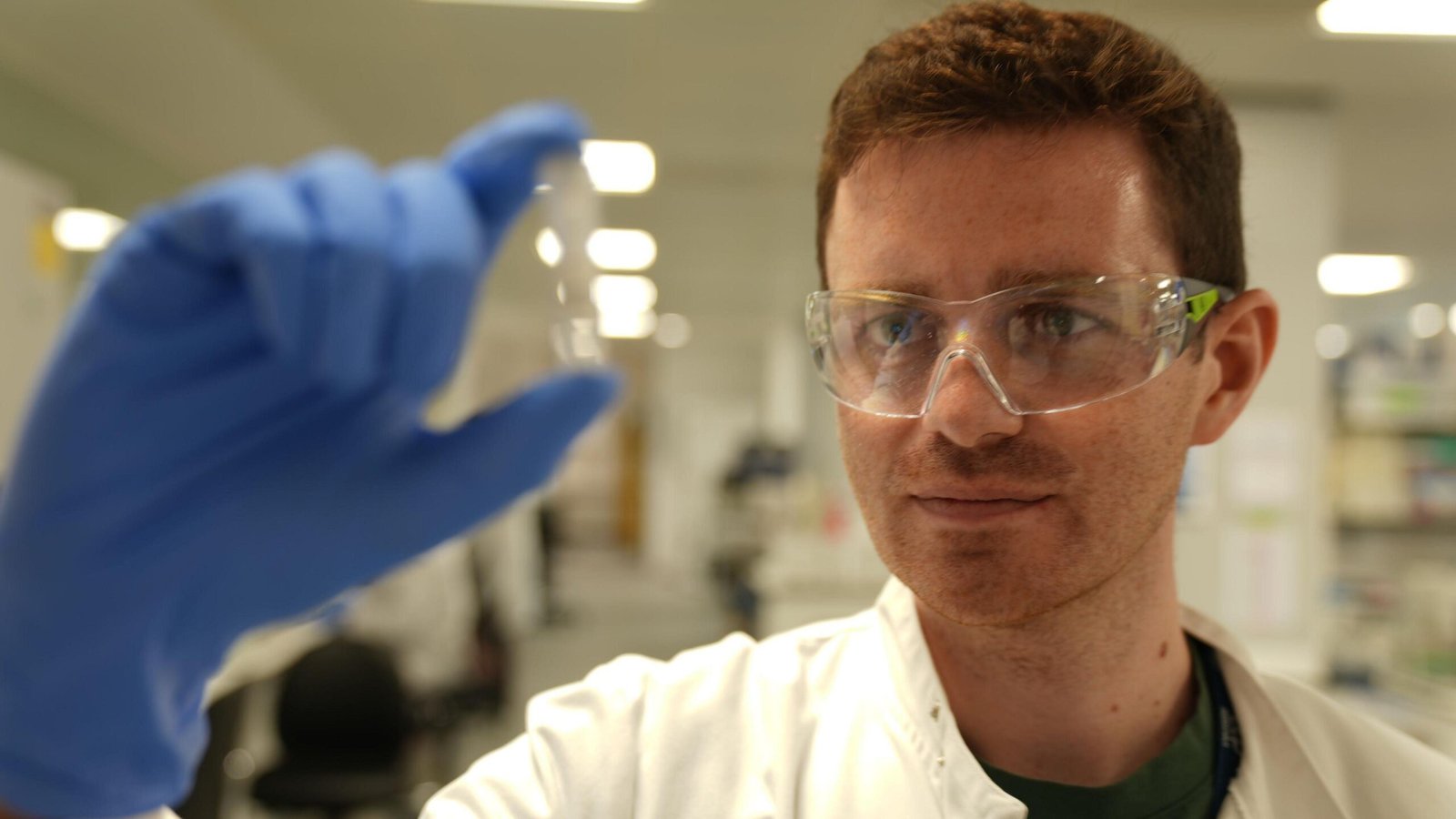
Vaccine researcher Alex Sampson emphasized that the rapid development does not compromise safety or thoroughness. “As soon as we heard there was an outbreak, we were able to scale up really, really quickly,” he said. “We’re doing all the same tests that we would normally do, just we’re able to do them in parallel, so it means a lot of teams working in lots of different places around the clock, but we’re still doing everything that we would normally.”
This parallel processing approach allows multiple stages of testing to occur simultaneously, dramatically accelerating the timeline without skipping essential steps. The result is a vaccine that has been developed, tested, and manufactured in a fraction of the usual time.
Learning from the Covid Experience
The Oxford/AstraZeneca Covid vaccine, which uses the same technology, is estimated to have saved six million lives in its first year of global use. However, it was also associated with a rare side effect of blood clots, affecting up to one in 100,000 people. It is possible that the Ebola vaccine carries a similar risk, though this is considered much lower than the threat posed by the Bundibugyo Ebola virus, which kills approximately one-third of those infected.
Dr Pollock addressed these concerns directly: “I want to stress that the Covid AstraZeneca vaccine was given to millions of people safely.” She noted that severe side effects are “very rare” and that the team has thought “very deeply” about the implications of testing on healthy volunteers. Any potential risks will be fully communicated to trial participants.
The Road Ahead
The Oxford vaccine is one of four candidates in development for the Bundibugyo species. Other efforts include a vaccine from Moderna using its mRNA technology, and two others from the International Aids Vaccine Initiative and Public Health Vaccines, based in the US. These alternatives use different approaches, including a technique proven against another Ebola species, though they are slower to manufacture.
As the outbreak continues to spread, the need for an effective vaccine has never been more urgent. The Oxford team’s rapid progress offers a glimmer of hope in a challenging landscape. With human trials now underway, the world watches closely to see if this fast-tracked vaccine can deliver the protection needed to end the epidemic.
The coming weeks will be critical as the first volunteers receive their doses and scientists begin to analyze the immune responses. If successful, this vaccine could not only help control the current outbreak but also establish a new paradigm for responding to future infectious disease emergencies.