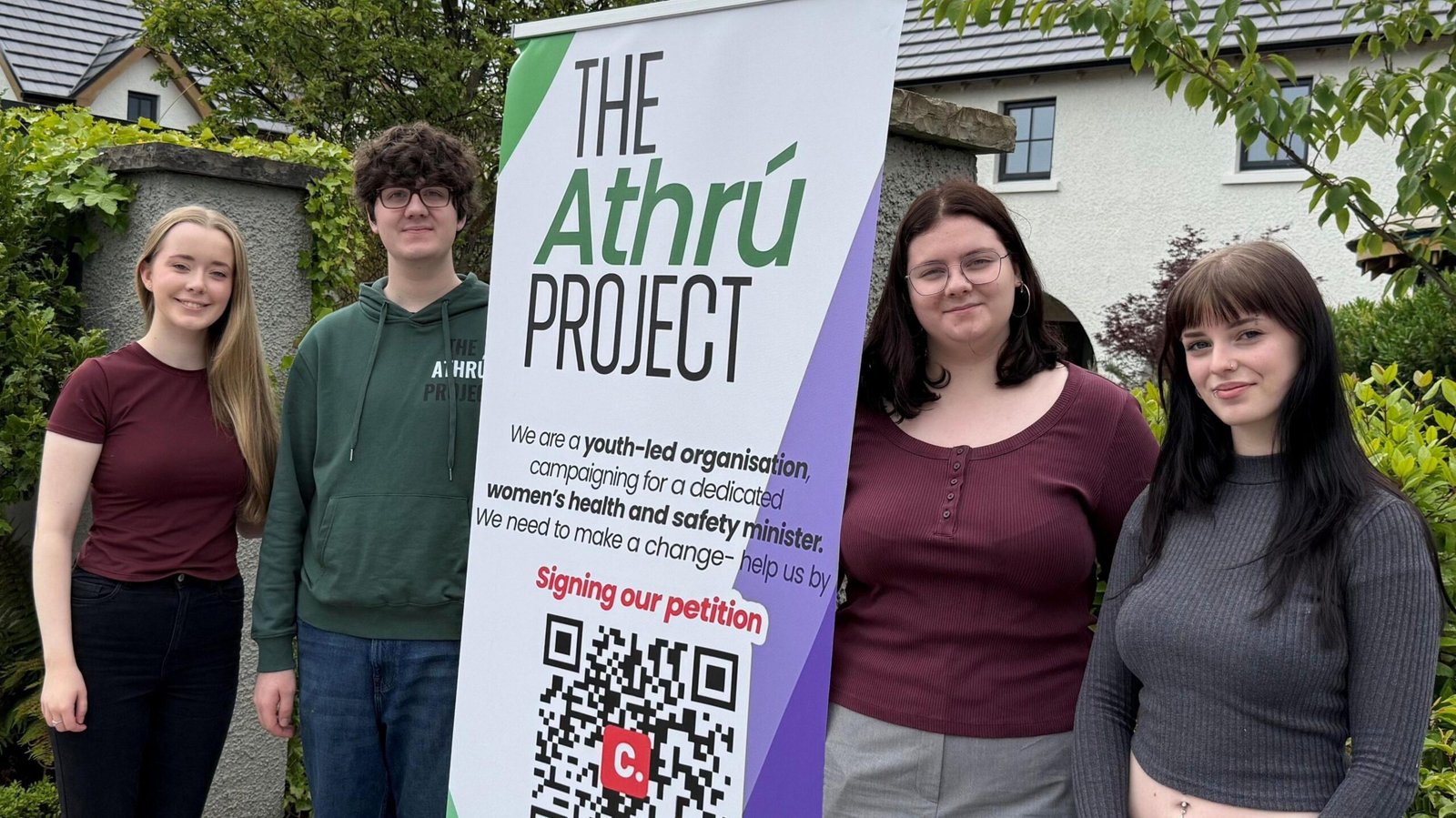
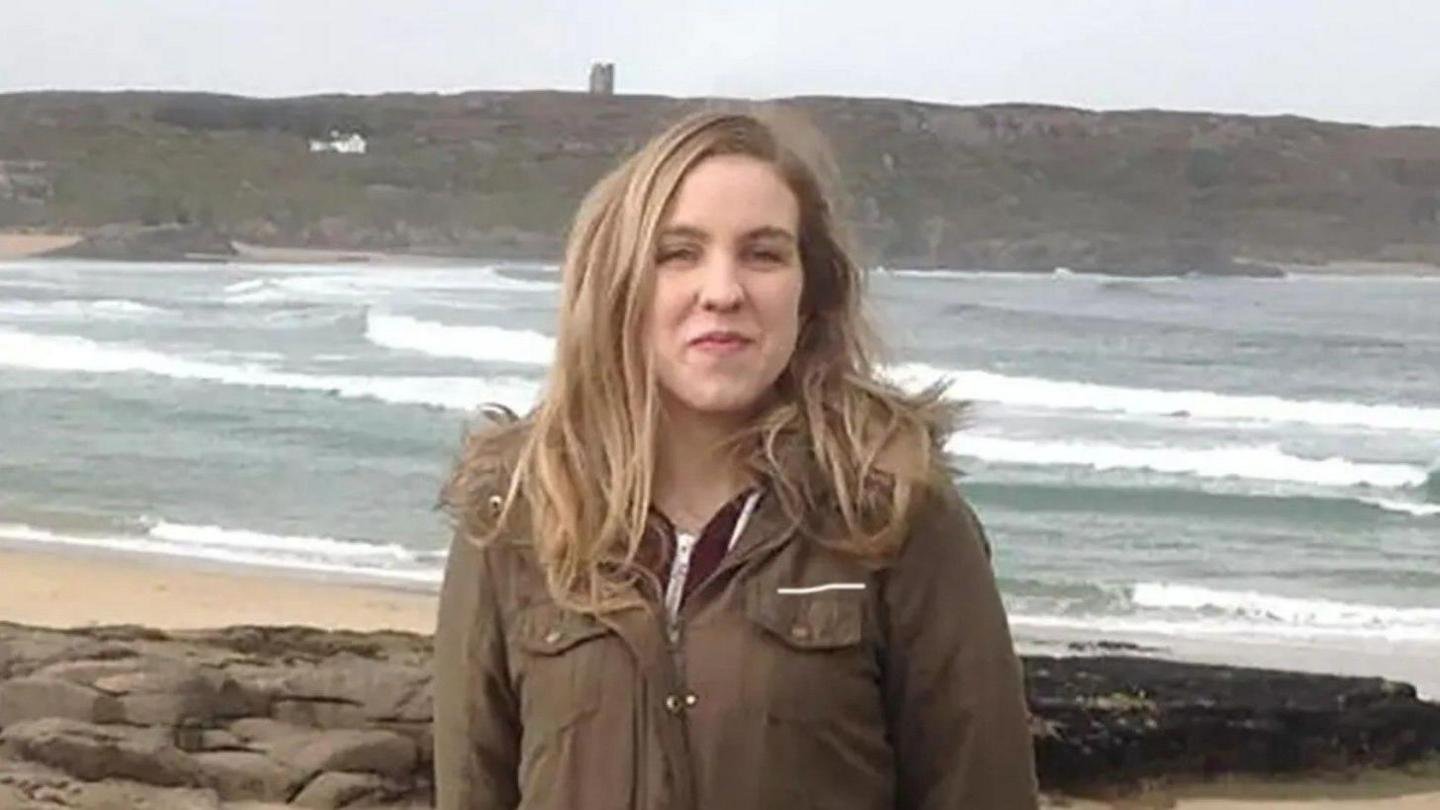
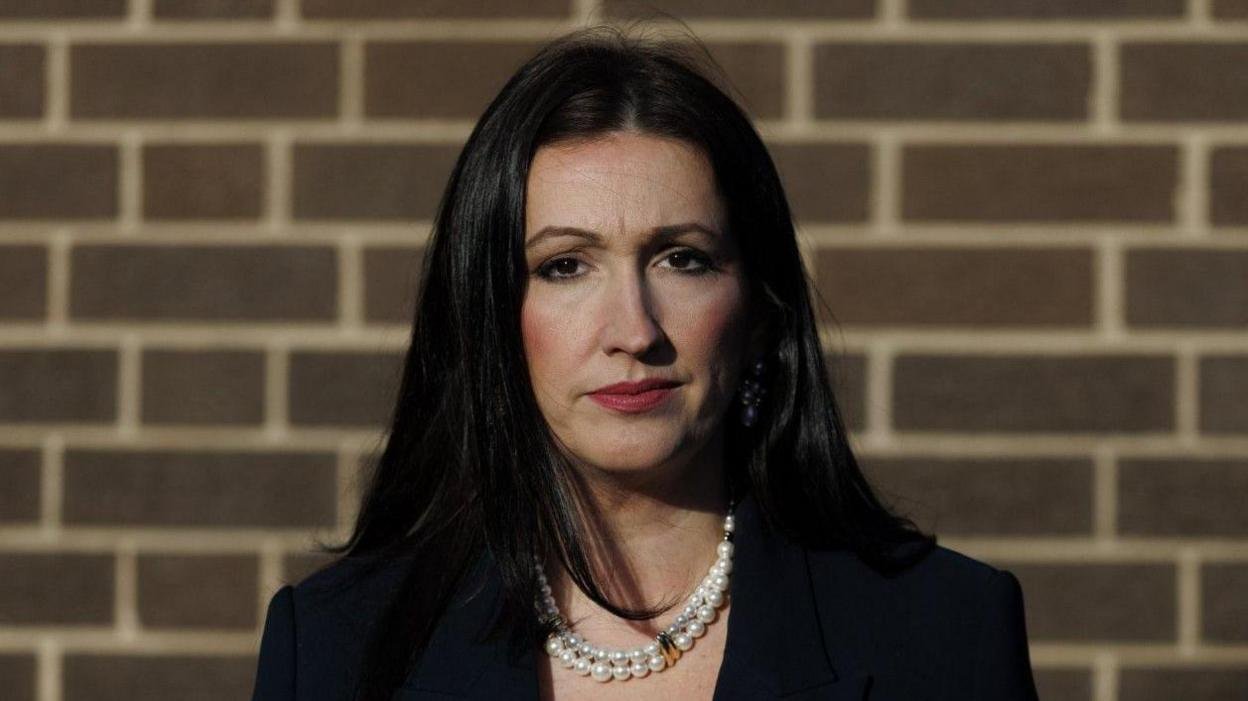
Four teenagers from Ballycastle were tired of feeling helpless. Shocked and saddened by news stories of women being attacked and killed, they decided to stop scrolling and start acting. Their campaign, The Athrú Project, is now calling on Stormont to create a dedicated minister for women’s safety and health.
Why These Teenagers Decided to Act
It all started in August 2025 when Pearse O’Neill, now 19, noticed a troubling pattern. News about violence against women and girls (VAWG) seemed to be everywhere. After a work experience placement with a charity, he realised that starting a campaign wasn’t an impossible task requiring millions in funding. It just needed determination.
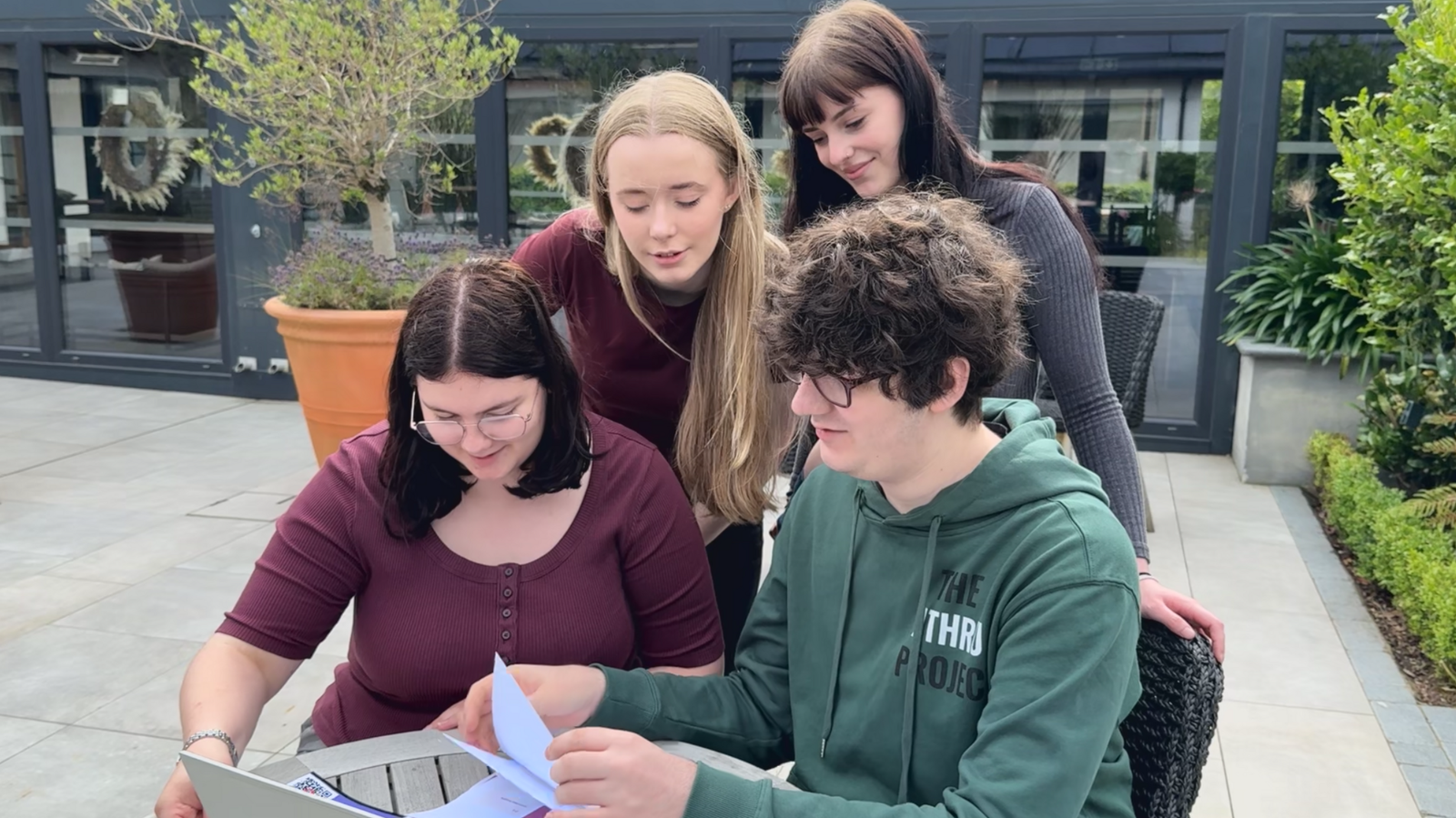
Pearse asked his friends in Ballycastle if they wanted to join him. Eimear McCloskey, Aoísha O’Neill, and Devyn McAlister all said yes. They began by drafting emails to MLAs, but quickly realised that emails alone wouldn’t be enough.
“It seemed to be getting worse,” Pearse explained. “We thought we shouldn’t wait any longer to do something about it.”
The group named their project “Athrú,” the Irish word for change. That’s exactly what they’re demanding.
The Fear of Walking Home
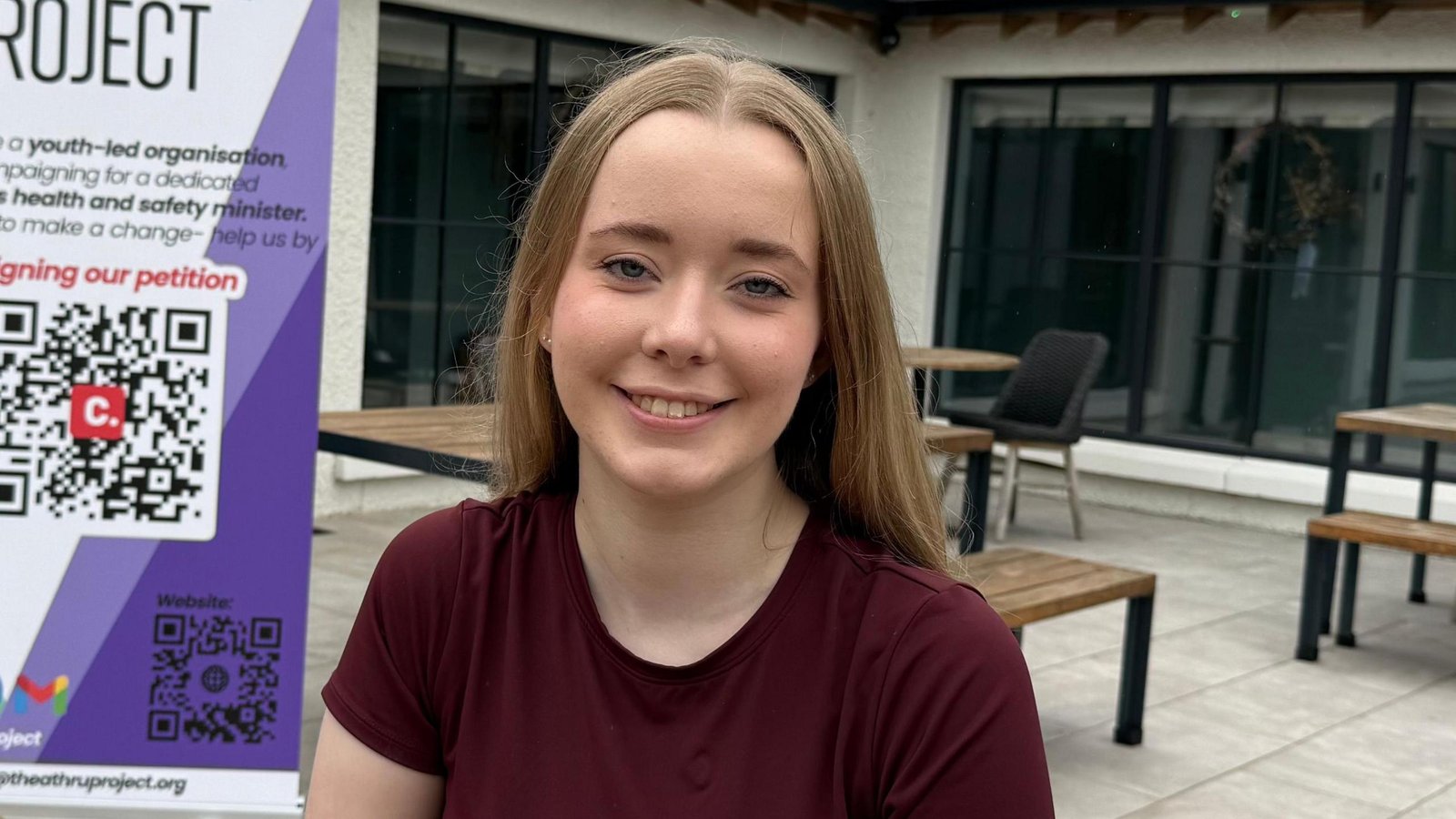
For 18-year-old Eimear, the campaign is deeply personal. She feels “disappointed and nervous” about the lack of protection for women in her community.
“If I’m walking home from work in a seaside town and rural area, there’s not a lot of CCTV coverage or proper infrastructure like lighting,” she said. “If anything was to ever happen to me, it would be a ‘he said, she said’ moment with no evidence. It’s very upsetting to know that’s the case for many women today.”
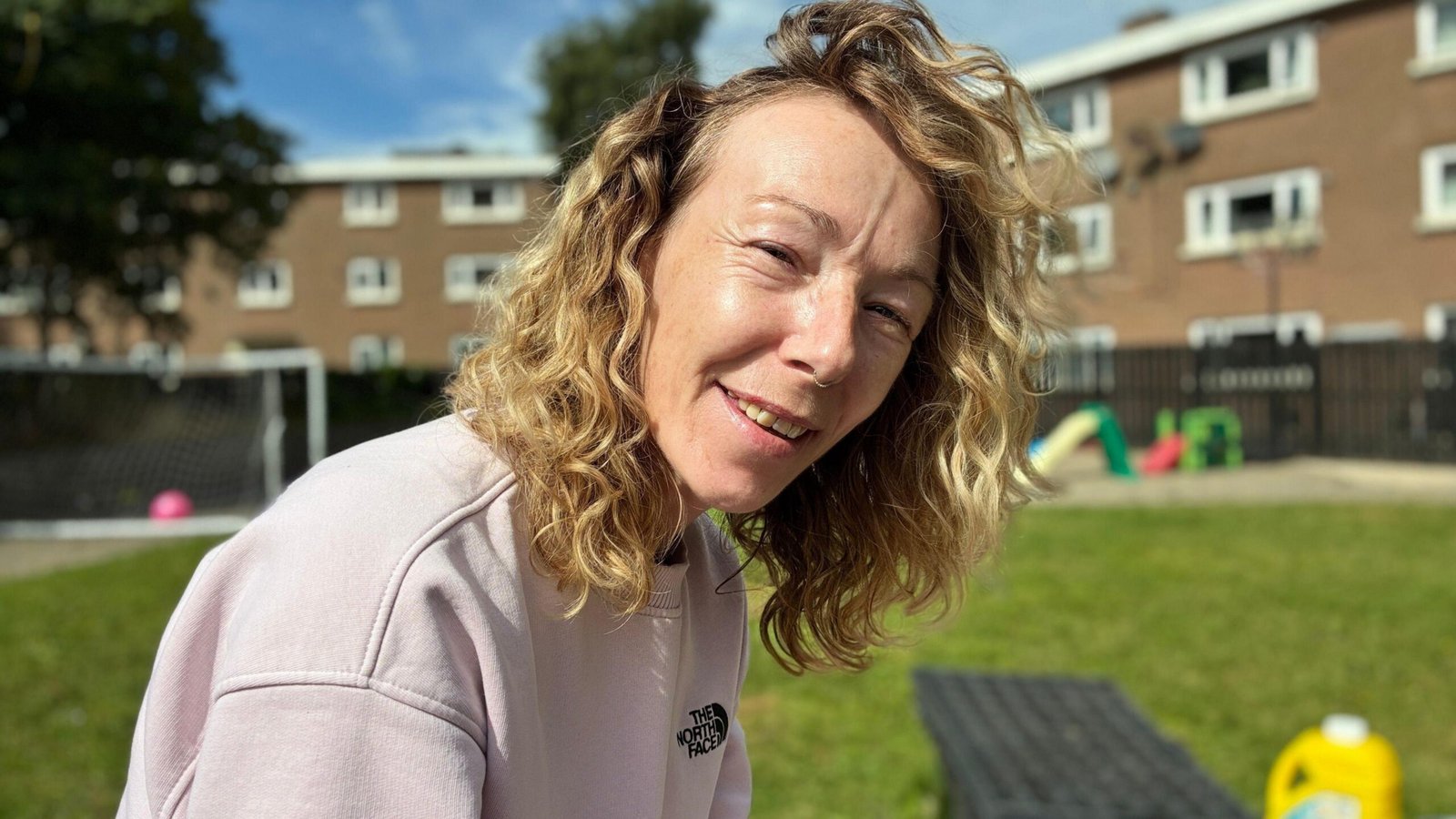
Devyn, also 18, shares that fear. “Seeing the news of women being killed, I feel scared to live in this country,” she admitted. “At night, I look over my shoulders and I have a safety alert on my bag. I shouldn’t need to take those precautions.”
What Would a Minister for Women Do?
The teenagers believe a dedicated minister at Stormont could bring together all women’s issues under one focused role. Aoísha O’Neill, 18, who is Pearse’s sister, says this would allow issues to be “tackled in a more efficient way.”
They point to similar roles elsewhere, like the Minister for Women and Equalities at Westminster, or the Deputy Minister for Social Care, Mental Health and Women’s Health in Wales.
Pearse explains: “A minister has a basic obligation to make legislation, and creating one could be a good step towards changing how women’s safety and healthcare is approached in government.”
Healthcare and Education
Aoísha believes a dedicated women’s minister could also help shrink healthcare waiting lists and improve sex and relationship education in schools. “I think currently, issues of women’s health and safety are quite low on departments’ priority lists,” she adds.
Eimear agrees: “Women’s safety and health is such a large and pressing issue that it’s so difficult to keep up with. With a minister’s resources and attention, it could be tackled effectively.”
Devyn finds it “abhorrent” that women in Northern Ireland face lengthy waits for gynaecology appointments. The Department of Health says women’s health is a “key area of focus” and work continues to improve services. They added that a Women’s Health Action Plan is being developed to encourage “positive dialogue around women’s health and wellbeing within our health and social care system and in our society.”
What Has Been Done to Tackle VAWG in NI?
Currently, responsibility for tackling VAWG, healthcare, and education is spread across Stormont’s departments for justice, health, and education. The First Minister and Deputy First Minister have both been involved in work to end violence against women and girls. The Executive Office launched its Ending Violence Against Women and Girls Strategy in 2024.
A spokesperson for the Executive Office said promoting the health and safety of women is a priority. “Addressing this long-term issue requires a coordinated, whole Executive approach, with all ministers working collectively.”
The Justice and Health Ministers have also launched a Domestic and Sexual Abuse Strategy for Northern Ireland. In March 2026, Justice Minister Naomi Long launched a Victims and Witnesses of Crime Strategy. The PSNI also introduced an action plan in 2022 aimed at reducing violence against women and girls.
‘Everyone Knows Someone Affected by This’
The Athrú Project has gone beyond just talking. They launched an online survey to gather more views on their plan and hosted a panel event with politicians, campaigners, and other young people. They’ve also published a detailed plan outlining exactly what a women’s safety and health minister would do.
“It’s been really positive so far,” Pearse says. “There hasn’t been any negative responses from politicians, so we’re looking to expand our support from anyone who will listen.”
Political Support
SDLP assembly member Cara Hunter believes the idea is “worth exploring further.” Speaking to the BBC’s Good Morning Ulster programme, she said the logistics and cost should be examined. “Ministerial positions come with all the trimmings, and we need to have value for public money.”
For Pearse, it’s crucial that everyone gets involved. “People should feel obligated to speak out regardless of who they are. Everyone knows someone affected by this. It’s quite simple.”
The teenagers hope their campaign will spark real change, making Northern Ireland safer and healthier for women and girls. With their determination and growing support, they might just succeed.